HealthSurgeon - Healthy Living and Fitness - Purium Coupon
Primary Navigation Menu
Health Benefits of Flax Seed Oil (Linseed Oil)
Flaxseed Oil: A Plant-Based Omega-3 Powerhouse
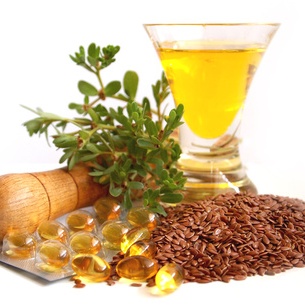
Flaxseed oil, also known as linseed oil, is extracted from the seeds of Linum usitatissimum — the flax plant that has nourished humans for thousands of years. While flaxseeds themselves are nutritious, the concentrated oil offers one of the richest plant-based sources of omega-3 fatty acids and lignans, powerful antioxidants with hormone-modulating properties.
If you’re looking for a plant-based way to boost heart health, reduce inflammation, and support overall wellness, flaxseed oil deserves your attention. Here’s what the science says about this golden-hued nutritional gem.
The Richest Plant Source of Omega-3 ALA
Flaxseed oil stands out as the most concentrated plant-based source of alpha-linolenic acid (ALA), an essential omega-3 fatty acid your body cannot produce on its own. In fact, flaxseed oil contains about 50-60% ALA by weight — more than any other common plant oil.
You may have heard the claim that flaxseed oil contains “50% more omega-3 than fish oil.” While technically true in total omega-3 content, it’s important to understand the distinction: fish oil contains EPA and DHA (long-chain omega-3s that are directly bioavailable), while flaxseed oil contains ALA (a short-chain omega-3). Your body converts some ALA to EPA and DHA, but the conversion rate is limited to about 5-10%.
That said, ALA itself provides significant cardiovascular and anti-inflammatory benefits. For vegetarians, vegans, or anyone seeking plant-based omega-3 sources, flaxseed oil is unmatched.
Heart Health and Cholesterol Support
Your heart will thank you for adding flaxseed oil to your routine. Multiple studies have demonstrated that flaxseed oil can help lower LDL (“bad”) cholesterol and reduce blood pressure — two critical risk factors for cardiovascular disease.
According to research published in Frontiers in Nutrition, flaxseed supplementation led to significant improvements in LDL cholesterol ratios. The Cleveland Clinic confirms that flaxseed oil supports heart health as an ideal omega-3 source for those who don’t consume fish.
The omega-3 fatty acids in flaxseed oil help reduce inflammation in blood vessels, improve arterial flexibility, and support healthy circulation. Combined with other heart-protective foods like garlic, flaxseed oil becomes part of a powerful cardiovascular wellness strategy.
Lignans: A Unique Antioxidant Advantage
Flaxseed is the richest dietary source of lignans — containing up to 800 times more than other plant foods. Lignans are polyphenol compounds with potent antioxidant and anti-inflammatory properties. They also act as phytoestrogens, meaning they can gently modulate hormone activity in the body.
Research has linked flaxseed consumption to reduced breast cancer risk. A 2013 Canadian study found that women who consumed flaxseed regularly showed a lower incidence of breast cancer. Meta-analyses continue to reveal promising anti-inflammatory and hormone-balancing effects, making flaxseed oil particularly valuable for women’s health.
Beauty Benefits: Skin, Hair, and Beyond
Flaxseed oil isn’t just an internal health booster — it’s also widely used for skin and hair health. The omega-3 fatty acids support healthy cell membranes and reduce the inflammation that contributes to conditions like eczema, psoriasis, dandruff, and dry skin.
Many people report improvements in hair thickness and shine when taking flaxseed oil regularly. Whether used topically or consumed orally, the anti-inflammatory and moisturizing properties make flaxseed oil a natural beauty ally.
Additional Health Benefits
Beyond the major benefits above, research suggests flaxseed oil may also support:
Blood sugar regulation: May help improve insulin sensitivity
PMS symptom relief: Hormone-balancing lignans may ease menstrual discomfort
Brain health: Omega-3s support cognitive function and mood
Weight management: Healthy fats promote satiety and metabolic health
How to Use Flaxseed Oil
For best results, take 1 to 2 tablespoons (15-30ml) of flaxseed oil daily. You can take it straight from the spoon, blend it into smoothies, drizzle it over salads, or mix it into yogurt or oatmeal.
Important: Never cook with flaxseed oil. It has a low smoke point and oxidizes easily when heated, which destroys its beneficial compounds and creates harmful free radicals. Always use it cold.
Store flaxseed oil in the refrigerator in a dark bottle to prevent oxidation. Most flaxseed oils have a shelf life of about 6-8 weeks after opening.
A Versatile Wellness Essential
Flaxseed oil is a nutrient-dense, plant-based supplement that supports heart health, reduces inflammation, balances hormones, and enhances beauty from the inside out. Whether you’re following a plant-based diet or simply looking to diversify your omega-3 sources, flaxseed oil offers unique benefits that few other foods can match.
Just remember: keep it cold, take it daily, and pair it with other whole foods like nutrient-dense proteins for maximum benefit. Your heart, skin, and entire body will thank you.
This website uses cookies to improve your experience. We'll assume you're ok with this, but you can opt-out if you wish.AcceptRejectRead More
Privacy & Cookies Policy
Privacy Overview
This website uses cookies to improve your experience while you navigate through the website. Out of these cookies, the cookies that are categorized as necessary are stored on your browser as they are essential for the working of basic functionalities of the website. We also use third-party cookies that help us analyze and understand how you use this website. These cookies will be stored in your browser only with your consent. You also have the option to opt-out of these cookies. But opting out of some of these cookies may have an effect on your browsing experience.