Here’s a number that should make you sit up: about 47% of American adults live with some form of periodontal disease. The CDC calls it gum disease. Your body calls it a slow, silent inflammation that’s quietly working on more than your teeth.
Most people treat gum health as a cosmetic problem — a bad breath fix, a dentistry issue. But the research tells a different story. Periodontal disease is a chronic inflammatory condition, and chronic inflammation is the same machinery that drives heart disease, worsens diabetes, and ages you faster. What you put on your plate feeds that fire — or helps you put it out.
Gingivitis vs. Periodontitis: Know the Difference
Early-stage gum disease — gingivitis — is when your gums get red, swollen, and bleed easily. It’s uncomfortable, but the tooth is still anchored solidly. That’s the good news.
Periodontitis is the second stage, and it’s where things get serious. The bacteria trigger a deeper inflammatory response. Your gums start detaching from the teeth. The bone that holds them in place starts resorbing. By the time you notice the tooth feeling loose, the damage is already structural, not just surface-level.
Both stages are driven by bacteria — but they’re amplified by the inflammation your body is running in the background. Which brings us to the part you can actually control.
The Six Foods That Act Like Anti-Plaque Defense
Before I get into the list, a quick note: no food replaces a proper dental cleaning. But the emerging evidence on nutrition and periodontal outcomes is striking — and it points to a pattern. The same anti-inflammatory foods that protect your heart protect your gums. Here’s what the research supports.
1. Blueberries
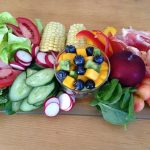
Blueberries are loaded with polyphenols, and these compounds have been shown to inhibit the bacteria that form dental plaque. There are studies on berry extracts being used in toothpaste and mouthwash formulations specifically because of this effect. Eating them fresh isn’t a substitute for brushing, but the compounding benefit of daily intake is real.
2. Green Tea
The catechins in green tea — especially EGCG — reduce inflammation in the gingival tissue and have been linked to less gingival bleeding. They also appear to slow the bone loss associated with advanced periodontitis. If you drink coffee, swapping one cup a day for green tea is an easy upgrade.
3. Broccoli, Cauliflower, and Other Cruciferous Vegetables
These vegetables are a good source of CoQ10, a compound your gums use heavily during the inflammatory response. Low CoQ10 is associated with more gingival inflammation. Spinach and mackerel also carry it. Think of it as fuel for the tissue that’s fighting.
4. Salmon (and Other Fatty Fish)
Omega-3 fatty acids are one of the most well-studied anti-inflammatory nutrients in all of nutrition. In the context of periodontal disease specifically, they help reduce the inflammatory signaling in gum tissue. Aim for two servings of fatty fish a week. If you don’t eat fish, our roundup of natural supplements for everyday health covers options that work.
5. Cacao (70% Dark Chocolate or Higher)
This one surprises people. Cacao is rich in catechins — the same compounds in green tea — and research has shown they can inhibit cavity-causing bacteria as effectively as fluoride in some lab settings. Cacao bean husk compounds have also been shown to help harden enamel. Two or three squares of quality dark chocolate isn’t a cheat. It’s a small dental win.
6. Probiotic Foods
Your oral microbiome and your gut microbiome are more connected than most people realize. Lactobacillus acidophilus and other probiotic strains have been shown to help crowd out harmful oral pathogens. Yogurt, sauerkraut, and kefir are the easiest daily sources. If you’re curious about the deeper connection, our guide to probiotics and gut health goes into the science.
The Bigger Picture: Your Diet Is Setting the Inflammatory Baseline
A diet high in refined sugar and saturated fat doesn’t just raise your blood sugar. It raises your systemic inflammatory load, and your gums are one of the places that shows it. A Mediterranean or DASH-style eating pattern — vegetables, fish, whole grains, minimal processed food — has been consistently associated with lower rates of periodontal disease in population studies.
There are also two micronutrients worth checking: Vitamin C (deficiency causes gingival bleeding and impairs wound healing in gum tissue) and Vitamin D (which supports the bone around your teeth). If your gums bleed easily, a simple blood test for both is worth it. For a deeper look at vitamin D’s role in disease prevention, we’ve written about it in detail.
Make It a System, Not a Diet
You don’t need to overhaul your entire plate in one weekend. Pick two of the foods above. Add blueberries to your breakfast. Swap your second coffee for green tea. Eat a serving of broccoli or cauliflower a few times a week. That’s the pattern.
For those who want a bit of extra support, managing chronic inflammation is key to overall wellness, and there are supplements that can complement a good diet. Other foods that fight inflammation — like coconut oil — also play a role.
Gum disease is preventable. The inflammation that drives it is modifiable. The food you choose this week is part of that equation, whether or not you’ve noticed your gums until now.
[asd_free_examples]