HealthSurgeon - Healthy Living and Fitness - Purium Coupon
Primary Navigation Menu
Is Your Liver Overworked? Understanding the Real Signs and What Actually Helps
Is Your Liver Overworked? Understanding the Real Signs and What Actually Helps
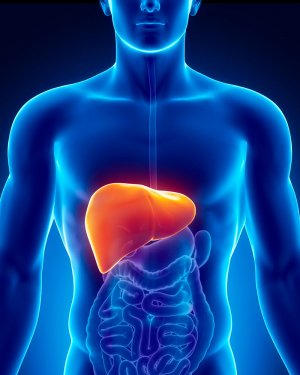
Here’s the thing about your liver — it’s the busiest organ in your body, and it rarely complains. By the time you notice something’s off, it’s often been dealing with extra load for months or even years. The phrase “my liver is working too hard” isn’t medical jargon, but it points to something real: liver stress, the result of years of processing toxins, medications, alcohol, and poor nutrition.
Understanding what your liver does and what happens when it’s overwhelmed can save you from some serious health problems down the road.
What Your Liver Actually Does
Your liver isn’t just a filter. It’s a chemical processing plant running 24/7. It produces bile for digestion, manages cholesterol and hormones, processes medications and alcohol, stores glycogen for energy, and handles vitamin and mineral storage. Think of it as the body’s central refinery — everything you eat, drink, or take as a supplement passes through it.
The liver also produces its own antioxidants, including glutathione, which is your body’s master detoxifier. When that system gets backed up, problems start appearing.
Early Warning Signs You Shouldn’t Ignore
Fatigue that doesn’t improve with sleep is the most common sign. Your liver manages energy storage and metabolism, so when it’s struggling, you’ll feel it — often before any other symptom shows up.
Digestive issues matter too. Bloating after meals, nausea, or changes in appetite can signal liver stress. The liver makes bile, which is essential for breaking down fats. When bile production drops or bile flow gets restricted, your digestion takes a hit.
Skin changes are another red flag. Itching without a rash, yellowing of the eyes or skin (jaundice), or unexplained dark spots can indicate the liver isn’t processing waste properly. Weight changes — particularly gaining around the midsection — may point to fatty liver, which affects about 25% of adults worldwide.
If you’re getting sick more often, that could be liver-related too. The liver helps regulate your immune system. When it’s overworked, your body’s defense system weakens, making you more susceptible to infections.
What Actually Supports Liver Health
Let’s talk about evidence-based approaches. Green tea contains epigallocatechin gallate (EGCG), a compound shown in clinical studies to reduce liver fat accumulation and inflammation. Regular consumption appears to protect against fatty liver disease.
Turmeric’s active compound, curcumin, has demonstrated anti-inflammatory effects on liver tissue in research. The key is using it with black pepper to boost absorption by up to 2000%.
Cruciferous vegetables like kale support liver enzyme production that helps the body eliminate toxins. [asd_more_greens] adds alkalizing minerals and chlorophyll to your diet, which can complement the natural detoxification your liver already does.
Beets contain betalains — antioxidant compounds that support the liver’s Phase 2 detoxification process. Avocados provide glutathione precursors, helping your liver produce its own master antioxidant.
[asd_cracked_cell_chlorella] — chlorella is a green algae that binds to heavy metals and environmental toxins, helping your body eliminate them through normal waste pathways. This takes some pressure off your liver’s detox systems.
The Truth About “Detox”
Your liver already detoxes you. It’s literally its main job. The supplement industry has turned this into a marketing category, selling expensive “detox” regimens when your liver just needs the right nutrients to do what it already does.
What helps? Reduce alcohol, limit acetaminophen, eat more cruciferous vegetables, maintain a healthy weight, and consider supplements that support your liver’s natural pathways — not replace them.
When to See a Doctor
Get blood work if you’ve noticed persistent fatigue, yellowing of the skin or eyes, or swelling in your legs and abdomen. Elevated liver enzymes are often caught on routine blood tests before symptoms become severe. [asd_free_examples]
This website uses cookies to improve your experience. We'll assume you're ok with this, but you can opt-out if you wish.AcceptRejectRead More
Privacy & Cookies Policy
Privacy Overview
This website uses cookies to improve your experience while you navigate through the website. Out of these cookies, the cookies that are categorized as necessary are stored on your browser as they are essential for the working of basic functionalities of the website. We also use third-party cookies that help us analyze and understand how you use this website. These cookies will be stored in your browser only with your consent. You also have the option to opt-out of these cookies. But opting out of some of these cookies may have an effect on your browsing experience.