HealthSurgeon - Healthy Living and Fitness - Purium Coupon
Primary Navigation Menu
Macrobiotic Diet Plan Tips Perfect for Weight Loss
Macrobiotic Diet Plan Tips Perfect for Weight Loss
The macrobiotic diet has been around since the 1920s, when a Japanese philosopher named George Ohsawa first introduced it. It caught a wave of popularity in the late 1960s among people looking for alternatives to standard Western eating. And while the hype has died down, the core principles — particularly the emphasis on whole grains and plant-based foods — have solid evidence behind them.
So what exactly is the macrobiotic diet, and can it actually help you lose weight? Let’s break it down.
What Is the Macrobiotic Diet?
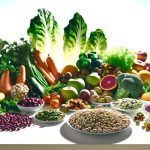
At its core, the macrobiotic diet is a plant-forward eating pattern built around whole grains. Here’s what a typical macrobiotic plate looks like:
Whole grains (50-60%): Brown rice, barley, oats, quinoa, and millet form the foundation of every meal.
Vegetables (20-25%): Mostly locally grown, seasonal produce, with emphasis on root vegetables and leafy greens.
Beans and legumes (5-10%): Lentils, chickpeas, and edamame provide plant-based protein.
Minimal animal products: Small amounts of fish or seafood occasionally, but little to no meat, dairy, or eggs.
The philosophy goes beyond nutrition — it incorporates traditional Eastern medicine concepts about balance and energy. But even if you set aside the spiritual aspects, the food choices have tangible health benefits.
The Weight Loss Mechanism
Here’s why the macrobiotic diet can be effective for weight loss: it naturally creates a calorie deficit without counting anything.
Whole grains and vegetables are high in fiber, which means they keep you full for longer on fewer calories. Eliminating processed foods, refined sugars, and dairy removes empty calories that are easy to overconsume. The diet’s emphasis on eating slowly and mindfully — part of the original macrobiotic practice — also helps you recognize satiety signals before you’ve overdone it.
You don’t need to eat perfectly macrobiotic to benefit from these principles. Even incorporating more whole grains and vegetables into your existing diet can create lasting changes. If you’re curious about other approaches, these 5 healthy eating diet tips offer complementary strategies for sustainable weight loss.
Nutritional Benefits Backed by Science
The macrobiotic diet’s strength lies in its whole-grain focus, and the research on whole grains is solid. According to Harvard Health, replacing refined grains with whole grains is linked to reduced risks of heart disease, type 2 diabetes, and certain cancers. The NIH’s Office of Dietary Supplements confirms that whole grains are rich in fiber, B vitamins, and essential minerals like magnesium and selenium.
These nutrients matter for weight management too. Fiber supports gut health, which influences metabolism and appetite regulation. B vitamins help convert food into energy efficiently. And magnesium supports blood sugar balance — important for reducing cravings and energy crashes.
Potential Nutritional Gaps
Now, the macrobiotic diet isn’t without limitations. Its restriction of dairy, meat, and many fruits can lead to nutritional deficiencies over time. The most common concerns include:
Vitamin B12: Found almost exclusively in animal products. Supplementation is essential for long-term followers.
Calcium: Without dairy, you need to be strategic about getting adequate calcium from fortified plant milks, leafy greens, and supplements.
Iron: Plant-based iron (non-heme) is less readily absorbed than iron from meat. Pair iron-rich foods with vitamin C to improve absorption.
Omega-3 fatty acids: The diet’s limited fish intake may not provide enough EPA and DHA for optimal brain and heart health.
If you’re considering a long-term macrobiotic approach, consider adding a supplement like
to support your nutritional gaps — mushrooms offer B vitamins and antioxidants that can fill some of the diet’s blind spots.
What Does the Research Actually Say?
The evidence on macrobiotic diets specifically is mixed. Plant-based diets as a category consistently show weight loss benefits and health improvements. But macrobiotic-specific studies are limited, and many of them are small or lack control groups.
What we can say with confidence: the diet’s emphasis on whole, unprocessed foods creates an environment where weight loss happens naturally. It’s not the “macrobiotic” label that matters — it’s the whole grains, vegetables, and elimination of processed food that does the heavy lifting.
The macrobiotic diet can absolutely support weight loss, particularly because it centers on whole grains and eliminates processed food. However, it’s not the only path — and it comes with nutritional considerations you should address proactively. The key takeaway: focus on the evidence-based core (whole grains, plants, minimal processing) rather than treating it as a rigid prescription.
If you want to explore other diet plans that might fit your lifestyle better, check out alternative diet plans for weight loss that offer different approaches to healthy eating.
This website uses cookies to improve your experience. We'll assume you're ok with this, but you can opt-out if you wish.AcceptRejectRead More
Privacy & Cookies Policy
Privacy Overview
This website uses cookies to improve your experience while you navigate through the website. Out of these cookies, the cookies that are categorized as necessary are stored on your browser as they are essential for the working of basic functionalities of the website. We also use third-party cookies that help us analyze and understand how you use this website. These cookies will be stored in your browser only with your consent. You also have the option to opt-out of these cookies. But opting out of some of these cookies may have an effect on your browsing experience.