Can You Really Lose 10 Pounds in Two Weeks?
Let’s be honest — the internet is full of weight loss promises that sound too good to be true. “Drop 10 pounds in two weeks!” Sounds great, right? Here’s the problem: those claims don’t hold up to actual medical evidence, and chasing them often leads to frustration, muscle loss, and regaining the weight plus more.
So let’s cut through the noise. What actually works for sustainable weight loss? Evidence from the National Institutes of Health and peer-reviewed studies gives us a much clearer picture than any clickbait headline ever could.
What the Evidence Actually Says About Weight Loss
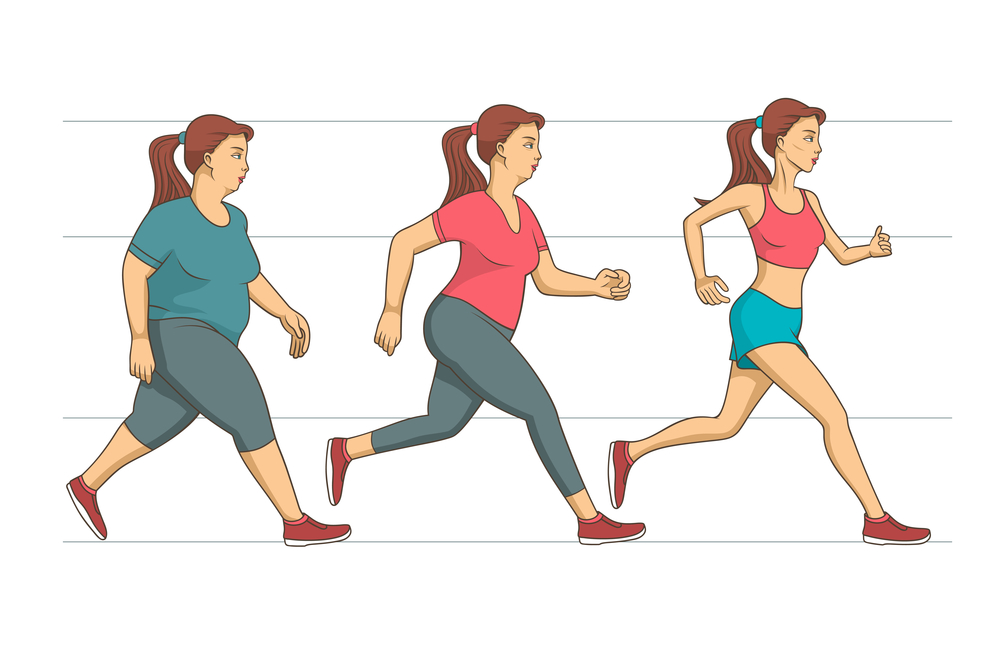
The NIH’s National Heart, Lung, and Blood Institute recommends a realistic target: about 10% of your body weight over six months, or roughly 1-2 pounds per week. That’s not flashy, but it’s what actually sticks.
A review in PMC8017325 found that the most effective approaches combine a modest calorie deficit (500-750 calories per day) with dietary quality improvements. It’s not about starving — it’s about making better choices and sticking with them.
The Mediterranean diet consistently ranks among the most effective long-term approaches, focusing on whole foods, healthy fats, lean proteins, and plenty of vegetables. It’s not a short-term fix, but it produces lasting results without leaving you miserable.
Hydration: More Than Just a Buzzword
Yes, water matters for weight loss — but not in the way some viral posts claim. The idea that you need 5 liters a day is way overblown. A more reasonable target is 2-3 liters daily, depending on your activity level and climate.
What helps is replacing sugary drinks with water, drinking a glass before meals (which can help you eat less naturally), and staying consistent throughout the day. Simple, effective, and free. You can read more about proper hydration for weight loss and the real role water plays.
Smart Swaps That Actually Move the Needle
Stevia, as a zero-calorie sweetener, can help reduce sugar calories when you swap it for regular sugar in coffee or tea. But it’s not a magic wand — the overall pattern of your diet matters far more than any single ingredient.
Higher protein intake supports satiety and helps preserve muscle during weight loss. These super foods that support healthy weight loss can make your meals more filling without adding excess calories. Focus on lean proteins, vegetables, and fiber-rich foods to feel satisfied while eating less.
Exercise: The Missing Piece Most People Skip
Here’s something weight loss gurus don’t tell you: you can’t out-diet a bad diet, and you can’t out-exercise starvation either. The sweet spot is a combination of both, with movement as the glue that keeps results coming.
The NHLBI recommends 150 minutes per week of moderate activity — that’s about 30 minutes, five days a week. If walking isn’t your thing, find something you tolerate doing consistently. Walking has surprising benefits that extend far beyond the scale, including improved circulation and better sleep quality.
And if you’re looking for ways to boost energy naturally during a weight loss journey, the answer is usually better sleep, consistent protein intake, and steady — not extreme — calorie reduction.
The Bottom Line
Forget the two-week miracles. A sustainable approach means eating more nutrient-dense foods, moving your body regularly, staying hydrated, and giving yourself grace when life gets in the way. You’ll lose weight more slowly, but you’ll keep it off — and that’s the real win.
[asd_free_examples]