Elderberry: Nature’s Immune Support Powerhouse — What You Actually Need to Know
If you’ve walked through any health food store this winter, you’ve noticed elderberry everywhere — syrups, gummies, tinctures, capsules. The purple little berry has gone from humble tradition to wellness megatrend, and for good reason. But what does the actual science say?
Let’s cut through the hype and look at what elderberry (Sambucus nigra) really brings to your health, how to use it effectively, and what’s worth your money.
The Nutritional Profile That Makes Elderberry Stand Out
Elderberries are nutritional heavyweights. Just 100 grams delivers about 60% of your daily vitamin C, along with significant amounts of vitamin A, fiber (a healthy 7g), potassium, and iron. But the real story is in the antioxidants.
Elderberries have an ORAC (Oxygen Radical Absorbance Capacity) score of 10,775 — that’s almost double blueberries at 5,562. ORAC measures how well a food neutralizes free radicals, and elderberry leads the pack. These antioxidants aren’t just theoretical — they’re the active compounds responsible for most of elderberry’s health benefits.
If you’re interested in other antioxidant-rich options, green juice recipes packed with antioxidants can complement elderberry in your daily routine.
Immune Support: Where the Real Evidence Lives
This is elderberry’s claim to fame, and the research actually backs it up. The anthocyanins in elderberry — those deep purple pigments — stimulate the immune system by increasing the production of cytokines, the signaling proteins that coordinate your immune response.
A notable 2019 study published in PubMed found that elderberry supplementation significantly reduced upper respiratory symptoms compared to placebo (PubMed Study 30670267). Another body of research, including work reviewed by Harvard Health, suggests elderberry may reduce cold duration by an average of 2-4 days when taken within 48 hours of symptom onset (Harvard Health on Elderberry).
That’s meaningful. Instead of being sick for a week, you might knock it out in four or five days. And if you’re looking for other nutrients that support immune function, elderberry pairs well with vitamin C and zinc.
Heart Health and Blood Sugar: Emerging Benefits
Beyond immunity, elderberry shows promise in areas you might not expect. The antioxidants in elderberry have been linked to improved lipid profiles — specifically, reductions in LDL (“bad”) cholesterol and triglycerides.
There’s also emerging evidence for blood sugar regulation. Animal studies suggest elderberry extract may improve insulin sensitivity and reduce blood glucose spikes, though human trials are still limited. For anyone interested in natural approaches to metabolic health, elderberry is worth considering as part of a broader strategy.
Anti-Inflammatory Effects That Go Beyond Symptoms
Chronic inflammation sits at the root of most modern diseases — heart disease, diabetes, even some cancers. Elderberry’s anthocyanins and flavonoids exert potent anti-inflammatory effects at the cellular level, potentially reducing the low-grade chronic inflammation that plagues so many people.
This is why adopting a sustainable health mindset matters so much. You’re not just treating symptoms — you’re addressing root causes. Elderberry fits into that philosophy by supporting your body’s natural defenses.
How to Use Elderberry (Without Wasting Your Money)
Here’s what works in practice:
- Syrup: The most traditional and well-studied form. Look for products made from cooked elderberry (raw elderberries contain compounds that can cause nausea). Take 1 tablespoon during cold season, or increase to 1 tablespoon every 2-3 hours at the first sign of illness.
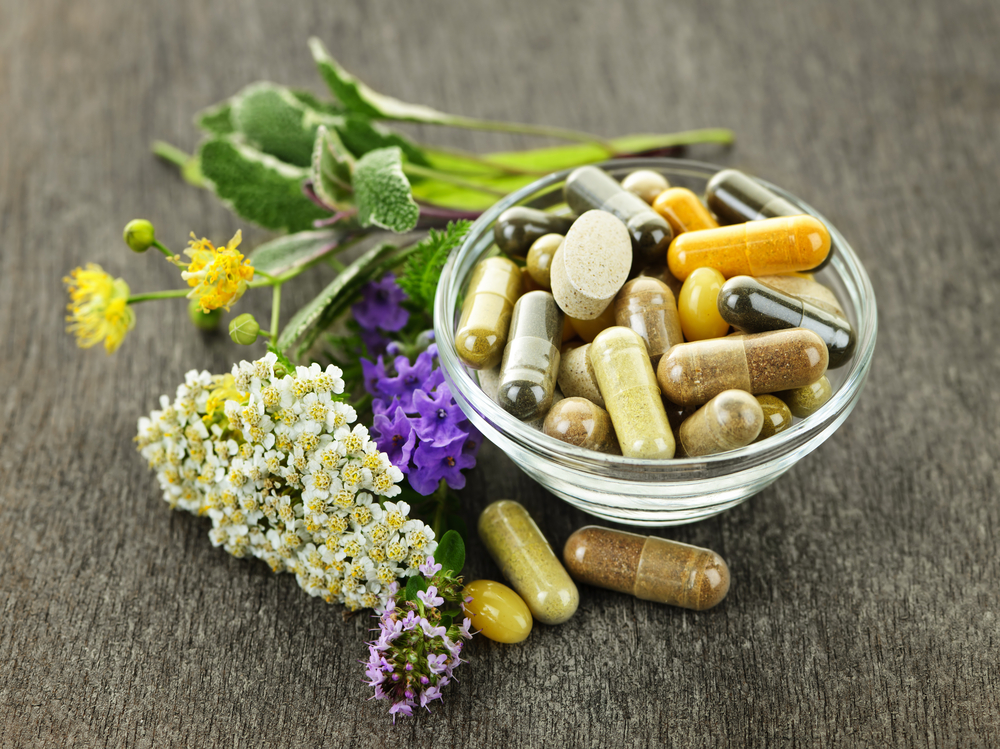
- Capsules/Tablets: Convenient and precise dosing. Good for daily maintenance during peak cold months.
- Gummies: Easy for kids, but often lower in active elderberry content. Check labels carefully.
Important: always use cooked or processed elderberry products. Raw elderberries, leaves, and stems contain cyanogenic glycosides — your body converts these to cyanide in large amounts. Properly cooked elderberry is safe and effective.
And if you want a convenient way to get elderberry along with other nutrients, the
The Bottom Line
Elderberry isn’t a miracle cure, but it’s one of the most evidence-backed natural immune supports available. The research consistently shows it can reduce cold duration and severity, and emerging evidence points to heart and blood sugar benefits too.
The key is consistency during cold season and starting at the first sign of symptoms. Pair it with good sleep, nutrition, and stress management — and you’ve built an immunity strategy that actually works.
For anyone wanting to understand the full picture of what happens when we neglect our immune health, reading about the effects of stress on sleep and health puts elderberry’s benefits in proper context.
[asd_free_examples]