Neem, scientifically known as Azadirachta indica, has been celebrated for centuries in traditional medicine systems like Ayurveda. Its leaves, rich in bioactive compounds, have long been used to treat a wide array of ailments. In recent years, modern science has begun to explore the extensive health benefits of neem leaf extract, validating many of the traditional claims and uncovering new potential applications. This article delves into the various health benefits of neem leaf extract, examining its bioactive components, therapeutic properties, and potential role in promoting overall well-being.
Historical and Cultural Significance
Neem has earned the nickname “the village pharmacy” in India, where every part of the tree—from its bark and seeds to its leaves—has been used in various medicinal preparations. Traditional healers have relied on neem for its antimicrobial, anti-inflammatory, and detoxifying properties. The longstanding use of neem in traditional medicine provides a compelling backdrop for modern research, which is increasingly focused on understanding its mechanisms and potential applications in contemporary healthcare.
Bioactive Compounds in Neem Leaves
Neem leaves are a rich source of a variety of bioactive compounds, including flavonoids, polyphenols, and terpenoids. These compounds contribute to neem’s potent therapeutic effects. Key components include:
- Azadirachtin: Known for its insecticidal properties, azadirachtin plays a crucial role in neem’s ability to deter pests and may also have applications in managing parasitic infections.
- Nimbin and Nimbidin: These compounds are recognized for their anti-inflammatory and antimicrobial properties. They help in reducing inflammation and fighting infections.
- Quercetin: A well-known antioxidant that protects cells from oxidative stress, quercetin also exhibits anti-inflammatory and immune-modulatory effects.
The synergy among these bioactive substances makes neem leaf extract a versatile agent in promoting health and preventing disease.
Antimicrobial and Antiviral Properties
One of the most studied benefits of neem leaf extract is its antimicrobial activity. Neem has been shown to combat a variety of bacteria, viruses, and fungi. Its antimicrobial properties make it a popular ingredient in oral care products, such as toothpaste and mouthwash, to help reduce dental plaque and prevent gum infections. Additionally, neem’s antiviral effects are being explored for their potential to combat common viral infections, including those affecting the respiratory system.
Studies indicate that neem extract can disrupt the cell walls of bacteria and inhibit their growth. This makes it a natural alternative for those looking to reduce reliance on synthetic antibiotics, particularly in an era when antibiotic resistance is a growing global concern.
Anti-Inflammatory and Immune-Modulating Effects
Inflammation is a key factor in many chronic diseases, from arthritis to cardiovascular conditions. Neem leaf extract’s anti-inflammatory properties are attributed to its ability to modulate the production of pro-inflammatory cytokines. By reducing inflammation, neem may help alleviate the symptoms associated with various inflammatory conditions.
Furthermore, neem’s immune-modulating properties contribute to its overall health benefits. A balanced immune response is crucial for protecting the body against infections and diseases. Research suggests that neem extract may help regulate immune function, potentially providing support for individuals with autoimmune disorders or those recovering from illnesses.
Skin Health and Dermatological Benefits
Neem is perhaps most renowned for its benefits for skin health. The extract’s antimicrobial and anti-inflammatory properties make it an effective treatment for a range of skin conditions, including acne, eczema, and psoriasis. Neem can help soothe irritated skin, reduce redness, and combat the bacteria that cause acne.
In traditional practices, neem leaves are often ground into a paste and applied directly to the skin. Modern formulations incorporate neem extract into creams, lotions, and soaps to harness these benefits. Regular use of neem-based products can help maintain clear, healthy skin, and may even slow down the aging process by protecting against oxidative stress.
Dental and Oral Health
The oral cavity is particularly vulnerable to bacterial infections, which can lead to gum disease and tooth decay. Neem leaf extract has been incorporated into oral care products due to its ability to inhibit the growth of harmful bacteria. Studies have demonstrated that neem can reduce plaque formation, prevent gingivitis, and promote overall oral hygiene.
Traditional uses of neem in dental care include using its twigs as natural toothbrushes. The antimicrobial properties of neem not only help clean the teeth but also strengthen the gums, making it an invaluable tool in maintaining dental health naturally.
Blood Sugar Regulation and Diabetes Management
Emerging research suggests that neem leaf extract may have a role in regulating blood sugar levels. This is particularly significant for individuals with type 2 diabetes, where controlling blood glucose is critical. Some studies have shown that neem can enhance insulin sensitivity and reduce blood sugar levels, although further research is needed to confirm these effects and determine optimal dosing.
The potential of neem in diabetes management lies in its anti-inflammatory properties, which help mitigate the chronic inflammation often associated with insulin resistance. Incorporating neem extract as a complementary therapy, alongside conventional treatments, could provide additional benefits for diabetic patients.
Detoxification and Liver Health
The liver is the body’s primary detoxifying organ, and maintaining its health is crucial for overall well-being. Neem leaf extract has been shown to possess hepatoprotective properties, meaning it can help protect the liver from damage caused by toxins. Its antioxidant compounds work to neutralize harmful free radicals, reducing oxidative stress on liver cells.
By supporting liver function, neem may aid in the overall detoxification process, which is essential for maintaining metabolic health and preventing a range of diseases. This detoxifying effect is yet another reason why neem has been revered in traditional medicine systems for centuries.
Potential Anti-Cancer Properties
Preliminary research has also explored the potential anti-cancer properties of neem leaf extract. Laboratory studies suggest that neem compounds may inhibit the proliferation of cancer cells and induce apoptosis (programmed cell death) in malignant cells. While these findings are promising, it is important to note that much of this research is in the early stages. Clinical trials are necessary to fully understand how neem can be integrated into cancer prevention or treatment protocols.
Safety, Precautions, and Future Directions
Despite its many benefits, neem leaf extract should be used with caution. High doses or prolonged use can lead to adverse effects, including gastrointestinal discomfort and potential interactions with medications. Pregnant and breastfeeding women are often advised to avoid neem, as its safety in these populations has not been conclusively established.
As research continues, it is hoped that more comprehensive clinical trials will elucidate the full spectrum of neem’s therapeutic potential. Future studies may also reveal new applications of neem in areas such as metabolic disorders, neurodegenerative diseases, and even mental health, as our understanding of the interplay between natural compounds and human physiology deepens.
Conclusion
Neem leaf extract stands as a testament to the enduring value of traditional medicine in the modern era. With its multifaceted health benefits—including antimicrobial, anti-inflammatory, immune-modulating, and detoxifying properties—neem offers a natural approach to maintaining and enhancing health. From promoting skin and oral health to potentially aiding in the management of chronic conditions like diabetes and even cancer, the extract serves as a versatile tool in the wellness toolkit.
While more research is needed to unlock its full potential, current evidence supports the inclusion of neem as part of a balanced, holistic approach to health. Whether used in topical applications or as a dietary supplement, neem leaf extract continues to bridge the gap between ancient wisdom and modern scientific discovery, offering hope for a natural remedy that benefits overall well-being.
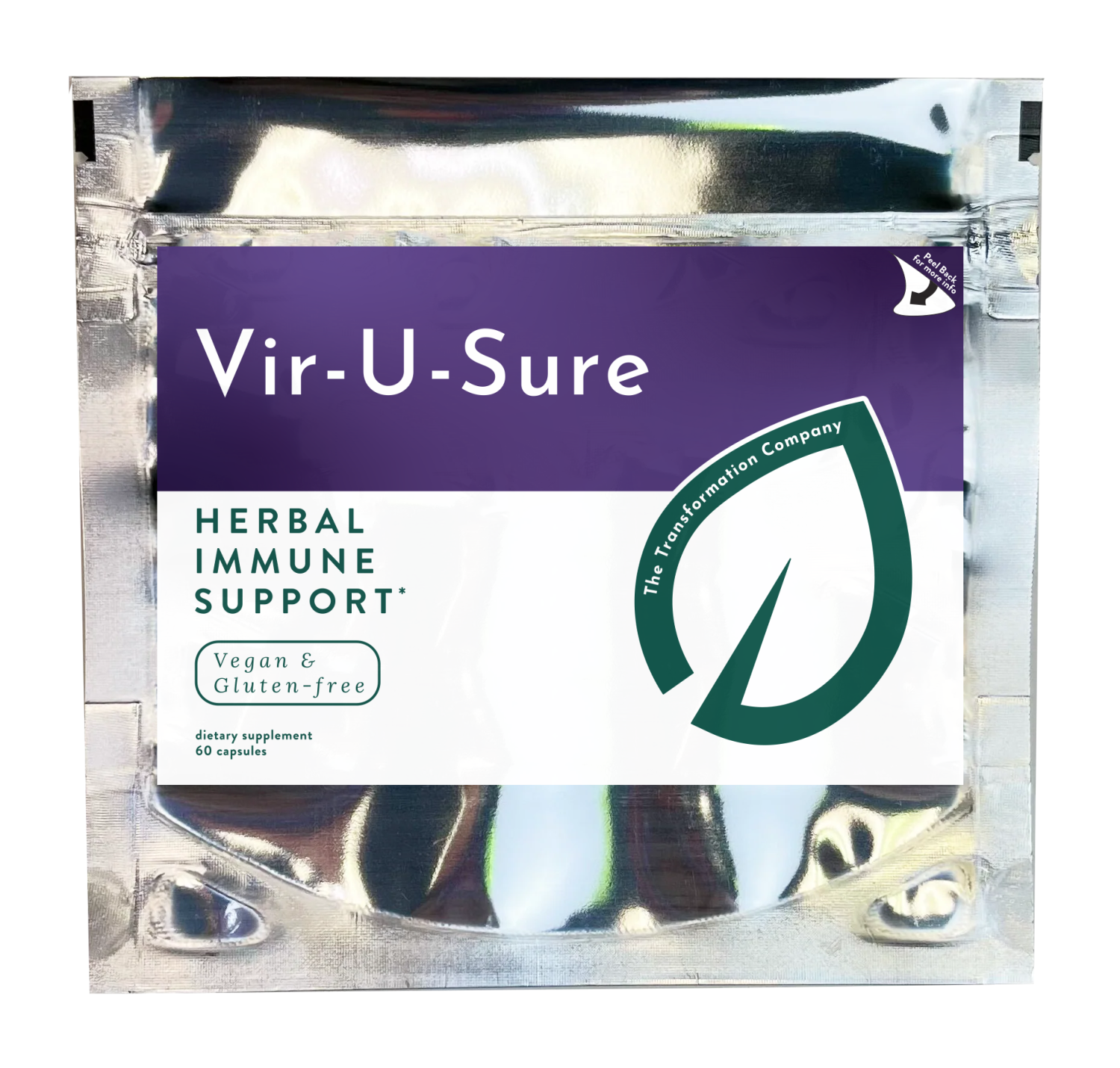
Vir-U-Sure Purium’s product with Neem Leaf Extract
READ MORE: Strengthen Immunity with Purium
Sources:
https://www.sciencedirect.com/science/article/pii/S1756464620303959
https://www.frontiersin.org/journals/pharmacology/articles/10.3389/fphar.2022.891535/full
https://pmc.ncbi.nlm.nih.gov/articles/PMC9649496/