
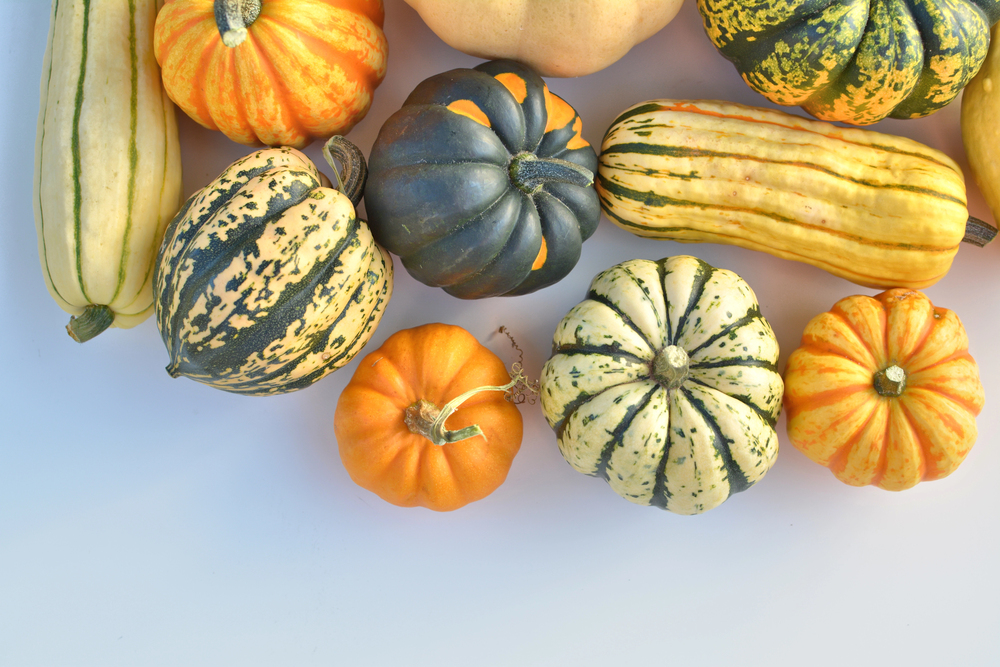
If you’re trying to improve your health through food, winter squash is one of the most underrated staples you can add to your routine. It’s naturally sweet, comforting, and versatile—yet it also delivers serious nutrition. From supporting gut health and steady energy to helping you feel full with fewer calories, winter squash (like butternut, acorn, kabocha, delicata, and spaghetti squash) fits beautifully into an evidence-informed, whole-food approach to eating.
What Counts as “Winter Squash”?
Winter squash is harvested in late summer and fall, then stored through the winter (hence the name). Unlike summer squash (like zucchini), winter squash has a hard outer rind and denser flesh. Common varieties include:
- Butternut squash
- Acorn squash
- Kabocha (Japanese pumpkin)
- Delicata squash
- Spaghetti squash
- Hubbard squash
- Pumpkin (yes, it counts!)
They all provide similar health advantages, with slight differences in sweetness, texture, and nutrient levels.
1) Winter Squash Is Nutrient-Dense but Calorie-Friendly
One reason winter squash is so helpful for health goals is that it gives you a lot of nutrition for relatively few calories—especially compared with refined carbs or heavier comfort foods.
Winter squash is mostly water and fiber, with moderate carbohydrate content that tends to feel satisfying. This makes it a smart swap for:
- White pasta or oversized portions of rice
- Creamy soups made mostly from heavy cream
- Highly processed snacks
Instead, winter squash lets you build meals that feel hearty and satisfying while supporting a nutrient-rich diet.
Health takeaway: If you want to eat for better health without feeling deprived, winter squash helps you get fullness, flavor, and micronutrients in one package.
2) Rich in Carotenoids for Immune Support and Cell Protection
Many winter squash varieties get their orange color from carotenoids, including beta-carotene, which your body can convert into vitamin A. Vitamin A is essential for:
- Immune function
- Healthy skin and mucous membranes
- Vision health
- Cell growth and repair
Carotenoids also act as antioxidants, helping protect cells from oxidative stress. While “antioxidants” can sound like a buzzword, here’s the practical point: diets rich in colorful plant foods are consistently linked with better long-term health outcomes.
Health takeaway: If you’re trying to “eat the rainbow,” orange winter squash is one of the easiest (and tastiest) ways to get there.
3) Fiber That Supports Gut Health, Cholesterol, and Steady Blood Sugar
Fiber is one of the most important nutrients for health—yet many people don’t get enough. Winter squash helps close that gap.
Fiber supports:
- Gut health: feeds beneficial gut bacteria, which can influence digestion and overall wellness
- Cholesterol management: soluble fiber can help lower LDL cholesterol over time
- Blood sugar balance: fiber slows digestion, helping reduce spikes and crashes
For people focused on energy, cravings, and metabolic health, this matters a lot. A fiber-rich meal tends to keep you full longer and can reduce the urge to snack later.
Health takeaway: If your goal is steadier energy and fewer cravings, adding fiber-rich foods like winter squash can make meals feel more “stable.”
4) Potassium for Blood Pressure and Heart Health
Winter squash is a good source of potassium, a mineral many adults under-consume. Potassium helps:
- Support normal blood pressure
- Balance sodium levels in the body
- Support muscle function (including the heart)
For heart health-focused eaters, potassium-rich whole foods matter—especially when they replace overly salty, ultra-processed foods.
Health takeaway: Winter squash can support a heart-healthy eating pattern, especially when paired with other potassium-rich foods like beans, leafy greens, and yogurt.
5) A Smart Carbohydrate for Active People and Weight Goals
Carbohydrates are not the enemy—especially if you’re choosing them from whole foods. Winter squash provides carbohydrates along with fiber and micronutrients, making it a “smart carb” choice for:
- People who exercise and need fuel
- Anyone trying to reduce refined carbs without going low-carb
- Those aiming for sustainable weight management
Winter squash is also naturally sweet, which can help satisfy the desire for comfort foods—without relying on desserts or processed snacks.
Health takeaway: If you want carbs that support your goals instead of derailing them, winter squash is an excellent option.
6) Naturally Supports Hydration (and “Volume Eating”)
Winter squash has a high water content. When combined with fiber, that water content increases food volume—meaning you get a larger portion for fewer calories than many processed foods.
This is a strategy often called volume eating, and it can be helpful if you’re trying to:
- Feel full while managing calories
- Eat more produce and less processed food
- Build meals that are satisfying and nutrient-dense
Health takeaway: Winter squash helps you make big, satisfying meals that still align with health goals.
7) Versatile for Meal Prep and Habit-Building
One of the biggest nutrition “secrets” isn’t a superfood—it’s consistency. Winter squash shines because it’s easy to meal prep and works in many cuisines.
You can roast a tray of cubed squash once and use it all week in:
- Salads
- Grain bowls
- Soups
- Tacos
- Breakfast scrambles
- Pasta sauces
The easier it is to use a healthy food, the more likely you are to keep eating it.
Health takeaway: Winter squash is a practical “healthy staple,” not just a once-a-year holiday side dish.
How to Eat More Winter Squash (Simple, Healthy Ideas)
Here are easy, nutrition-forward ways to add winter squash to your meals without overcomplicating things:
Roast It (The Easiest Method)
- Cube butternut, kabocha, or delicata
- Toss with olive oil, salt, pepper, garlic powder, and paprika
- Roast until caramelized
Pair with protein (chicken, tofu, beans) and a green vegetable for a balanced plate.
Blend It into Soup (Creamy Without Cream)
Blend cooked squash with:
- Onion + garlic
- Broth
- White beans or red lentils (for extra protein and fiber)
Finish with Greek yogurt or a drizzle of olive oil.
Use It as a Pasta Sauce Base
Blend roasted squash with:
- Garlic
- A splash of milk (or unsweetened plant milk)
- Parmesan (optional)
- Black pepper and herbs
This creates a nutrient-rich, naturally creamy sauce.
Make “Squash Bowls”
Halve acorn squash, roast, and fill with:
- Quinoa or brown rice
- Lentils or turkey
- Sautéed greens
Top with pumpkin seeds for crunch.
Try Spaghetti Squash as a Veggie Swap
Spaghetti squash is lower in carbs than some other varieties and works well as:
- A base for marinara and turkey meatballs
- A quick stir-fry bowl with veggies and shrimp
- A “pasta night” option that still feels cozy
A Note on Choosing and Storing Winter Squash
- Choose squash that feels heavy for its size with a firm, intact rind.
- Store whole squash in a cool, dry place (many varieties keep for weeks).
- Once cut, store in the refrigerator and use within a few days.
Frozen squash (especially butternut cubes) is also a convenient option that saves time and reduces food waste.
The Bottom Line
Winter squash is a powerful, practical food for people who want to improve their health through nutrition. It offers fiber for gut and metabolic health, carotenoids for immune support, potassium for heart health, and satisfying carbohydrates that work for both active lifestyles and weight goals. Best of all, it’s delicious, affordable, and easy to use consistently—making it a smart staple for long-term healthy eating.
Read More: Pumpkin A Healthy Choice All Year Long
Sources:
https://health.ucdavis.edu/blog/good-food/health-benefits-of-winter-squash-and-ways-you-can-cook-them/2023/11
https://nutritionsource.hsph.harvard.edu/food-features/winter-squash/
https://www.prevention.com/weight-loss/diets/a63096762/volume-eating/