HealthSurgeon - Healthy Living and Fitness - Purium Coupon
Primary Navigation Menu
The Health Benefits and Risks of Red Meat: What Science Really Says
Red meat has been at the center of nutrition debates for decades. Some hail it as a powerhouse of protein and essential nutrients, while others warn of its links to heart disease, cancer, and other chronic illnesses. The truth lies somewhere in between. When consumed in moderation and with attention to preparation methods, red meat can be part of a balanced diet—but it also carries potential health risks that shouldn’t be ignored.
This article explores both the benefits and risks of eating red meat, helping you make informed dietary choices.
What Counts as Red Meat?
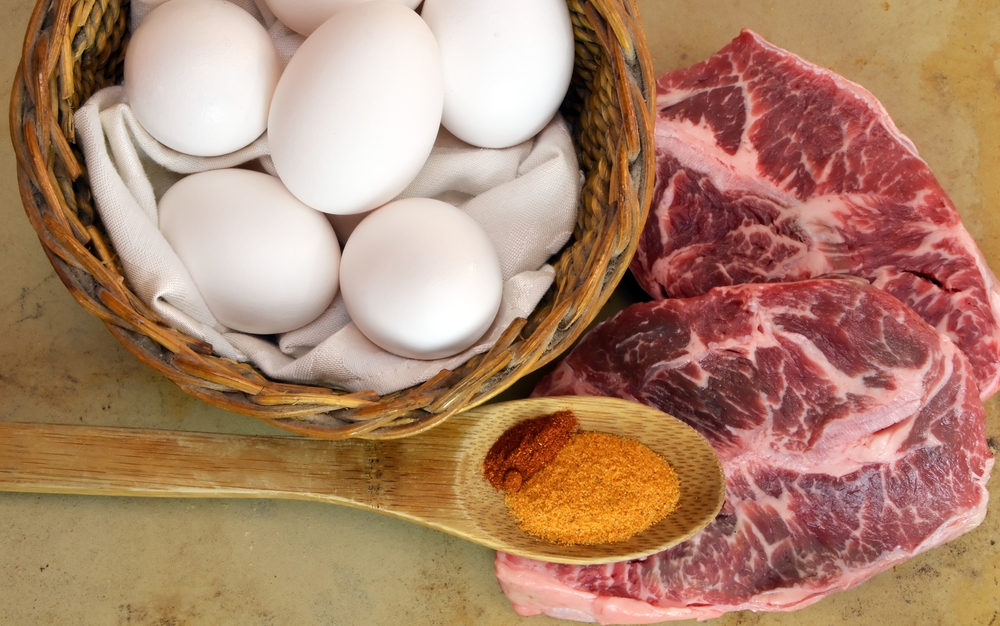
Red meat refers to meat that is red when raw and typically darker when cooked. Common examples include beef, lamb, pork, and goat. Processed red meats—like sausages, bacon, ham, and deli meats—are in a separate category due to added preservatives, curing, or smoking.
Health Benefits of Red Meat
Rich Source of Protein
Red meat is one of the best natural sources of high-quality protein, which contains all nine essential amino acids. Protein supports muscle growth, tissue repair, hormone production, and a healthy immune system. For athletes, children, and older adults at risk of muscle loss, protein from red meat can be especially valuable.
Zinc: Important for immunity, wound healing, and DNA synthesis, zinc is abundant in beef and lamb.
Vitamin B12: Found almost exclusively in animal products, vitamin B12 supports nerve function and red blood cell formation.
Other B Vitamins: Red meat is rich in niacin, riboflavin, and vitamin B6, all crucial for energy metabolism.
Creatine and Carnosine for Performance
Beef naturally provides creatine and carnosine, compounds that improve muscle performance, reduce fatigue, and support brain health. These nutrients are especially beneficial for individuals who engage in high-intensity training.
Satiety and Weight Management
Protein-rich foods like red meat promote satiety, helping people feel full longer. This can aid in weight management by reducing cravings and overeating.
Health Risks of Red Meat
Despite its nutritional value, high consumption of red meat—especially processed varieties—has been associated with several health risks.
Heart Disease and Stroke
Numerous studies have linked frequent consumption of red meat, particularly processed meats, to an increased risk of cardiovascular disease. Possible reasons include:
High saturated fat content, which may raise LDL (“bad”) cholesterol.
High sodium and preservatives in processed meats, which can increase blood pressure and damage blood vessels.
Strongest evidence links red meat to colorectal cancer, potentially due to compounds formed when cooking at high heat (grilling, frying, or smoking).
Nitrites and nitrates used in processed meats can also form cancer-causing substances in the body.
Type 2 Diabetes
High intake of red and processed meats has been associated with an increased risk of type 2 diabetes. This may be due to their saturated fat content, preservatives, and heme iron, which in excess can contribute to insulin resistance.
Impact on Gut Health
Some research suggests that diets high in red meat can negatively influence the gut microbiome, increasing compounds linked to inflammation and cardiovascular risk.
Moderation and Preparation Matter
The health effects of red meat depend largely on type, quantity, and cooking methods:
Choose lean cuts: Opt for sirloin, tenderloin, or round cuts instead of fatty cuts like ribeye or brisket.
Limit processed meats: Reserve bacon, sausages, and deli meats for occasional indulgences rather than daily staples.
Mind cooking techniques: Avoid charring or burning meat, which produces carcinogenic compounds. Baking, steaming, and slow cooking are safer alternatives.
Portion control: Nutrition experts recommend limiting red meat to 12–18 ounces (cooked) per week.
Red Meat vs. Plant-Based and Alternative Proteins
Plant-based proteins such as beans, lentils, tofu, and quinoa provide fiber, phytonutrients, and lower saturated fat—factors linked to reduced chronic disease risk. Fish and poultry are also associated with lower risks compared to red and processed meats.
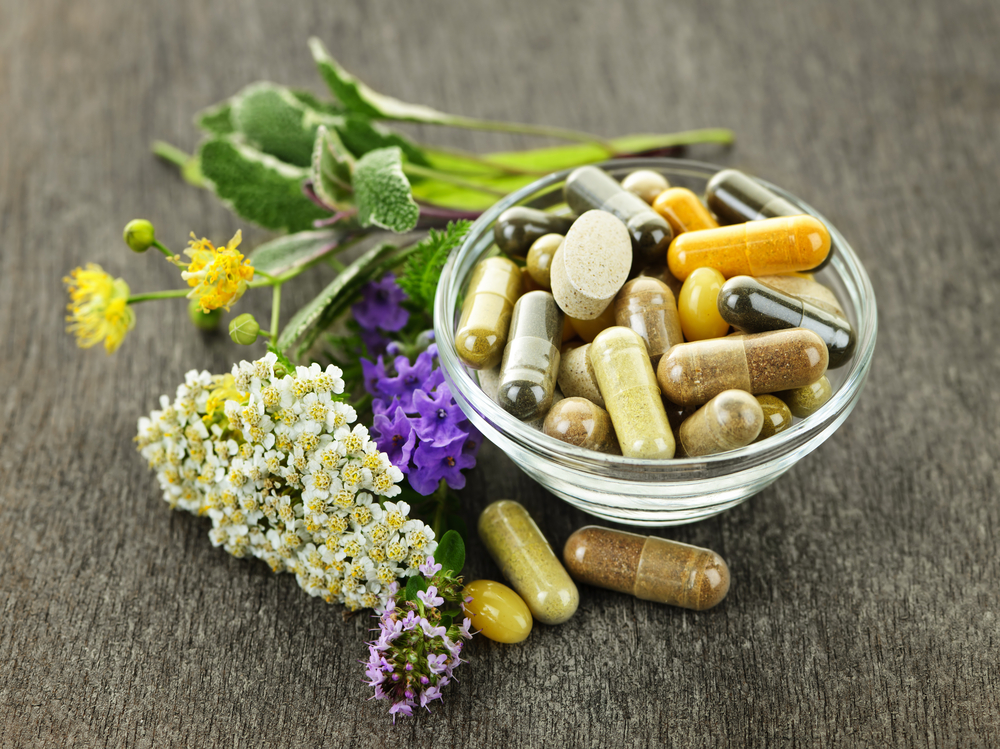
That said, red meat still offers unique benefits like heme iron and vitamin B12, which may be harder to obtain from plant-only diets. For those reducing meat, fortified foods or supplements can help bridge nutrient gaps.
Conclusion
Red meat is a nutrient-dense food that provides essential protein, vitamins, and minerals. However, excessive consumption—especially of processed forms—has been linked to heart disease, cancer, and type 2 diabetes. The key lies in moderation, smart preparation, and balancing red meat with plenty of fruits, vegetables, whole grains, legumes, and fish.
By making thoughtful choices, you can enjoy the health benefits of red meat while minimizing the risks and supporting long-term wellness.
This website uses cookies to improve your experience. We'll assume you're ok with this, but you can opt-out if you wish.AcceptRejectRead More
Privacy & Cookies Policy
Privacy Overview
This website uses cookies to improve your experience while you navigate through the website. Out of these cookies, the cookies that are categorized as necessary are stored on your browser as they are essential for the working of basic functionalities of the website. We also use third-party cookies that help us analyze and understand how you use this website. These cookies will be stored in your browser only with your consent. You also have the option to opt-out of these cookies. But opting out of some of these cookies may have an effect on your browsing experience.