HealthSurgeon - Healthy Living and Fitness - Purium Coupon
Primary Navigation Menu
Mitochondria Explained: What They Do and the Best Habits to Boost Mitochondrial Health
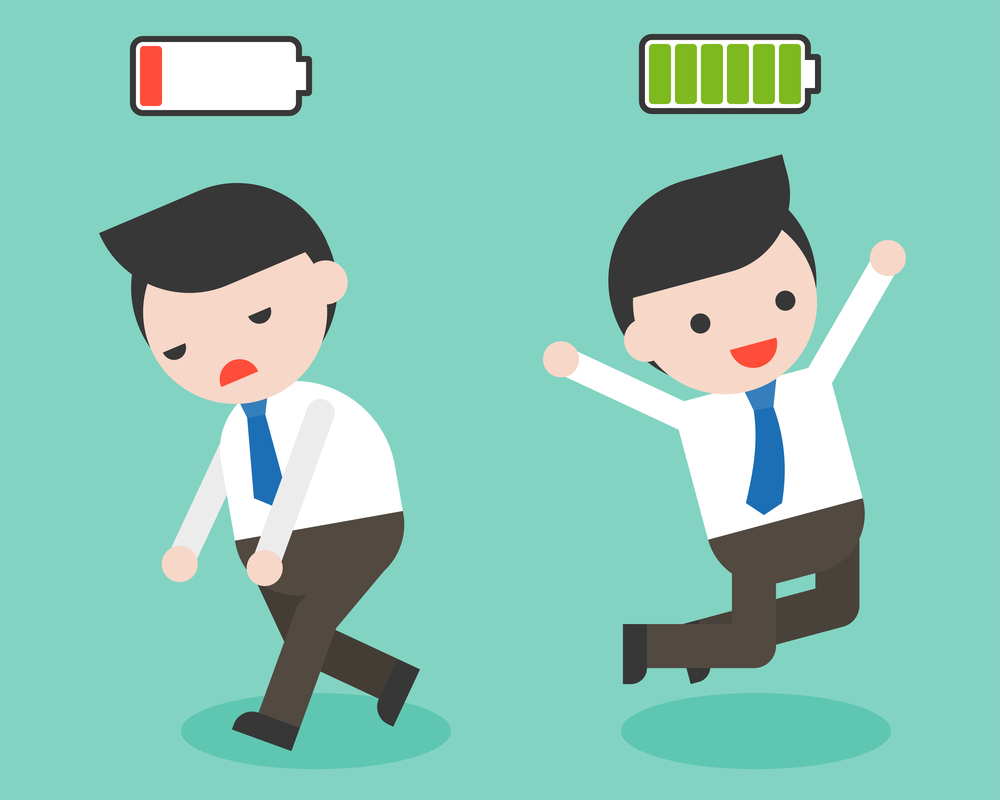
If you’re into a healthy lifestyle, you’ve probably heard mitochondria described as the “powerhouses of the cell.” That’s not wrong—but it’s incomplete. Mitochondria don’t just make energy. They help decide whether your cells adapt, recover, burn fuel efficiently, handle stress, or slide toward inflammation and fatigue. They influence how you feel day to day: stamina, mental clarity, exercise performance, and even how well you bounce back after a bad night of sleep.
This article explains what mitochondria do in plain language and lays out practical, lifestyle-based habits that support mitochondrial function—without turning your routine into a full-time job.
What are mitochondria?
Mitochondria are small structures inside most of your cells. You can think of them like tiny energy-processing hubs. They take the fuel you eat (carbs, fats, and sometimes protein) plus oxygen you breathe, and convert it into a usable energy currency called ATP (adenosine triphosphate). ATP is what powers muscle contractions, nerve signaling, digestion, hormone production—everything.
Some cells need far more ATP than others, which is why they contain more mitochondria. Your heart, brain, and skeletal muscles are especially mitochondria-rich because they work nonstop or demand high performance.
What Mitochondria Do (beyond “make energy”)
Here’s the real list of mitochondrial jobs—this is where they start to sound like a wellness topic, not just biology trivia.
1) They produce ATP: your usable cellular energy
Mitochondria run a process called oxidative phosphorylation, where electrons move through a chain of reactions to generate ATP. This is the long-duration energy system you rely on for:
endurance exercise
daily movement and posture
steady brain function
stable metabolism between meals
When this system runs smoothly, you generally feel more “steady.” When it’s struggling, you may feel more easily winded or foggy.
2) They help decide which fuel you burn (metabolic flexibility)
Healthy mitochondria are strongly linked to metabolic flexibility—the ability to switch between burning carbs and fats based on what you’re doing (resting, walking, lifting, sprinting) and what you’ve eaten. People often experience poor flexibility as energy crashes, intense cravings, or feeling “flat” unless they constantly snack.
3) They regulate oxidative stress (not eliminate it)
Mitochondria produce small amounts of reactive byproducts (often discussed as “free radicals”). This isn’t automatically bad—your body uses these signals to trigger adaptation. The key is balance: enough stress to signal improvement, not so much that it becomes chronic inflammation.
4) They influence recovery, inflammation, and cellular “clean-up”
Mitochondria interact with inflammation signaling and cellular repair processes. One major concept in longevity science is mitochondrial quality control:
making new mitochondria (biogenesis)
repairing damaged parts
recycling weak mitochondria (mitophagy)
A healthy lifestyle supports this “maintenance cycle,” which matters a lot more than any single supplement.
5) They play roles in hormones and aging pathways
Mitochondria are involved in processes that intersect with hormone production and aging biology (energy sensing and stress response). That’s one reason they’re so often mentioned in the context of longevity and performance.
What Hurts Mitochondria (in real life)
You don’t need to be perfect—this is about patterns. Mitochondria tend to struggle when you stack too many of these for too long:
chronic sleep deprivation
prolonged sedentary time (lots of sitting)
ultra-processed diet with low micronutrient density
If mitochondria had a love language, it would be movement—especially movement that challenges your aerobic system.
Best types of training for mitochondria:
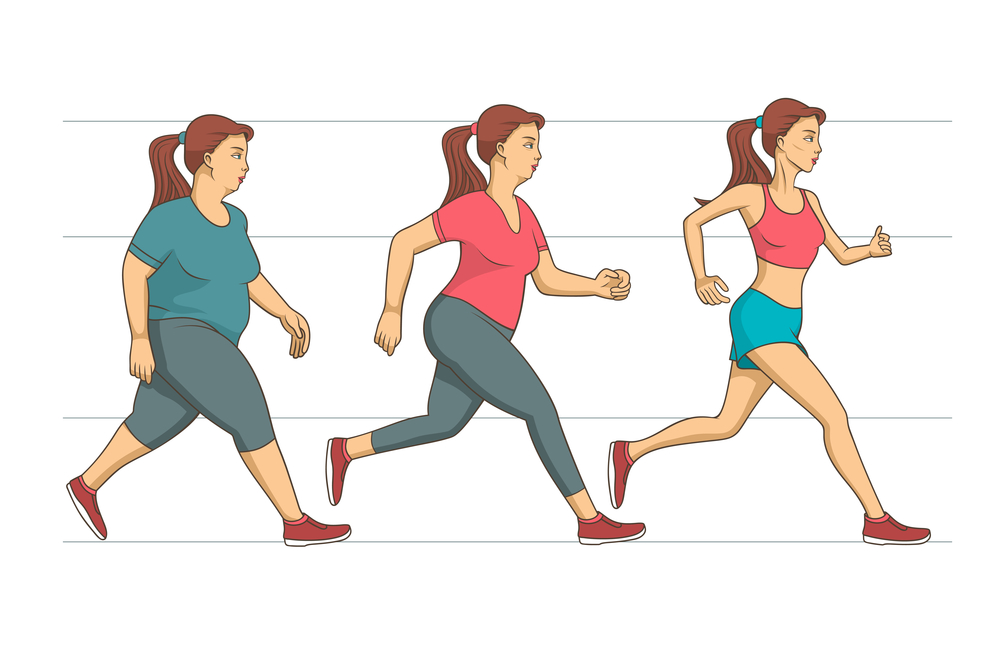
Zone 2 cardio (conversational pace): brisk walking, cycling, jogging, rowing where you can speak in sentences. This strongly supports mitochondrial density and efficiency over time.
Intervals (1–2x/week): short bursts that push intensity (like hill sprints, hard bike intervals, or rowing intervals). These create a potent adaptation signal—when done with recovery.
Strength training (2–4x/week): lifting doesn’t just build muscle; it supports insulin sensitivity and metabolic health, which indirectly supports mitochondrial function. Plus, muscle is a mitochondria-rich tissue.
A simple weekly template:
2–4 sessions of strength training
2–4 sessions of Zone 2 (20–45 minutes)
1 short interval session if recovery is good
You don’t need all of this at once. Even adding 2–3 Zone 2 sessions per week is a major win.
2) Sleep: mitochondrial recovery happens at night
Quality sleep supports recovery systems, including cellular repair and metabolic regulation. You’ll notice this quickly: one week of poor sleep and workouts feel harder, cravings rise, and mood dips. That’s not “lack of discipline”—it’s biology.
Mitochondria-friendly sleep habits:
consistent wake time (even on weekends)
dim lights at night, bright light in the morning
cool, dark room
caffeine cutoff 8–10 hours before bed if you’re sensitive
avoid heavy meals right before sleep (unless it helps you sleep better—individual variation matters)
3) Nutrition: support the engines without obsessing
Prioritize protein: supports muscle maintenance and recovery (mitochondria live in muscle). Most active people do well spreading protein across meals.
Eat colorful plants: berries, greens, cruciferous vegetables, herbs/spices. These provide polyphenols and micronutrients that support stress balance and recovery.
Carbs based on activity: if you train hard, carbs help performance and recovery. If you’re less active, you may feel better with fewer refined carbs and more whole-food sources.
One underrated angle: don’t chronically under-eat. Mitochondria adapt to scarcity by downshifting. If you’re always exhausted, cold, and can’t recover, it’s worth checking whether “clean eating” accidentally turned into “not enough eating.”
4) Blood sugar stability: less roller coaster = less cellular stress
Wild glucose swings can feel like energy swings. Supporting insulin sensitivity helps your cells use fuel efficiently.
Practical tactics:
lift weights and walk daily (huge effect)
build meals around protein + fiber
add a 10-minute walk after meals
keep ultra-processed snacks as “sometimes,” not “default”
5) Stress + recovery: mitochondria like challenge, not chaos
Exercise is a controlled stressor. Chronic life stress is often uncontrolled. Your goal is not eliminating stress; it’s improving recovery capacity.
Simple recovery practices:
5 minutes of slow nasal breathing after workouts or before meals
nature walks
time boundaries with screens and work
deload weeks in training
social connection (seriously—physiology responds to it)
6) Heat and cold: optional tools, not required
Saunas and cold plunges can be useful stressors, but they’re not mandatory. If you enjoy them and recover well, great. If they make you feel drained or disrupt sleep, skip them. The “mitochondria basics” (exercise, sleep, nutrition) beat trendy extremes.
7) Reduce mitochondrial “toxins” in your routine
This isn’t about fear—it’s about patterns:
keep alcohol moderate (or take breaks)
avoid smoking/vaping
minimize repeated all-nighters
address sleep apnea or chronic snoring if present
Supplements: a Quick, Honest Note
A lot of supplements are marketed for “mitochondrial health.” Some have promising research in specific contexts, but none outperform the fundamentals. If you want a simple, evidence-aligned approach, start with:
consistent training
adequate protein and micronutrients
good sleep
Then, if you’re curious, consider discussing options with a clinician—especially if you have fatigue, heart issues, medications, or medical conditions.
The Takeaway: Treat Mitochondria Like Trainable Fitness, not a Mystery
Mitochondria respond to how you live. The habits that support them—regular aerobic movement, strength training, deep sleep, nutrient-dense food, and enough recovery—are the same habits that make you feel good for obvious reasons. The mitochondria story just explains why those basics work so reliably.
This website uses cookies to improve your experience. We'll assume you're ok with this, but you can opt-out if you wish.AcceptRejectRead More
Privacy & Cookies Policy
Privacy Overview
This website uses cookies to improve your experience while you navigate through the website. Out of these cookies, the cookies that are categorized as necessary are stored on your browser as they are essential for the working of basic functionalities of the website. We also use third-party cookies that help us analyze and understand how you use this website. These cookies will be stored in your browser only with your consent. You also have the option to opt-out of these cookies. But opting out of some of these cookies may have an effect on your browsing experience.