HealthSurgeon - Healthy Living and Fitness - Purium Coupon
Primary Navigation Menu
Why Diabetic Patients Must Not Eat White Rice
Understanding the White Rice and Diabetes Connection
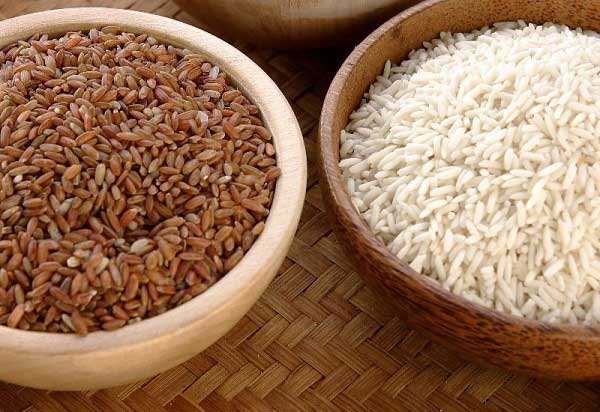
White rice has long been a dietary staple across many cultures, but for people with diabetes, this refined grain poses significant health risks. The processing that transforms brown rice into white rice strips away the fiber-rich bran and nutrient-dense germ, leaving behind primarily starchy endosperm that behaves very differently in your body.
When you eat white rice, your blood sugar spikes rapidly. According to research published in the National Institutes of Health, white rice has a high glycemic index (GI) of 73, meaning it converts to glucose quickly after consumption. For diabetic patients, this rapid conversion creates dangerous blood sugar fluctuations that can worsen insulin resistance over time.
Why Brown Rice Is the Better Choice
Unlike its refined counterpart, brown rice retains its fiber content and essential nutrients. The fiber in brown rice slows digestion and prevents the dramatic blood sugar spikes associated with white rice. Harvard Health reports that brown rice has a glycemic index of just 50—significantly lower than white rice.
For those managing diabetes, understanding glucose monitoring devices can help you track how different foods affect your blood sugar levels throughout the day.
Smart Carbohydrate Alternatives
Beyond brown rice, several other whole grains offer excellent alternatives for blood sugar management:
Quinoa – A complete protein with a low glycemic index
Barley – High in soluble fiber that helps regulate blood sugar
Cauliflower rice – A low-carb vegetable substitute that won’t spike glucose
Wild rice – Packed with antioxidants and fiber
Nutritional Support for Blood Sugar Control
Dietary changes work best when combined with proper nutritional support. [purium_product id=”super-amino-23″] provides essential amino acids that support healthy glucose metabolism without affecting blood sugar levels. Additionally, [purium_product id=”power-shake”] delivers plant-based nutrition that helps stabilize energy without refined carbohydrates.
Making the switch from white to brown rice doesn’t have to be difficult. Start by mixing half brown rice with half white rice, gradually increasing the brown rice proportion over several weeks. Your taste buds will adapt, and your blood sugar will thank you.
Remember that portion control matters even with healthier grains. A serving of cooked brown rice should be about half a cup, paired with plenty of vegetables and lean protein. This balanced approach helps maintain stable blood sugar throughout the day.
If you’re living with diabetes, eliminating white rice is one of the most impactful dietary changes you can make. The evidence is clear: choosing whole grains over refined carbohydrates supports better blood sugar control and reduces long-term complications.
This website uses cookies to improve your experience. We'll assume you're ok with this, but you can opt-out if you wish.AcceptRejectRead More
Privacy & Cookies Policy
Privacy Overview
This website uses cookies to improve your experience while you navigate through the website. Out of these cookies, the cookies that are categorized as necessary are stored on your browser as they are essential for the working of basic functionalities of the website. We also use third-party cookies that help us analyze and understand how you use this website. These cookies will be stored in your browser only with your consent. You also have the option to opt-out of these cookies. But opting out of some of these cookies may have an effect on your browsing experience.