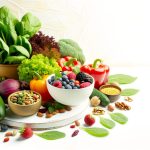

The gut microbiome is a complex ecosystem within our digestive tract, consisting of trillions of microorganisms, including bacteria, viruses, fungi, and other life forms. These microscopic inhabitants play a crucial role in our overall health, influencing digestion, immunity, and even our mood. A balanced gut microbiome aids in breaking down food, absorbing nutrients, and protecting against pathogens.
Significance of Digestive Health
Good digestive health is fundamental to our well-being. It ensures that our body efficiently absorbs essential nutrients and energy from food, which is vital for all bodily functions. Moreover, a healthy digestive system is linked to a robust immune response, as a significant portion of the immune system is located in the gut. Maintaining digestive health is also associated with a reduced risk of chronic diseases, such as obesity, diabetes, and heart disease.
Common Digestive Issues
Despite its resilience, the digestive system can be susceptible to various issues. Common digestive problems include irritable bowel syndrome (IBS), inflammatory bowel disease (IBD), gastroesophageal reflux disease (GERD), and food intolerances. Symptoms like bloating, constipation, diarrhea, heartburn, and abdominal pain can indicate disturbances in gut health that may require attention.
The Gut-Brain Connection
The gut-brain connection is a bidirectional communication pathway between the central nervous system and the enteric nervous system of the gut. This relationship means that our gut health can influence our mental state, contributing to conditions like anxiety and depression. Conversely, stress and emotional turmoil can manifest as gastrointestinal discomfort, highlighting the importance of a holistic approach to health that includes managing both mental and physical well-being.
By understanding the intricacies of the gut microbiome, recognizing the importance of digestive health, being aware of common digestive issues, and appreciating the gut-brain connection, we can take proactive steps towards maintaining a healthy and balanced digestive system.
What is a Gut Detox?
Defining Gut Detox
A gut detox, often confused with a gut reset, is a regimen designed to cleanse the digestive system by removing toxins and promoting a healthier gut microbiome. Unlike a gut reset, which focuses on nurturing beneficial bacteria and long-term dietary changes, a gut detox typically involves a short-term dietary intervention aimed at “cleansing” the gut of perceived impurities.
Myths vs. Facts
There are many misconceptions surrounding gut detoxes. One common myth is that they can quickly and completely remove all toxins from the gut, leading to immediate and lasting health improvements. The fact, however, is that the body has its own efficient detoxification systems, such as the liver and kidneys, and there is little scientific evidence to support the efficacy of gut detox products. Additionally, some detox protocols may contain ingredients that can aggravate the gut, causing discomfort or other symptoms.
Benefits of a Gut Cleanse
While the term “gut detox” may be misleading, there are benefits to adopting certain aspects of these regimens, such as eliminating inflammatory foods and incorporating high-fiber foods, probiotics, and adequate hydration into one’s diet. These practices can support the body’s natural detoxification processes and may lead to improved gut health and overall well-being.
When to Consider a Gut Detox
Considering a gut detox may be appropriate for individuals experiencing digestive discomfort, looking to kickstart a healthier lifestyle, or transitioning to a diet that supports gut health, such as the Mediterranean diet. However, it is crucial to approach gut detoxes with caution and skepticism, especially those involving drastic dietary restrictions or unproven supplements. It is always recommended to consult with a healthcare professional before beginning any new dietary regimen, particularly for those with existing health conditions or those who are pregnant or breastfeeding.
Pre-Detox Preparation
Assessing Your Current Diet
Before embarking on a gut detox, it’s crucial to take a close look at your current dietary habits. Assessing your diet involves keeping a food diary for at least a week, noting everything you consume, including meals, snacks, and beverages. Pay special attention to the intake of processed foods, sugars, and artificial additives, as these can negatively impact gut health. This assessment will help you identify patterns and foods that may be contributing to digestive discomfort or imbalance.
Eliminating Harmful Foods
Once you’ve identified potential culprits, the next step is to eliminate harmful foods from your diet. These typically include processed foods, high-sugar items, and those containing artificial additives. Additionally, common allergens such as gluten, dairy, nuts, and soy may need to be removed temporarily to give your digestive system a break. Focus on whole, unprocessed foods that are rich in nutrients and easy on the gut, such as lean proteins, vegetables, and fruits.
Mindful Eating Practices
Adopting mindful eating practices is another key aspect of pre-detox preparation. Mindfulness involves eating slowly, chewing thoroughly, and paying attention to the signals your body sends about hunger and fullness. This practice can enhance digestion and absorption of nutrients while preventing overeating and the discomfort that comes with it. Additionally, being mindful of your eating environment—such as sitting down at a table instead of eating on the go—can further support digestive health.
Hydration and Its Role in Digestion
Proper hydration is essential for digestion, as it helps to break down food and allows for smooth passage through the intestines. Aim to drink plenty of water throughout the day, especially between meals, to support your digestive system. Avoiding dehydrating beverages like alcohol and those high in caffeine is also beneficial during this phase. Incorporating hydrating foods, such as cucumbers, celery, and watermelon, can further assist in maintaining adequate fluid levels in the body.
By carefully assessing and adjusting your diet, eliminating harmful foods, practicing mindful eating, and ensuring proper hydration, you’ll set a solid foundation for a successful gut detox. This preparation phase is not only about removing what doesn’t serve your gut health but also about creating new, healthier habits that will support your digestive system in the long term.
Natural Detoxification Methods
Fiber-Rich Foods for Detox
One of the cornerstones of a natural gut detox is the inclusion of fiber-rich foods. Dietary fiber plays a crucial role in enhancing digestion, promoting regular bowel movements, and facilitating the elimination of toxins from the body. Incorporate a variety of fruits, vegetables, whole grains, and legumes into your diet to ensure an adequate intake of both soluble and insoluble fibers. Foods such as raspberries, pears, apples, lentils, and chia seeds are excellent choices to support your gut detox.
Probiotics and Prebiotics
The health of your gut microbiome is integral to your overall digestive health. Probiotics are beneficial bacteria that help maintain a healthy balance in the gut, while prebiotics are fibers that feed these good bacteria. Including a combination of probiotic-rich foods like yogurt, kefir, and sauerkraut, along with prebiotic foods such as garlic, onions, and bananas, can enhance your gut health and support the body’s natural detoxification processes.
Herbal Teas and Digestive Aids
Herbal teas are a gentle way to support digestion and assist the body’s natural detoxification. Ingredients like ginger, peppermint, and dandelion have properties that can soothe the digestive tract, reduce bloating, and stimulate liver function. Incorporating these teas into your daily routine can provide a comforting and effective way to promote gut health.
Fermented Foods
Fermented foods are another powerful ally in the quest for a healthy gut. They are rich in probiotics, which are essential for maintaining a balanced gut microbiome. Foods like kimchi, miso, tempeh, and kombucha not only add delicious flavors to your meals but also contribute to a stronger digestive system and enhanced immune function.
Regular Physical Activity
Exercise is not just beneficial for your overall health; it also plays a significant role in supporting your body’s detoxification efforts. Regular physical activity helps to stimulate the lymphatic system, which in turn aids in the elimination of toxins. Additionally, exercise can help to reduce inflammation and improve gut motility, ensuring that waste products move through your digestive system efficiently. Aim for at least 150 minutes of moderate-intensity exercise per week, such as brisk walking or cycling.
By incorporating these natural detoxification methods into your lifestyle, you can support your body’s ability to cleanse itself and promote a healthier, more vibrant digestive system.
Creating Your Gut Detox Plan
Personalizing Your Detox Approach
Embarking on a gut detox is a personal journey, and it’s essential to tailor your plan to your individual needs. Consider factors such as your current diet, lifestyle, and any specific digestive issues you may be facing. It’s also wise to reflect on your goals: Are you looking to alleviate symptoms of a condition, boost your energy levels, or simply improve your overall health? Personalizing your approach means taking into account your unique situation and adjusting your detox plan accordingly.
Sample Detox Diet Plan
A sample detox diet plan might include a variety of fiber-rich foods, probiotics, and plenty of fluids. Start your day with a warm glass of lemon water to stimulate digestion, followed by a breakfast rich in fruits, such as berries or an apple with the skin on, paired with a serving of yogurt containing live cultures. For lunch, opt for a salad loaded with leafy greens, nuts, and seeds, dressed with olive oil and lemon juice. Dinner could be a hearty vegetable stew with legumes. Snack on fermented foods like sauerkraut or kimchi, and don’t forget to hydrate throughout the day with water and herbal teas.
Incorporating Supplements
Supplements can enhance your gut detox by providing additional support to your digestive system. Probiotics are a popular choice, as they introduce beneficial bacteria to your gut. Prebiotics, which stimulate the growth of these good bacteria, can also be beneficial. Fiber supplements like psyllium husk can aid in regularity, while antioxidants such as vitamins C and E help protect the gut lining. Enzymes like bromelain and papain may improve nutrient breakdown. Always consult with a healthcare professional before adding new supplements to your regimen.
Detox Duration and Frequency
The duration and frequency of your gut detox depend on your individual needs and goals. A typical detox might last anywhere from 21 to 28 days, allowing enough time for your body to adjust and cleanse. However, some may prefer a shorter or longer period. It’s crucial to listen to your body and not to overdo it. As for frequency, embarking on a gut detox once or twice a year can help maintain digestive health, but this too should be personalized. Regular check-ins with a healthcare provider can help determine the best schedule for you.
A successful gut detox plan is personalized, incorporating a balanced diet, beneficial supplements, and a suitable duration and frequency. Listen to your body and consult with professionals to create a plan that’s right for you.
Maintaining Gut Health Post-Detox
Sustainable Eating Habits
After completing a gut detox, it’s essential to maintain the momentum by adopting sustainable eating habits. This means choosing whole, unprocessed foods that are rich in nutrients and avoiding those that can disrupt your gut microbiome. Incorporate a variety of fruits, vegetables, whole grains, lean proteins, and healthy fats into your diet. Aim to eat foods that are high in fiber, as they promote regular bowel movements and support the growth of beneficial gut bacteria. Additionally, be mindful of portion sizes and try to eat at regular intervals to keep your digestive system running smoothly.
Stress Management Techniques
Stress can have a significant impact on your digestive health. Implementing stress management techniques such as deep breathing exercises, meditation, yoga, or even regular walks can help keep your stress levels in check. These practices not only improve your mental well-being but also can reduce inflammation and support healthy digestive function. Make time for activities that you enjoy and that help you relax, as a happy gut is often a reflection of a peaceful mind.
Continued Hydration and Exercise
Hydration is crucial for maintaining gut health. Water aids in digestion, helps dissolve fats and soluble fiber, and ensures the proper flow of nutrients and waste through your system. Aim for at least 8 glasses of water a day, or more if you’re active or live in a hot climate. Regular physical activity is equally important; it helps to strengthen the muscles in your digestive tract and keeps things moving. Try to incorporate at least 30 minutes of moderate exercise into your daily routine.
Regular Sleep Patterns
Quality sleep is often overlooked as a component of digestive health. Aim for 7-9 hours of uninterrupted sleep each night to allow your body to repair and regenerate, including your digestive system. Establish a regular sleep schedule, create a restful environment, and avoid stimulants like caffeine and electronics before bedtime. Regular sleep patterns can help regulate the hormones that influence appetite and digestion, contributing to overall gut health.
In conclusion, maintaining gut health post-detox involves a combination of healthy eating, stress management, adequate hydration, regular physical activity, and consistent sleep patterns. By continuing to nurture your gut with these practices, you can enjoy the long-term benefits of a balanced and healthy digestive system.
Conclusion: Embracing a Holistic Approach to Digestive Wellness
Recap of Key Points
In our comprehensive guide to gut detox, we’ve explored the vital role of gut health and the transformative power of a gut cleanse. We’ve understood the intricate gut microbiome, recognized the importance of digestive health, and identified common digestive issues. The profound gut-brain connection has highlighted the interplay between our digestive system and mental well-being.
Defining what a gut detox is, we’ve debunked myths, presented facts, and discussed the benefits and appropriate timing for a cleanse. Preparation steps such as assessing your diet, eliminating harmful foods, and adopting mindful eating practices have been outlined, along with the importance of hydration.
We delved into natural detoxification methods, emphasizing fiber-rich foods, probiotics, prebiotics, herbal teas, fermented foods, and regular physical activity. A personalized gut detox plan, including a sample diet, supplements, and advice on detox duration and frequency, was provided to ensure a successful cleanse.
Finally, we discussed how to maintain gut health post-detox with sustainable eating habits, stress management, continued hydration, exercise, and regular sleep patterns.
The Importance of Consistency
Consistency is the cornerstone of any successful health regimen. A gut detox is not a one-time fix but a stepping stone towards long-lasting digestive wellness. Consistently applying the principles of a Sattvic diet, engaging in regular exercise, and maintaining mindful eating and stress management practices are essential for ongoing gut health.
Listening to Your Body
Your body is a remarkable indicator of balance and imbalance. It’s crucial to listen to your body’s signals—whether it’s cravings, discomfort, or energy levels—as these can guide your dietary and lifestyle choices. Adjusting your gut detox plan in response to your body’s feedback ensures that the approach remains beneficial and tailored to your needs.
Seeking Professional Advice When Necessary
While the guidance provided here is comprehensive, individual needs can vary greatly. It’s important to seek professional advice when necessary, especially if you have pre-existing health conditions or if symptoms persist. A healthcare professional or Ayurvedic practitioner can offer personalized recommendations to optimize your gut health journey.
In conclusion, revitalizing your digestion through a gut detox is a multifaceted endeavor. Embracing a holistic approach to digestive wellness means integrating dietary changes, lifestyle adjustments, and mindful practices into your daily life. By doing so, you not only enhance your gut health but also contribute to your overall well-being. Remember, the journey to a healthier gut is a continuous one, and with dedication and awareness, you can achieve and maintain optimal digestive wellness.
READ MORE: 11 Gut Healthful Tips
Sources:
https://www.mayoclinic.org/healthy-lifestyle/nutrition-and-healthy-eating/expert-answers/probiotics/faq-20058065#:~:text=Answer%20From%20Katherine%20Zeratsky%2C%20R.D.,as%20food%20for%20human%20microflora.
https://tactilemedical.com/resource-hub/general/what-is-lymphatic-circulation/
https://nutritionsource.hsph.harvard.edu/mindful-eating/
https://www.webmd.com/diet/what-is-sattvic-diet