HealthSurgeon - Healthy Living and Fitness - Purium Coupon
Primary Navigation Menu
Meningitis B Signs and Symptoms in Babies and Toddlers
Recognizing Meningitis B in Babies and Toddlers: Critical Signs Every Parent Should Know
Bacterial meningitis is a serious infection affecting the protective membranes surrounding the brain and spinal cord. In babies and young children, meningitis B can progress rapidly and become life-threatening within hours. Early recognition of symptoms and immediate medical attention can make the difference between full recovery and serious complications. Understanding the warning signs specific to infants and toddlers is essential for every parent and caregiver.
What Is Bacterial Meningitis?
Meningitis occurs when the three layers of tissue covering the brain and spinal cord, called the meninges, become inflamed. According to Cleveland Clinic, bacterial meningitis is more dangerous than viral meningitis and can cause permanent damage including hearing loss, brain damage, or even death if not treated promptly.
Babies and young children are particularly vulnerable because their immune systems are still developing. The bacterial form requires immediate hospitalization and treatment with intravenous antibiotics. Understanding when to seek emergency care can save your child’s life.
Symptoms in Babies Under 3 Months
Infants younger than three months often cannot display the classic meningitis symptoms seen in older children. Instead, parents should watch for these subtle but critical warning signs:
Fever or abnormally low body temperature (hypothermia)
Irritability and inconsolable crying – especially a high-pitched cry
Paradoxical irritability – baby is quiet when left alone but cries when picked up or comforted
Poor feeding or refusal to eat
Lethargy or extreme sleepiness – difficulty waking the baby
Bulging fontanelle – the soft spot on baby’s head appears swollen or firm
Vomiting
Unusual muscle tone – either stiffness or floppiness (hypotonia)
Research published by the National Institutes of Health indicates that lethargy is both moderately specific and sensitive for diagnosing bacterial meningitis in babies and children.
Critical Warning: Seizures in Young Infants
Seizures combined with fever may be the first sign of meningitis in babies. While febrile seizures can occur with common illnesses, any seizure in an infant requires immediate medical evaluation to rule out meningitis.
Symptoms in Toddlers (3 Months to 3 Years)
As children grow older, their symptoms become more recognizable, though they still may not be able to communicate what they’re feeling. Watch for:
High fever (temperature over 100.4°F or 38°C)
Severe headache – toddlers may hold their head or cry when it’s touched
Neck stiffness – resistance or pain when trying to touch chin to chest
Vomiting
Excessive sleepiness or difficulty waking
Confusion or altered behavior
Sensitivity to light (photophobia)
Rash – particularly a non-blanching petechial or purpuric rash (spots that don’t fade when pressed)
Supporting your child’s immune health through adequate sleep and proper nutrition is essential for overall wellness.
When to Seek Emergency Medical Care
Bacterial meningitis can worsen rapidly. Seek immediate emergency care if your baby or toddler displays:
Any combination of fever with unusual irritability or lethargy
A bulging soft spot on the head
Seizures
A non-blanching rash (spots that don’t fade when you press a glass against them)
Difficulty breathing or unusual grunting sounds
Unresponsiveness or extreme difficulty waking
Severe vomiting combined with other symptoms
The American Academy of Pediatrics advises that it’s better to seek medical attention early and be wrong than to wait too long. Trust your parental instincts—if your child seems seriously ill and getting worse, get help immediately.
Diagnosis and Treatment
When meningitis is suspected, doctors perform a lumbar puncture (spinal tap) to collect cerebrospinal fluid for testing. This definitive test identifies whether bacteria are causing the infection and determines which antibiotics will be most effective.
Treatment involves:
Hospitalization, often in intensive care
Intravenous antibiotics – started immediately, even before test results confirm the diagnosis
Supportive care including fluids and fever management
Monitoring for complications
Understanding appropriate antibiotic treatment is important, and bacterial meningitis is one condition where immediate antibiotic therapy is absolutely critical and life-saving.
Prevention Through Vaccination
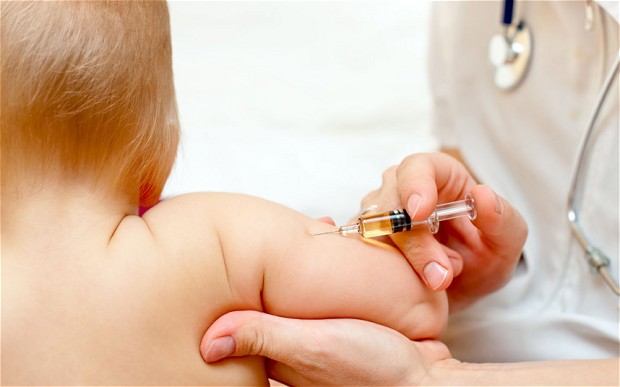
Vaccination is the most effective way to prevent bacterial meningitis. Vaccines are available for several bacteria that cause meningitis, including meningococcal type B. Talk to your pediatrician about:
The recommended vaccination schedule for your child
MenB vaccines specifically protecting against meningococcal type B
Other vaccines that protect against Haemophilus influenzae type b (Hib) and pneumococcal bacteria
Maintaining overall health through natural immune support and good nutrition helps children stay strong, though vaccination remains the cornerstone of meningitis prevention.
Potential Complications
Even with prompt treatment, bacterial meningitis can cause serious long-term problems including:
Hearing loss or deafness
Vision problems
Seizure disorders
Learning disabilities or developmental delays
Brain damage
Motor skill difficulties
Approximately 7 out of 10 children who receive early diagnosis and proper treatment recover without complications, making early recognition of symptoms crucial.
Trust Your Instincts
Parents know their children best. If your baby or toddler is acting differently, seems seriously ill, or you’re worried something is seriously wrong, seek medical attention immediately. Bacterial meningitis is a medical emergency where every minute counts. Supporting your child’s health through strong immune function is valuable, but recognizing danger signs and getting prompt medical care saves lives.
This website uses cookies to improve your experience. We'll assume you're ok with this, but you can opt-out if you wish.AcceptRejectRead More
Privacy & Cookies Policy
Privacy Overview
This website uses cookies to improve your experience while you navigate through the website. Out of these cookies, the cookies that are categorized as necessary are stored on your browser as they are essential for the working of basic functionalities of the website. We also use third-party cookies that help us analyze and understand how you use this website. These cookies will be stored in your browser only with your consent. You also have the option to opt-out of these cookies. But opting out of some of these cookies may have an effect on your browsing experience.