HealthSurgeon - Healthy Living and Fitness - Purium Coupon
Primary Navigation Menu
Molybdenum – Micronutrient
Molybdenum is a trace mineral that is essential for various biological functions in the human body. It is considered a micronutrient because it is required in very small amounts, but it plays a crucial role in maintaining overall health.
Here are some key aspects of molybdenum:
Role in Enzymes:Molybdenum is a cofactor for several enzymes, meaning it is necessary for these enzymes to function properly. One of the most well-known molybdenum-dependent enzymes is sulfite oxidase, which is involved in the metabolism of sulfur-containing amino acids.
Sulfur Amino Acid Metabolism: Molybdenum is primarily involved in the metabolism of sulfur-containing amino acids, such as methionine and cysteine. It helps convert sulfite, a toxic substance, into sulfate, which is excreted from the body. This process is essential for detoxifying sulfite and maintaining the balance of sulfur-containing compounds.
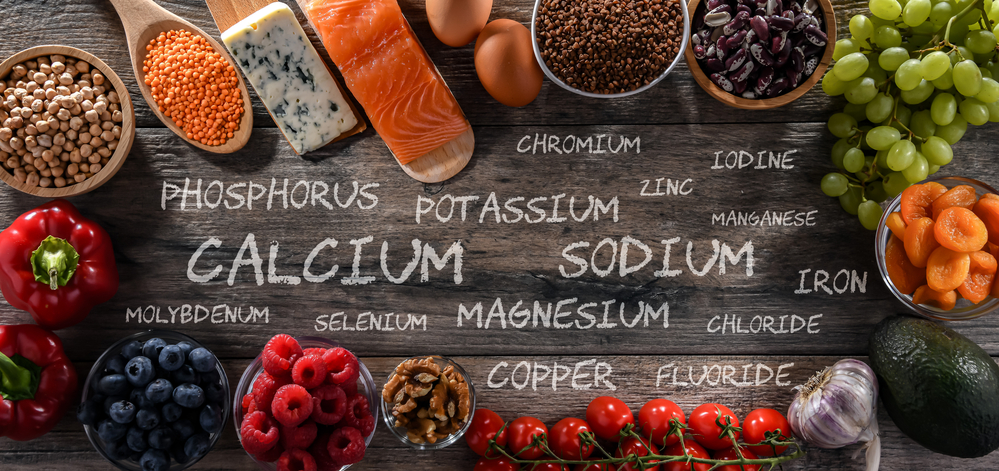
Dietary Sources: Molybdenum can be found in a variety of foods, including legumes (like lentils and beans), grains, nuts, leafy vegetables, and organ meats. In a well-balanced diet, it’s relatively easy to obtain the necessary amount of molybdenum without the need for supplementation.
Recommended Dietary Allowance (RDA): The recommended dietary allowance for molybdenum is relatively small, typically in micrograms (mcg) per day. For adults, it’s around 45 micrograms per day, although individual requirements may vary.
Health Implications: Molybdenum deficiency is rare but can occur in cases of severe malnutrition or certain genetic disorders. It may lead to symptoms such as a buildup of sulfite in the body, resulting in neurological and metabolic issues. However, these deficiencies are quite unusual in well-nourished individuals.
In summary, molybdenum is a trace mineral that plays a crucial role in the metabolism of sulfur-containing amino acids and the detoxification of sulfite. While it’s needed in only small amounts, it’s an essential element for maintaining overall health and is typically obtained through a balanced diet that includes various food sources.
The Recommended Dietary Allowance (RDA) for adult men and women 19+ years is 45 micrograms daily. People 14+ years who are pregnant or lactating require 50 micrograms daily.
Why are micronutrients important for overall health?
Micronutrients, which include vitamins and minerals, are essential for overall health because they play vital roles in numerous physiological processes within the human body.
Here’s why micronutrients are so important:
Enzyme Function: Many vitamins and minerals act as cofactors for enzymes, which are proteins that facilitate chemical reactions in the body. These reactions are critical for processes like energy production, DNA replication, and the breakdown of food for nutrients.
Cellular Function: Micronutrients are essential for the normal functioning of cells, including DNA synthesis and repair, cellular communication, and the regulation of gene expression. They are involved in cell division, growth, and differentiation.
Immune System Support: Certain vitamins and minerals, like vitamin C, vitamin D, and zinc, play key roles in supporting the immune system. They help the body fight off infections and maintain immune function.
Antioxidant Protection: Several micronutrients, such as vitamins A, C, and E, and minerals like selenium and copper, act as antioxidants. They help neutralize harmful free radicals that can damage cells and DNA, reducing the risk of chronic diseases and aging.
Bone Health: Micronutrients like calcium, vitamin D, and vitamin K are crucial for maintaining strong and healthy bones. They support bone formation, density, and repair, reducing the risk of osteoporosis and fractures.
Nervous System Function: B vitamins, including B12, B6, and folate, are essential for nerve function, myelin synthesis, and the production of neurotransmitters. They play a role in cognitive function and mood regulation.
Metabolism: Micronutrients are involved in energy metabolism, helping the body convert food into usable energy. They influence metabolic processes, including the breakdown of carbohydrates, fats, and proteins.
Blood Clotting: Vitamin K is necessary for proper blood clotting. It ensures that when you get a cut or injury, your blood can clot to prevent excessive bleeding.
Heart Health: Certain micronutrients, like magnesium and potassium, are important for maintaining healthy blood pressure and cardiovascular function. They help regulate heart rhythm and muscle contractions.
Skin, Hair, and Eye Health: Vitamins A, C, and E, along with minerals like zinc, contribute to healthy skin, hair, and eyes. They are involved in tissue repair, vision, and maintaining the health of these external structures.
Reproductive Health: Folate (a B vitamin) is essential during pregnancy to prevent birth defects. Other micronutrients are also important for reproductive health, affecting fertility and the development of the fetus.
Inadequate intake of micronutrients can lead to deficiencies, which can cause a range of health problems. On the other hand, maintaining a balanced diet rich in a variety of vitamins and minerals ensures that your body can function optimally, reducing the risk of chronic diseases, promoting growth and development, and supporting overall well-being.
Micronutrients are an integral part of a healthy diet and are necessary for the proper functioning of all bodily systems.
You only need small amounts of micronutrients. Are you getting enough Molybdenum? #HealthSurgeon
This website uses cookies to improve your experience. We'll assume you're ok with this, but you can opt-out if you wish.AcceptRejectRead More
Privacy & Cookies Policy
Privacy Overview
This website uses cookies to improve your experience while you navigate through the website. Out of these cookies, the cookies that are categorized as necessary are stored on your browser as they are essential for the working of basic functionalities of the website. We also use third-party cookies that help us analyze and understand how you use this website. These cookies will be stored in your browser only with your consent. You also have the option to opt-out of these cookies. But opting out of some of these cookies may have an effect on your browsing experience.