HealthSurgeon - Healthy Living and Fitness - Purium Coupon
Primary Navigation Menu
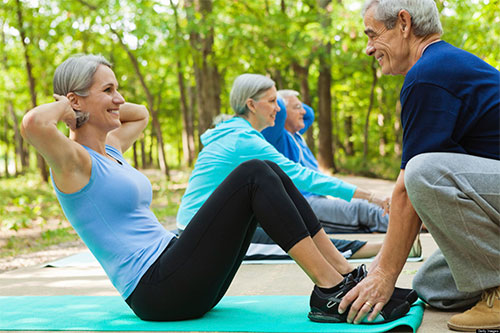
Fitness Workout Exercise Training For Over 60s
Staying Active After 60: Your Complete Fitness Guide
Aging doesn’t mean slowing down completely. While our bodies change after 60, regular exercise remains one of the most powerful tools for maintaining health, independence, and quality of life. Whether you’re new to fitness or have been active for years, understanding how to exercise safely and effectively in your 60s and beyond is essential.
Understanding Your Changing Body
As we age, our metabolism naturally slows down, muscle mass decreases, and recovery takes longer. These changes can affect everything from energy levels to balance and flexibility. However, research shows that regular physical activity can significantly slow these age-related changes and even reverse some of them. The key is choosing the right types of exercise and listening to your body.
Best Exercises for Over 60s
Walking: The Foundation of Fitness
Walking remains the most accessible and effective exercise for seniors. It requires no equipment, can be done anywhere, and provides excellent cardiovascular benefits. Fitness for retirees should prioritize low-impact activities like walking, which strengthens bones, improves circulation, and helps maintain a healthy weight without stressing joints.
Swimming and Water Aerobics
Water-based exercises are ideal for those with joint pain or arthritis. The buoyancy of water supports your body weight, reducing stress on joints while providing resistance to build strength. Many community centers offer senior-specific water aerobics classes that combine social interaction with effective exercise.
Strength Training
Contrary to popular belief, building muscle after 60 is absolutely possible. Light resistance training with bands, small weights, or bodyweight exercises helps maintain bone density, improves balance, and keeps you independent. Building muscle requires consistency and proper nutrition at any age.
Balance and Flexibility Work
Exercises that improve balance—like tai chi, yoga, or single-leg exercises—are crucial for preventing falls, which are a leading cause of injury in seniors. Dedicate at least two sessions per week to balance and stretching exercises.
Nutrition for Active Seniors
Exercise is only half the equation. As digestion slows with age, getting adequate nutrition becomes more challenging. Focus on nutrient-dense foods that are easy to digest. Proper nutrition principles apply at every age, though seniors may need more protein to maintain muscle mass.
Consider incorporating more fruits and vegetables into your diet. Oranges and other citrus fruits provide vitamin C for immune support, while leafy greens support bone health. Many seniors find that smoothies and fresh juices make it easier to consume adequate nutrition when whole foods feel too heavy.
Important Safety Considerations
Before starting any new exercise program, consult with your healthcare provider, especially if you have chronic conditions like heart disease, diabetes, or osteoporosis. Start slowly and gradually increase intensity. Pay attention to warning signs like chest pain, severe shortness of breath, or dizziness, and stop exercising if you experience these symptoms.
Staying hydrated is crucial, as older adults often don’t feel thirsty even when dehydrated. Dehydration and stress can compound each other, affecting both physical and mental performance.
Building a Sustainable Routine
Consistency matters more than intensity. Aim for at least 150 minutes of moderate activity per week, spread across several days. Mix different types of exercise to work different muscle groups and prevent boredom. Find activities you enjoy—whether that’s dancing, gardening, or working in your garden—so you’ll stick with your routine long-term.
This website uses cookies to improve your experience. We'll assume you're ok with this, but you can opt-out if you wish.AcceptRejectRead More
Privacy & Cookies Policy
Privacy Overview
This website uses cookies to improve your experience while you navigate through the website. Out of these cookies, the cookies that are categorized as necessary are stored on your browser as they are essential for the working of basic functionalities of the website. We also use third-party cookies that help us analyze and understand how you use this website. These cookies will be stored in your browser only with your consent. You also have the option to opt-out of these cookies. But opting out of some of these cookies may have an effect on your browsing experience.