HealthSurgeon - Healthy Living and Fitness - Purium Coupon
Primary Navigation Menu
Schizophrenia and Vitamins B3 (Niacin) and Vitamin D: What the Research Says
Can Vitamins B3 and D Play a Role in Schizophrenia?
Schizophrenia affects roughly 1% of people worldwide — that is about 24 million individuals. It is a complex neuropsychiatric condition shaped by genetics, environment, and neurochemistry. For decades, treatment has centered on antipsychotic medications and psychosocial support. But emerging research suggests that certain vitamin deficiencies may be linked to symptom severity, and that addressing those gaps — alongside standard care — could offer meaningful support.
This is not a cure. No one is claiming it is. What the science does point to is this: vitamin D and vitamin B3 (niacin) are deeply involved in brain function, and people with schizophrenia tend to run low on both. That does not mean low vitamins cause the disorder. It may mean that when levels are inadequate, symptoms can worsen.
Vitamin D and the Brain
Vitamin D receptors cluster heavily in brain regions that matter for schizophrenia — the hippocampus, the cortex. These areas regulate mood, memory, and the very neurotransmitters dopamine and serotonin, which are already implicated in the condition.
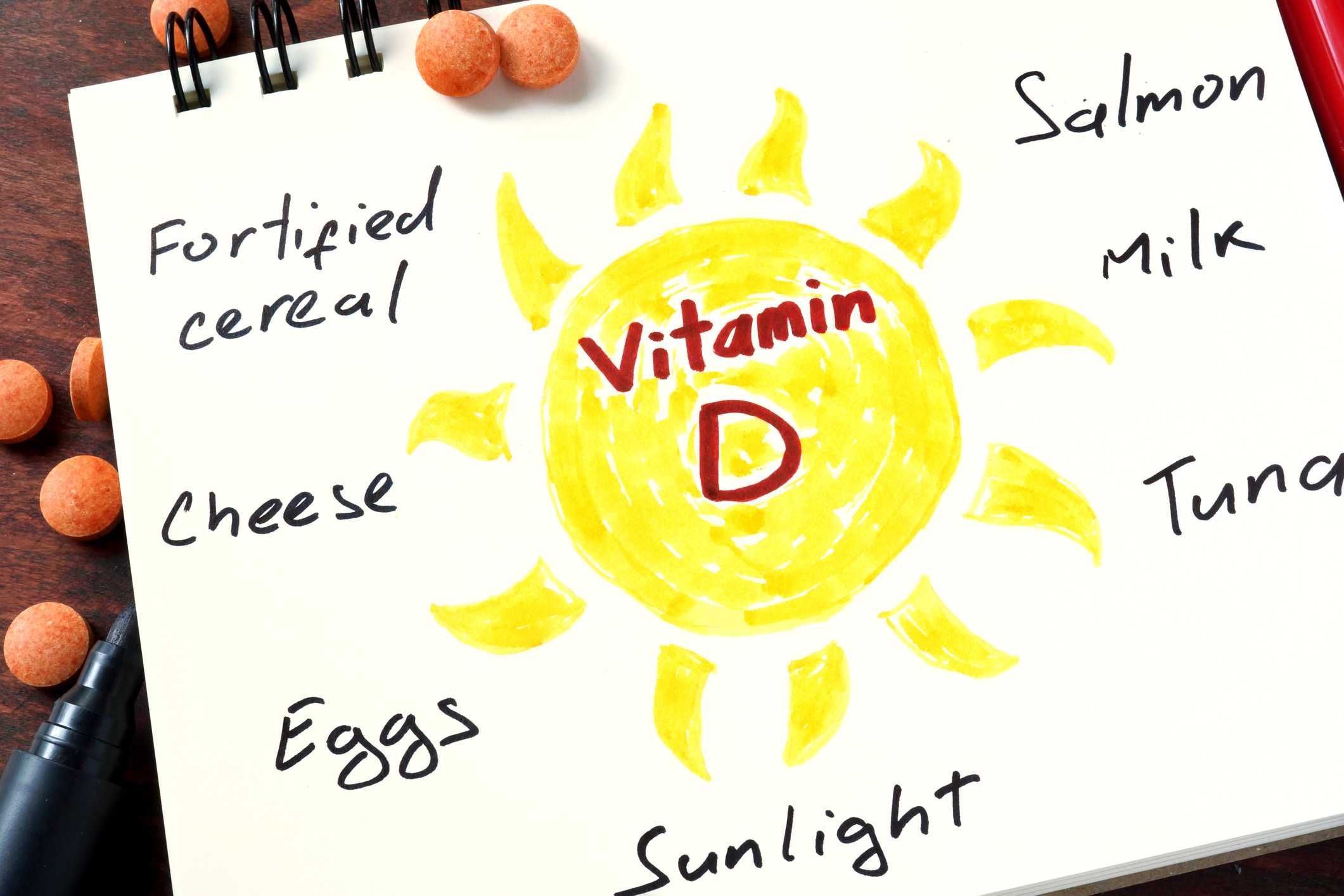
A consistent finding across multiple studies: schizophrenia patients show vitamin D deficiency at rates well above the general population. A meta-analysis found that more than 65% of patients in some cohorts were deficient. People with schizophrenia also tend to spend more time indoors, partly due to social isolation, which makes getting sunlight — the body’s primary vitamin D source — harder still. The Cleveland Clinic has highlighted the link between low vitamin D levels and neurological health concerns, while Harvard Health researchers have explored how vitamin D sufficiency relates to brain function across the lifespan.
The practical takeaway is straightforward: get your levels tested, and get some sunlight when you can. Even 20 to 30 minutes of midday sun on most days can make a difference. Walking outdoors gives you a double benefit — sunlight for vitamin D and physical activity, which itself has documented mental health benefits. If you cannot get enough sun, supplementation under a doctor’s guidance is reasonable.
Vitamin B3 (Niacin) and Mental Health
Niacin is essential for cellular energy production in the brain. It is found in whole grains, lean meats, legumes, and peanuts. B-vitamin deficiencies can contribute to cognitive impairment and fatigue — symptoms that can overlap with or worsen the experience of living with schizophrenia.
Some smaller studies have explored whether high-dose niacin might serve as an adjunct treatment for schizophrenia, with mixed but interesting results. A word of caution: niacin supplements can cause a “flush” reaction — a burning, itching sensation as blood vessels dilate. That is not dangerous, but it is unpleasant. If you are considering niacin supplements, talk to your doctor about dosing and whether sustained-release formulations might help.
A Combined Approach
There is no single intervention here. But putting the pieces together points to a clear pattern:
Eat a diet rich in whole foods that provide natural vitamins
Get regular physical activity — even a one-hour walk daily helps both body and mind
Seek sunlight when possible for natural vitamin D
Get blood tests to check your vitamin levels before starting supplements
Always consult your healthcare team before changing your supplement routine
Nutrition, exercise, and sunlight are powerful complementary approaches. But they complement — they do not replace — medication and professional care. Social engagement matters too. Isolation worsens both vitamin D deficiency and schizophrenia symptoms, so staying connected with others is its own form of medicine.
If you are exploring nutritional approaches to mood and mental health more broadly, our guide on foods that improve mood covers additional dietary strategies worth considering. And for anyone interested in how supplements support brain health, our article on Omega-3 and brain health offers useful context on another well-researched nutrient.
This website uses cookies to improve your experience. We'll assume you're ok with this, but you can opt-out if you wish.AcceptRejectRead More
Privacy & Cookies Policy
Privacy Overview
This website uses cookies to improve your experience while you navigate through the website. Out of these cookies, the cookies that are categorized as necessary are stored on your browser as they are essential for the working of basic functionalities of the website. We also use third-party cookies that help us analyze and understand how you use this website. These cookies will be stored in your browser only with your consent. You also have the option to opt-out of these cookies. But opting out of some of these cookies may have an effect on your browsing experience.