Growing your own herbs is one of the easiest and most rewarding ways to support your health naturally. Herbs require minimal space, grow well in containers or garden beds, and provide powerful health benefits when used fresh or dried. Even beginner gardeners can successfully grow a variety of herbs with little experience, time, or equipment.
This article outlines easy herbs to grow at home, explains their key health benefits, and offers practical tips for getting started. Whether you have a sunny windowsill, balcony, or backyard, these herbs can help you build a small home apothecary while enhancing your meals and overall wellness.
Why Grow Your Own Herbs?
Homegrown herbs offer several advantages:
- Fresh herbs contain higher levels of beneficial compounds
- No pesticides or chemicals
- Cost-effective compared to store-bought herbs
- Easy access for cooking, teas, and remedies
Many herbs also support digestion, immunity, stress reduction, and heart health, making them valuable additions to a healthy lifestyle.
Basil
Why Basil Is Easy to Grow
Basil grows quickly and thrives in warm conditions with plenty of sunlight. It does well in pots or garden beds and benefits from frequent harvesting, which encourages new growth.
Growing tips:
- Full sun (6–8 hours daily)
- Well-drained soil
- Regular watering, but avoid soggy roots
Basil is rich in antioxidants and essential oils that support overall health.
Key benefits include:
- Supports digestion and reduces bloating
- Contains anti-inflammatory compounds
- May help regulate blood sugar levels
- Supports immune function
Fresh basil is especially beneficial when used in salads, sauces, and herbal teas.
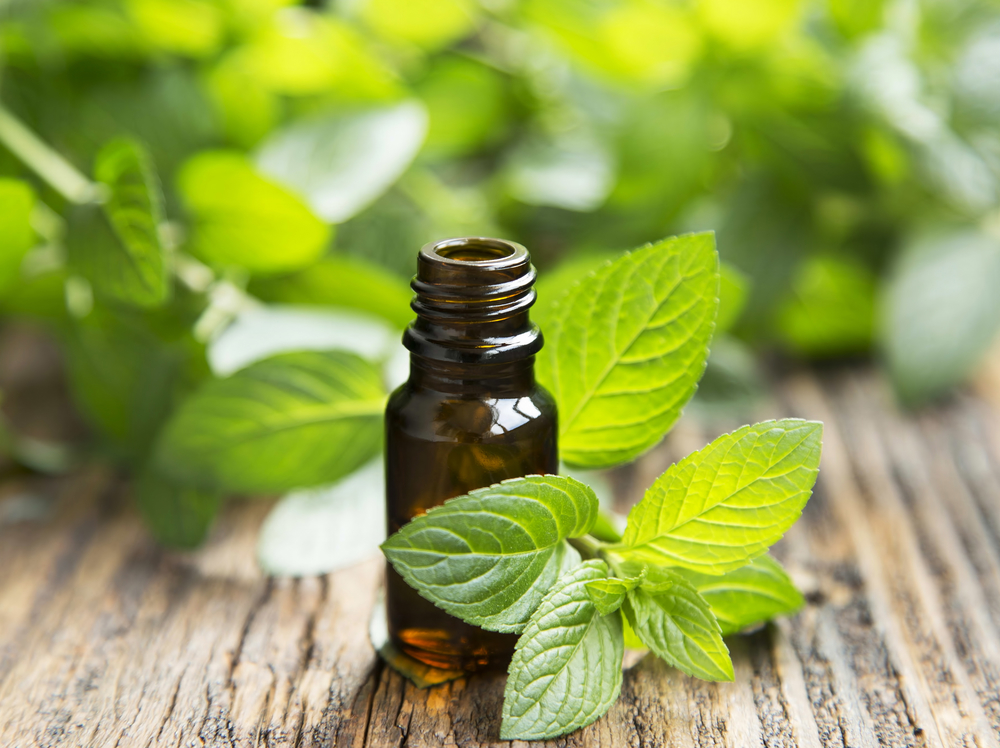
Mint
Why Mint Is Easy to Grow
Mint is one of the hardiest herbs available and grows rapidly in a wide range of conditions. It is best grown in containers because it spreads aggressively.
Growing tips:
- Partial to full sun
- Regular watering
- Container planting recommended
Mint is well known for its soothing effect on the digestive system.
Benefits include:
- Relieves indigestion and gas
- Helps ease nausea
- Supports oral health
- May improve mental alertness
Mint tea is a simple and effective remedy for digestive discomfort.
Rosemary
Why Rosemary Is Easy to Grow
Rosemary is drought-tolerant and thrives in pots or garden beds with good drainage.
Growing tips:
- Full sun
- Well-draining soil
- Avoid overwatering
Rosemary has been traditionally used for cognitive and circulatory health.
Benefits include:
- Supports memory and concentration
- Improves circulation
- Contains antimicrobial properties
- Rich in antioxidants
Rosemary can be used fresh in cooking or brewed into a tea for mental clarity.
Thyme
Why Thyme Is Easy to Grow
Thyme is a low-maintenance herb that tolerates poor soil and dry conditions.
Growing tips:
- Full sun
- Minimal watering once established
- Excellent for container gardens
Health Benefits of Thyme
Thyme has strong antimicrobial and respiratory-supporting properties.
Benefits include:
- Supports immune health
- Helps relieve coughs and congestion
- Contains antibacterial compounds
- Supports gut health
Thyme tea is often used during cold and flu season.
Parsley
Why Parsley Is Easy to Grow
Parsley grows well in pots or garden beds and tolerates cooler temperatures.
Growing tips:
- Partial to full sun
- Consistent watering
- Harvest outer leaves regularly
Health Benefits of Parsley
Parsley is more than just a garnish—it is packed with nutrients.
Benefits include:
- High in vitamin C and vitamin K
- Supports kidney health
- Acts as a mild diuretic
- Supports digestion
Fresh parsley can be added to salads, soups, and smoothies for a nutritional boost.
Chives
Why Chives Are Easy to Grow
Chives are hardy perennials that return year after year and grow well indoors or outdoors.
Growing tips:
- Full sun to partial shade
- Regular watering
- Easy to divide and propagate
Health Benefits of Chives
Chives belong to the allium family and provide many of the same benefits as garlic.
Benefits include:
- Supports heart health
- Contains antioxidants
- May help regulate blood pressure
- Supports immune function
Chives are easy to incorporate into meals without overpowering flavor.
Oregano
Why Oregano Is Easy to Grow
Oregano thrives in warm climates and requires little maintenance once established.
Growing tips:
- Full sun
- Well-drained soil
- Water sparingly
Oregano is one of the most potent medicinal herbs commonly grown at home.
Benefits include:
- Strong antibacterial and antiviral properties
- Supports immune health
- Rich in antioxidants
- Supports respiratory health
Oregano oil is widely used, but fresh oregano offers gentler, daily support.
Lemon Balm
Why Lemon Balm Is Easy to Grow
Lemon balm grows quickly and is part of the mint family, making it very resilient.
Growing tips:
- Partial sun
- Regular watering
- Best grown in containers
Health Benefits of Lemon Balm
Lemon balm is known for its calming effects.
Benefits include:
- Reduces stress and anxiety
- Supports sleep quality
- Helps relieve digestive discomfort
- May support cognitive function
Lemon balm tea is especially popular for relaxation.
Tips for Growing Herbs Successfully
To get the best results:
- Start with healthy plants or seeds
- Use pots with drainage holes
- Harvest regularly to encourage growth
- Avoid overwatering
- Place herbs where they receive adequate sunlight
Indoor herb gardens thrive near bright windows or under grow lights.
How to Use Homegrown Herbs for Health
Herbs can be used in many ways:
- Fresh or dried in cooking
- Brewed into herbal teas
- Infused into oils or vinegars
- Added to smoothies
Using herbs regularly in small amounts provides gentle, ongoing health support.
Final Thoughts
Growing herbs at home is an easy and accessible way to improve both your diet and your health. Many herbs are beginner-friendly, require minimal space, and offer impressive benefits for digestion, immunity, stress management, and heart health.
By starting with just a few easy herbs—such as basil, mint, rosemary, or thyme—you can enjoy fresh flavors while building a foundation for natural wellness. With consistent care and regular use, homegrown herbs can become a valuable part of a healthy lifestyle.
This article is for educational purposes only and does not replace professional medical advice. Always consult a healthcare provider before using herbs medicinally, especially if you are pregnant or taking medications.
Sources:
https://www.gardenary.com/blog/the-best-herbs-to-grow-at-home-for-beginner-gardeners
https://www.daviddomoney.com/how-to-grow-a-beginners-herb-garden/#gsc.tab=0
https://www.escoffier.edu/blog/culinary-arts/5-benefits-of-growing-your-own-herbs/