HealthSurgeon - Healthy Living and Fitness - Purium Coupon
Primary Navigation Menu
The Best Nutrition for Nursing Moms: How to Support Breastfeeding Through Food
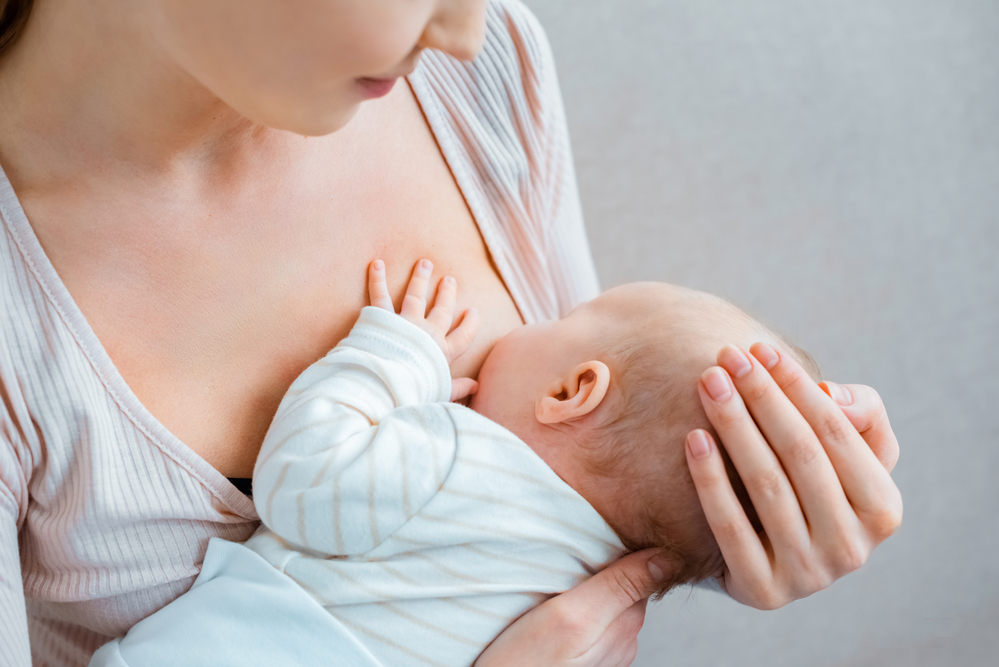
Breastfeeding is a beautiful and demanding journey, providing your baby with vital nutrients while supporting their immune system and development. However, nursing moms often overlook their own nutritional needs during this period of giving, leading to fatigue, nutrient depletion, and even challenges with milk supply.
Proper nutrition while breastfeeding helps:
✅ Support milk production and quality.
✅ Maintain your energy and mood.
✅ Aid in postpartum recovery.
✅ Replenish nutrients lost during pregnancy and delivery.
This guide will help you understand why nutrition is essential during breastfeeding, which nutrients matter most, and how to build a balanced, realistic diet to support your health and your baby’s growth.
Why Nutrition is Critical While Breastfeeding
Breast milk provides a complete source of nutrition for your baby, containing the right balance of fat, protein, carbohydrates, vitamins, minerals, and antibodies. While your body prioritizes milk production, it pulls nutrients from your stores if your diet falls short, increasing the risk of depletion and postpartum fatigue.
Proper nutrition while nursing:
Helps sustain milk quality and supply.
Supports your immune system and hormone balance.
Aids tissue healing and energy restoration after delivery.
Helps manage postpartum hair loss and skin changes.
How Many Calories Do Nursing Moms Need?
Breastfeeding increases your energy needs, requiring an additional 300-500 calories per day depending on your baby’s age and your activity level. This does not mean overeating, but rather choosing nutrient-dense foods to support milk production while maintaining a healthy postpartum weight.
Focus on:
✅ Whole, minimally processed foods.
✅ Adequate hydration (aim for around 3 liters of fluids daily, including water, herbal teas, and milk).
✅ Regular, balanced meals with snacks to stabilize blood sugar and energy.
Milk production requires fluids, and dehydration can affect your milk supply and energy levels. Drink to thirst, but consider a hydration routine, such as drinking a glass of water with each nursing session. Herbal teas like fenugreek, fennel, and ginger may also support hydration and milk supply.
Best Foods for Breastfeeding Moms
Here are nourishing foods to prioritize while nursing:
🥗 Leafy greens: kale, spinach, Swiss chard (calcium, folate, antioxidants).
🐟 Fatty fish: salmon, sardines (omega-3s, vitamin D).
🍳 Eggs: high in protein, choline, and B vitamins.
🥜 Nuts and seeds: almonds, chia, flax (healthy fats, calcium, protein).
🫘 Beans and lentils: plant-based protein, iron, fiber.
🍓 Berries and citrus fruits: vitamin C and antioxidants.
🥣 Whole grains: oats, quinoa, brown rice (fiber and B vitamins).
🥑 Avocado: healthy fats to support hormone balance and satiety.
🥛 Dairy or fortified plant milks: calcium and vitamin D.
High-mercury fish (swordfish, king mackerel, shark).
Excess caffeine (limit to 200-300 mg/day as it can affect your baby’s sleep).
Alcohol: If consumed, wait 2-3 hours before nursing or pumping.
Highly processed and sugary foods, which can affect your energy and blood sugar stability.
Supporting Milk Supply Through Nutrition
While hydration and frequent nursing are the most important factors, certain foods may support milk supply:
✅ Oats: A traditional galactagogue.
✅ Fenugreek and fennel: Found in teas and lactation blends.
✅ Almonds and sesame seeds: Healthy fats and minerals.
✅ Carrots and leafy greens: Nutrient density supports milk production.
Self-Care and Meal Planning Tips
🩷 Eat frequent, balanced meals to maintain energy.
🩷 Batch-cook and freeze meals before or during early postpartum weeks.
🩷 Keep snacks on hand (trail mix, yogurt, fruit) for easy nourishment during cluster feeding days.
🩷 Listen to your hunger and fullness cues, which may vary daily.
🩷 Ask for help from your partner or family to support your nutrition while caring for your baby.
Benefits Beyond Breastfeeding
Eating well while nursing not only supports your baby but also helps you:
By prioritizing nutrient-dense foods and hydration, you are setting the stage for a healthy postpartum recovery while giving your baby the best nutritional start.
Final Thoughts: Nourish Yourself While You Nourish Your Baby
Breastfeeding is a time of giving, bonding, and deep nourishment. Supporting yourself with protein, healthy fats, vitamins, minerals, and hydration helps sustain milk quality and your health while reducing postpartum challenges.
Remember:
✅ Eat whole, colorful foods.
✅ Stay hydrated.
✅ Prioritize nutrient-rich snacks.
✅ Be gentle with yourself.
By focusing on supportive nutrition, you strengthen your body while nurturing your baby, creating a foundation for lifelong health for both of you.
This website uses cookies to improve your experience. We'll assume you're ok with this, but you can opt-out if you wish.AcceptRejectRead More
Privacy & Cookies Policy
Privacy Overview
This website uses cookies to improve your experience while you navigate through the website. Out of these cookies, the cookies that are categorized as necessary are stored on your browser as they are essential for the working of basic functionalities of the website. We also use third-party cookies that help us analyze and understand how you use this website. These cookies will be stored in your browser only with your consent. You also have the option to opt-out of these cookies. But opting out of some of these cookies may have an effect on your browsing experience.