HealthSurgeon - Healthy Living and Fitness - Purium Coupon
Primary Navigation Menu
A Vegan Meal Plan That’s As Simple As It Is Healthy
It is possible to eat healthily without feeling overwhelmed. However, for vegans who find the idea of consuming whole foods too lenient and neglectful, and tracking macronutrients and micronutrients excessive, what is the solution?
This method is designed for emphasizing the consumption of whole foods while prioritizing the best, most effective disease-prevention and health-promoting options on a daily basis instead of focusing on macro- or micronutrients.
This meal plan is not your ordinary one. It serves as a structure that encompasses the seven crucial foods that I aim to include daily in my diet, along with three general meal categories that make it practically effortless to do so. By following this guide and being adaptable, you won’t require a meal plan. Don’t fixate on the seven foods.
In case you have any objections or you consider any important food item is not covered, it is not a problem. You can modify the meals by including your preferred items instead of mine.
Similarly, do not allow the recipes to cause you any anxiety. Rather, view them as guides that can be modified and customized as needed by substituting certain ingredients, removing others, and developing your own versions to introduce diversity and maintain appeal.
My family and I have a way of eating at home that gives us the assurance that we are consuming a highly nutritious plant-based diet, all while steering clear of any stress commonly associated with healthy eating. I trust that you will also find this method to be beneficial.
WHAT IS A VEGAN DIET?
A diet that does not include foods made from or derived from animals is known as a vegan diet. It typically comprises fruits, vegetables, grains, tubers, legumes, herbs, salads, nuts, and seeds, but its significance goes beyond the inclusion of these foods. Although these plants can be consumed either raw or cooked in a straightforward manner, they can also be used to make well-liked dishes such as lasagna and pizza, or transformed into convenience foods like deep-fried “chicken” or decadent cakes.
WHAT IS A WHOLE FOOD PLANT-BASED DIET?
The diet emphasizes whole grains and fresh produce while minimizing refined grains and processed foods. It restricts sugar and completely eliminates animal products. Despite initial perceptions of restriction, there is a wide variety of foods that can be made using whole foods, including pasta, burgers, burritos, and curries. Making small changes, like substituting brown rice for white or soy milk for cow’s milk, can help individuals transition to a whole foods plant-based diet and establish healthy habits along the way.
The Pros
Opting for a vegan diet is highly beneficial for numerous reasons. Many individuals encounter favorable outcomes such as enhanced digestion, clearer skin, and improved sleep patterns. These positive outcomes can happen in as little as 3 weeks. Additionally, a vegan diet is linked to numerous significant health advantages such as decreased occurrences of heart disease, high blood pressure, type 2 diabetes, and certain types of cancer. It’s quite remarkable, don’t you think?
The Cons
As with any alteration in diet or routine, it may take some acclimation and initial effort involving scrutinizing labels, exploring online resources, and organizing plans.
CAN BEING VEGAN HELP WITH WEIGHT LOSS?
It has the potential to.
In a study released by the Journal of the American College of Nutrition, a plant-based diet incorporating whole foods was evaluated against the commonly perceived optimal Mediterranean diet for weight loss. According to the findings, this study showed results within a 16-week time frame.
Participants lost an average of 6 kilograms (or about 13 pounds) on the vegan diet, compared with no mean change on the Mediterranean diet
Participants lost 3.4 kg (about 7.5 pounds) more fat mass on the vegan diet
The vegan diet decreased total and LDL cholesterol levels by 18.7 mg/dL and 15.3 mg/dL, respectively, while there were no significant cholesterol changes on the Mediterranean diet.
HOW CAN VEGANS LOSE WEIGHT FASTER?
It is not advisable to pursue rapid weight loss as it has been observed that dieting is an indication of possible weight gain in the future. Additionally, weight and BMI measurements are not reliable indicators of our overall well-being. Rather than relying on numerical values, we prefer to prioritize our health and wellbeing by paying attention to how we feel. Nonetheless, for individuals who desire to shed some pounds, we have a few helpful suggestions.
Understanding the Concept of Calorie Density
If one aims for sustainable and healthy weight loss, they can use calorie density as a tool to make informed food choices. Foods such as meat, cheese, and oil are on the high end of the calorie density scale, while vegetables have a low calorie density. Jeff Novick, MS, RD suggests that this practical approach to nutrition can lead to lifelong weight management without experiencing hunger, allowing for more food consumption with fewer calories, and being easily comprehensible and achievable.
This method is effective because the majority of individuals consume the same amount of food on a daily basis, resulting in a sense of fullness without excess calories.
Cutting Out Added Oil
Any food has a lower calorie density compared to oil, which has the highest calorie density. Therefore, if we want to reduce the overall calorie density of a meal, we could explore other options to prepare it. For instance, instead of roasting potatoes, we could opt for baking them. Similarly, instead of adding an oil-based dressing to salads, we could try using lemon juice instead.
Controlling the Amount of Starch
There is a variation in the nutritional value of starchy foods. The removal of important nutrients from refined carbohydrates makes them less nutritious. It would be beneficial for our health to substitute products made from white flour, like breads, bagels, pretzels, and pasta, with their wholegrain counterparts whenever feasible. Furthermore, these options are more satiating, hence we need less to feel full.
Get Into Fiber-Rich Foods
Unrefined carbohydrates tend to be high-fiber foods, and fiber is great for our digestion. It is also associated with a lower risk of heart disease, stroke, type 2 diabetes and bowel cancer. Fiber helps us feel fuller for longer and so reduces snacking. It is found in wholegrain pasta, breakfast cereals, and bread, as well as potato skins, pulses, and vegetables.
Avoiding Caloric Beverages
Calories from sodas, beers, wines, and fruit juices are not conducive to a healthy diet. There are alternative options that can be just as delicious and revitalizing, such as water infused with cucumber, lemon or lime, and fresh mint.
Cut Out Vegan Convenience Foods
Being vegan doesn’t necessarily make donuts and fries healthy. It’s common knowledge that consuming these types of foods regularly isn’t good for our bodies. Minimizing our intake of such foods could lead to improved physical well-being.
Exercising (or As We Prefer to Call It, Joyful Movement)
According to Sandra Aamodt, author of Why Diets Make Us Fat, exercise is a beneficial factor for weight loss. However, many people have negative associations with exercise, such as punishment, pain, boredom, or bullying, causing them to be hesitant to participate. Therefore, it is important to forget those misconceptions and focus on finding enjoyable physical activities. These could include dancing, swimming, wheelchair basketball, team sports such as rugby or basketball, hiking alone, or even trying new activities like kayaking, kung fu, or skateboarding. By engaging in activities that bring joy, sustainable habits can be formed, leading to positive and impactful changes in one’s life.
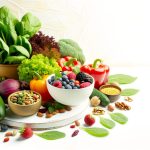
Raw and cooked, make sure to eat the foods that are the most micronutrient dense with the highest ANDI scores. Despite being the healthiest foods available, they are also the easiest to neglect. Therefore, consume them frequently.
2. Berries & Other Fruits
Consuming a mere quarter-cup of nuts on a daily basis can increase your lifespan by two years! Omega-3s are abundant in flaxseeds and walnuts, and flaxseeds have antiangiogenic properties.
3. Flaxseeds & Other Nuts/Seeds
According to a study by the American Institute for Cancer Research in 2007, it is recommended to include beans in every meal as they are a staple food in the diets of the world’s longest-living cultures.
4. Onions & Garlic
tea contains an impressive amount of antioxidants, and certain advantageous phytochemicals such as ECGC are only found in the tea plant. If caffeine is not your thing, herbal teas also offer great benefits.
5. Beans
Opt for organic if you can, as these fruits boast brightly colored hues due to their potent anti-inflammatory, anti-oxidant, and anti-cancer attributes.
6. Turmeric
Chopping onions and garlic 15 minutes before cooking can maximize their benefits in reducing the risk of certain cancers by 50-88%. Consuming half a cup of onions daily also helps in this regard.
7. Green or White Tea
Due to the presence of curcumin, turmeric can provide protection against cancer and heart disease, and also has the potential to halt their progression. Whether in its fresh form or ground, it is a beneficial addition to one’s diet.
Additional Foods
Certain significant foods have been left out of this list not because they are less significant than the ones mentioned, but because they can be effortlessly obtained by consuming a diet based on whole plant foods, which is why there is no need to emphasize them here.
3 MEALS THAT MAKE IT EASY
After learning about the seven foods that are worth consuming every day, it can be challenging to figure out how to integrate them into your daily meals. While it’s simple to understand what is beneficial to eat, it’s much more demanding to put it into action. Therefore, I have developed three versatile meals that make it simple to incorporate several of these seven foods. The best part is that these are probably meals you already prepare, so you only have to learn how to utilize the 7 foods within them.
1. Smoothie or Oatmeal
By having a simple morning smoothie, you can consume multiple food items at the beginning of your day. With a smoothie, you can effortlessly obtain:
Create a hearty lunch by combining a variety of veggies with beans and a generous amount of leafy greens. Finish it off with a nut-based dressing such as cashew ranch or tahini-garlic. Some options for ingredients to include in your salad are:
Greens
Cruciferous Vegetables
Onions (pickled, scallions, etc.)
Beans
Nuts & Seeds
Turmeric
Fruits
Whole Grains
3. A Grain, a Green, and a Bean
You can create an array of meal options by basing your dinner on “a grain, a green, and a bean.” Consider dishes such as burritos, tacos, soups, pastas, and curries, and aim to incorporate onions or garlic whenever possible. The following are a selection of foods you can enjoy in this type of meal:
Whole grains
Greens
Beans
Onions & Garlic
Mushrooms
Turmeric
Cruciferous & Other Vegetables
Nuts & Seeds
THE PERFECT DAY
Let’s combine everything. Here’s a glimpse into my perfect food day, which includes each of the seven foods at least once, as well as several portions of whole grains and, on many occasions, mushrooms (two other contenders that could be considered everyday foods).
For breakfast, you may have a smoothie accompanied by water, coffee, or tea.
A fruit, perhaps with the addition of nut butter, may be consumed as a morning snack along with tea.
For lunch, you can have a huge salad with beans and a dressing made from nuts. You also have the option to include a side of whole grains such as rice, quinoa, or whole wheat bread.
Have a healthy afternoon snack by enjoying hummus with vegetables or whole grain options such as crackers or bread, along with a cup of tea.
For dinner, begin with a base of onion and garlic and include a grain, a green, and a bean.
Whole-food, plant-based diets are rich in several micronutrients, they usually lack in B12, D3, and DHA/EPA.
This website uses cookies to improve your experience. We'll assume you're ok with this, but you can opt-out if you wish.AcceptRejectRead More
Privacy & Cookies Policy
Privacy Overview
This website uses cookies to improve your experience while you navigate through the website. Out of these cookies, the cookies that are categorized as necessary are stored on your browser as they are essential for the working of basic functionalities of the website. We also use third-party cookies that help us analyze and understand how you use this website. These cookies will be stored in your browser only with your consent. You also have the option to opt-out of these cookies. But opting out of some of these cookies may have an effect on your browsing experience.