HealthSurgeon - Healthy Living and Fitness - Purium Coupon
Primary Navigation Menu
Parkinson’s Disease and Paraquat
Paraquat, a widely used herbicide, has been linked to an increased risk of developing Parkinson’s disease. Here are the key points about the connection between paraquat and Parkinson’s:
What is Paraquat?
Paraquat is a highly toxic herbicide used to control weeds and grasses. Due to its effectiveness and fast-acting properties, it has been used extensively in agriculture worldwide. However, its use is restricted or banned in many countries due to its high toxicity and potential health risks.
Research has suggested a potential link between paraquat exposure and an increased risk of developing Parkinson’s disease. The main points of this connection include:
Mechanisms of Toxicity
Oxidative Stress: Paraquat induces the production of reactive oxygen species (ROS), leading to oxidative stress and damage to cells, including neurons.
Mitochondrial Dysfunction: Paraquat disrupts mitochondrial function, impairing energy production and leading to cell death, particularly in dopamine-producing neurons.
Neuroinflammation: Exposure to paraquat can trigger inflammatory responses in the brain, contributing to neuronal damage and degeneration.
Epidemiological Evidence
Occupational Exposure: Studies have shown that individuals who work with paraquat, such as farmers and agricultural workers, have a higher risk of developing Parkinson’s disease compared to the general population.
Geographical Correlation: Regions with high paraquat usage have reported higher incidences of Parkinson’s disease.
Case-Control Studies: Research comparing individuals with Parkinson’s disease to those without the disease has found that those with the disease are more likely to have been exposed to paraquat.
Regulatory Actions
Due to the potential health risks, including the association with Parkinson’s disease, several countries have banned or restricted the use of paraquat. For example:
European Union: Banned the use of paraquat in 2007.
United States: Restricted use and implemented regulations requiring special training and certification for applicators.
Preventive Measures
To minimize the risk of paraquat exposure and its potential link to Parkinson’s disease, the following measures can be taken:
Protective Gear: Using appropriate protective equipment, such as gloves, masks, and protective clothing, when handling paraquat.
Training and Awareness: Providing education and training for individuals who work with paraquat to ensure safe handling and application practices.
Alternative Herbicides: Promoting the use of less toxic alternatives to paraquat for weed control in agriculture.
Conclusion
While more research is needed to fully understand the connection between paraquat and Parkinson’s disease, existing evidence suggests a significant association. Reducing exposure to paraquat through regulatory measures, safe handling practices, and the use of alternative herbicides can help mitigate this risk.
Parkinson’s Disease Overview
Parkinson’s disease is a progressive neurological disorder that primarily affects movement. It results from the degeneration of neurons in a specific area of the brain called the substantia nigra, which leads to a decrease in the neurotransmitter dopamine. Dopamine is essential for smooth, coordinated muscle movements. Here are key aspects of Parkinson’s disease:
Symptoms
The symptoms of Parkinson’s disease typically develop gradually and can vary in severity. They are usually divided into motor and non-motor symptoms:
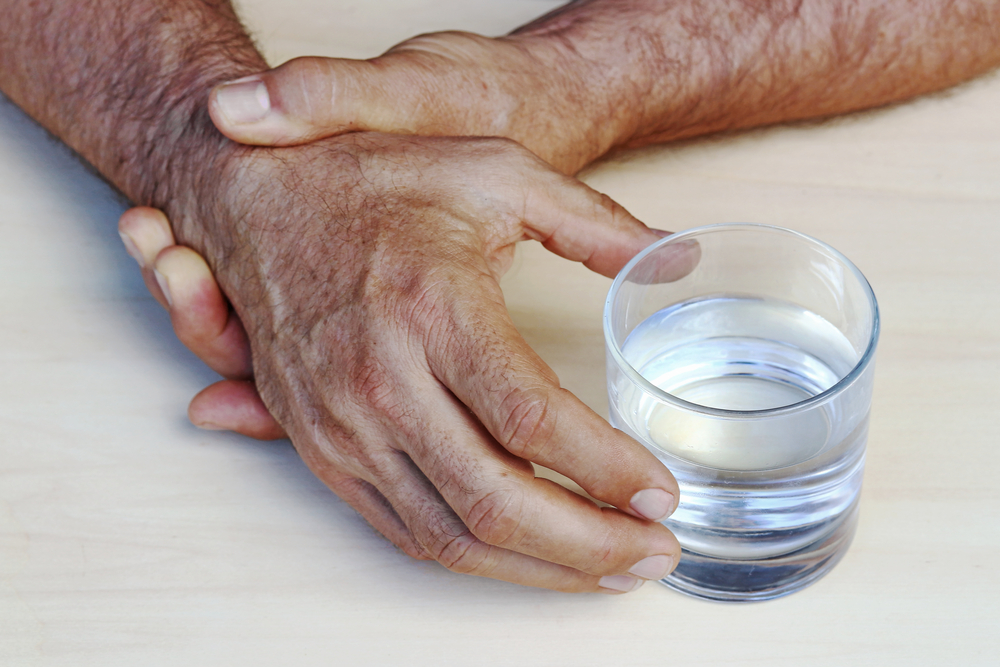
Tremor: Shaking, often starting in a limb, commonly in the hands or fingers. This tremor usually occurs at rest and may diminish with purposeful movement.
Bradykinesia: Slowness of movement, making simple tasks difficult and time-consuming. This can manifest as a reduced ability to initiate movements or a general decrease in spontaneous movements.
Rigidity: Muscle stiffness that can occur in any part of the body, leading to pain and limited range of motion.
Postural Instability: Impaired balance and coordination, which increases the risk of falls.
Gait Changes: Shuffling walk with small steps, reduced arm swing, and difficulty turning.
Non-Motor Symptoms
Cognitive Impairment: Problems with memory, attention, and problem-solving. In advanced stages, some individuals may develop Parkinson’s disease dementia.
Mood Disorders: Depression, anxiety, and apathy.
Sleep Disturbances: Insomnia, restless legs syndrome, and REM sleep behavior disorder.
Autonomic Dysfunction: Issues such as constipation, urinary problems, blood pressure fluctuations, and excessive sweating.
Sensory Symptoms: Loss of sense of smell (anosmia) and pain.
Causes and Risk Factors
The exact cause of Parkinson’s disease is unknown, but it is believed to result from a combination of genetic and environmental factors. Key risk factors include:
Age: Risk increases with age, especially after 60.
Genetics: A family history of Parkinson’s disease increases the risk. Several genetic mutations have been linked to the disease.
Gender: Men are more likely to develop Parkinson’s disease than women.
Environmental Factors: Exposure to certain toxins and pesticides may increase the risk.
Diagnosis
Diagnosis is primarily based on medical history and neurological examination. There are no definitive tests for Parkinson’s disease, but the following can aid in diagnosis:
Clinical Evaluation: Neurological examination to assess motor symptoms and response to Parkinson’s medications.
Imaging Tests: MRI or PET scans may be used to rule out other conditions.
Laboratory Tests: Blood tests to exclude other causes of symptoms.
Treatment
There is no cure for Parkinson’s disease, but treatments can help manage symptoms and improve quality of life. Treatment options include:
Medications
Levodopa/Carbidopa: The most effective medication for controlling motor symptoms by increasing dopamine levels.
Dopamine Agonists: Mimic the effects of dopamine in the brain.
MAO-B Inhibitors: Help prevent the breakdown of dopamine.
COMT Inhibitors: Extend the effect of levodopa by blocking an enzyme that breaks down dopamine.
Anticholinergics: Help control tremors and rigidity.
Surgical Treatments
Deep Brain Stimulation (DBS): Involves implanting electrodes in specific parts of the brain to reduce symptoms.
Lesioning Procedures: Creating small, targeted areas of damage in the brain to alleviate symptoms.
Lifestyle and Supportive Therapies
Physical Therapy: Improves mobility, flexibility, and balance.
Occupational Therapy: Helps with daily living activities.
Speech Therapy: Addresses speech and swallowing difficulties.
Exercise: Regular physical activity can help manage symptoms and improve overall well-being.
Support Groups and Counseling: Provide emotional support and coping strategies.
Research and Future Directions
Ongoing research aims to better understand the causes of Parkinson’s disease, develop new treatments, and ultimately find a cure. This includes studying genetic factors, exploring neuroprotective therapies, and developing advanced surgical techniques.
This website uses cookies to improve your experience. We'll assume you're ok with this, but you can opt-out if you wish.AcceptRejectRead More
Privacy & Cookies Policy
Privacy Overview
This website uses cookies to improve your experience while you navigate through the website. Out of these cookies, the cookies that are categorized as necessary are stored on your browser as they are essential for the working of basic functionalities of the website. We also use third-party cookies that help us analyze and understand how you use this website. These cookies will be stored in your browser only with your consent. You also have the option to opt-out of these cookies. But opting out of some of these cookies may have an effect on your browsing experience.