
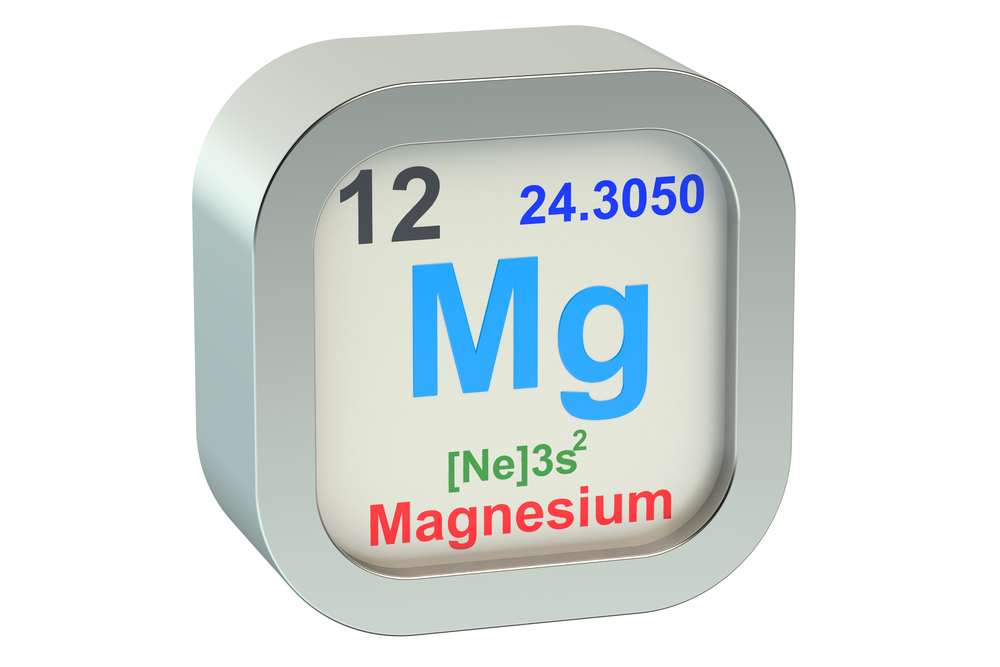
Magnesium is a nutrient your body needs for many different things. It is an electrolyte that helps your body with bone health, cardiovascular function, neurotransmission, energy production, muscle function, blood pressure regulation, helps regulate blood sugar, and digest fatty acids. Most of your magnesium is stored in your bones. The gastrointestinal and renal systems are in charge of regulating and controlling how much magnesium your body absorbs and what then is excreted through your urine.
Most people get magnesium from what they eat. Good sources of magnesium are Brazil nuts, cooked spinach, pumpkin seeds, black beans, almonds, cashews, dried figs, dark chocolate, and avocados. A normal level of magnesium in your blood is 1.7-2.3 milligrams per deciliter. You can have low magnesium, hypomagnesemia, or high magnesium, hypermagnesemia.
There are health problems that can raise or lower the amount of magnesium in your body. Conditions like chronic kidney disease, uncontrolled diabetes, alcohol use disorder, malabsorption syndrome, malnutrition, chronic diarrhea, or low levels of potassium and calcium. Medications that can raise and lower the amount of magnesium in your body are diuretics, certain antibiotics, proton pump inhibitors, aspirin, lithium, laxatives, or antacids.
Hypermagnesemia is rare. It occurs usually when your kidneys are not functioning properly. This can be because of kidney disease or your kidneys failing. You are at a higher risk for this if you take antacids or laxatives regularly. Other things that can cause hypermagnesemia are hypothyroidism, Addison’s disease, or cortico-adrenal insufficiency. Symptoms of hypermagnesemia are nausea, vomiting, diarrhea, headache, or flushing. In severe cases where magnesium levels are extremely high it can cause low blood pressure, heart arrhythmias, confusion, weakness, and lack of energy.
There are multiple tests that can be run to test what your magnesium levels are. Magnesium levels are not part of a normal blood panel test, but your doctor can order a blood test to check your magnesium levels. Your doctor may suggest checking your magnesium levels if they suspect you have kidney disease, diabetes, GI issues which can impair the absorption of magnesium, or if you consume excessive amounts of alcohol. Other reasons to check your magnesium levels are to follow up on symptoms like nerve, muscle problems, heart rhythm issues, low blood pressure, nausea, vomiting, or chronic diarrhea. Monitoring medications, monitoring calcium and potassium levels, and monitoring magnesium supplementation can require a magnesium check as well. This is done by a lab tech taking a blood sample from a vein in your arm with a needle. This sample will be sent to a lab where they will be able to check the levels of magnesium in your bloodstream. A urine test can be done as well. This is done usually over a 24 hour period. This is because your magnesium levels in your urine can go up and down throughout the day. A red blood cell count test can be done. It is more sensitive of a test to check for low levels of magnesium. A magnesium EXA test is done by your doctor taking a swipe of the inside of your cheek. Those cells are sent to the lab to be examined to see the different amounts of energy in each cell. This can help determine magnesium levels as well.
The main treatment is to identify and stop the source that is causing the extra magnesium in your system. If you have kidneys that function properly reversing either hypomagnesemia or hypermagnesemia is usually easy without too many complications. In some cases an IV calcium supply may be used to help reverse symptoms like impaired breathing, irregular heartbeat, and hypotension. Diuretics, or water pills, can be used to help assist your kidneys to flush out the excess magnesium in your system. If you have kidney disease or are in kidney failure you may need to undergo dialysis to help filter out the excess magnesium. Dialysis helps your kidneys filter your blood when they are no longer functioning properly.
If renal function is normal levels of magnesium are usually treatable once you have found the source or cause of what is throwing your levels off. With kidneys that are not functioning properly it can be harder to treat. You can usually achieve the right amount of magnesium through a well balanced diet. Conditions and medications can cause your magnesium levels to rise or lower. Symptoms of low or high magnesium can range from mild to serious. It is important to check your levels if you suspect that you may have an imbalance in your magnesium levels. Finding the route cause can be key to getting your levels back balanced.
Purium products that contain Magnesium:
Sources:
https://www.medicalnewstoday.com/articles/318326#What-causes-hypermagnesemia
https://www.merckmanuals.com/home/hormonal-and-metabolic-disorders/electrolyte-balance/hypermagnesemia-high-level-of-magnesium-in-the-blood
https://www.webmd.com/a-to-z-guides/magnesium-test