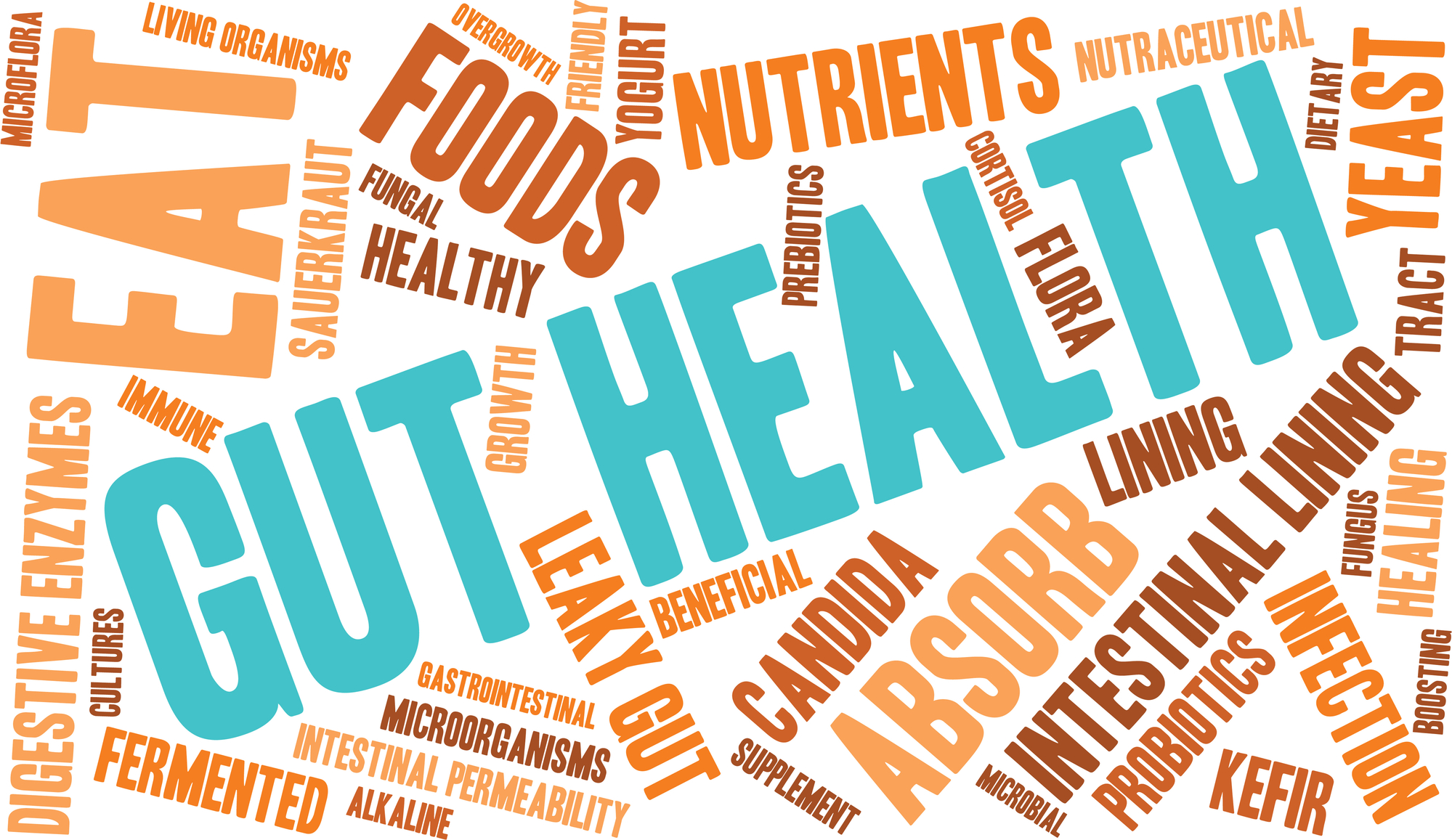

In recent years, gut health has taken center stage in the world of wellness — and for good reason. A balanced gut microbiome supports everything from digestion and immunity to mood and metabolism. But what happens when this balance is disrupted? The answer is dysbiosis, a condition that’s becoming increasingly common due to modern lifestyles. Understanding dysbiosis and how to correct it naturally can be a game-changer for your overall health.
In this article, we’ll explore what dysbiosis is, why it matters, its symptoms, causes, and most importantly, how you can begin to heal your gut using natural, holistic strategies.
What Is Dysbiosis?
Dysbiosis is an imbalance in the composition of the gut microbiota — the trillions of bacteria, fungi, and other microbes that live in your digestive tract. In a healthy gut, beneficial microbes outnumber and outcompete the harmful ones, keeping everything in harmony. When this balance is disturbed, harmful organisms can proliferate, leading to inflammation, poor digestion, and a cascade of systemic effects.
Dysbiosis can occur in various parts of the body, including the mouth, skin, and vaginal tract, but the gut is where it has the most profound impact.
Why Gut Health Is So Important
Your gut microbiome does more than just help you digest food. It plays a central role in:
- Nutrient absorption
- Immune system regulation
- Inflammation control
- Mood and brain function (via the gut-brain axis)
- Hormone metabolism
- Weight management
When your gut microbiome is out of balance, it can disrupt these functions and lead to both gastrointestinal and systemic health problems.
Common Causes of Dysbiosis
There are many reasons why dysbiosis can develop, and most stem from common aspects of modern life:
- Poor Diet
- Diets high in sugar, refined carbohydrates, processed foods, and artificial sweeteners can feed harmful bacteria.
- Lack of fiber deprives beneficial bacteria of their preferred fuel source (prebiotics).
- Antibiotics and Medications
- Antibiotics kill both harmful and beneficial bacteria.
- Medications like NSAIDs, PPIs (acid blockers), and birth control pills can also alter gut flora.
- Chronic Stress
- Stress can weaken the intestinal barrier and shift the balance of bacteria toward more harmful species.
- Environmental Toxins
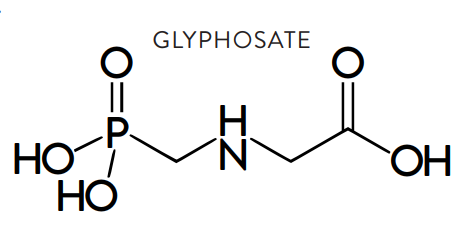
- Exposure to pesticides, heavy metals, and other pollutants can disrupt microbial balance.
- Lack of Sleep and Sedentary Lifestyle
- Poor sleep and inactivity are linked to changes in gut microbiota diversity.
Symptoms of Dysbiosis
Because the gut influences so many systems, dysbiosis symptoms can be widespread. Common signs include:
- Bloating, gas, and abdominal discomfort
- Constipation or diarrhea
- Food intolerances or sensitivities
- Fatigue and brain fog
- Skin conditions like acne, eczema, or rosacea
- Frequent infections or weak immunity
- Mood swings, anxiety, or depression
- Autoimmune flare-ups
- Sugar cravings or unexplained weight gain
If these symptoms persist, a stool test or comprehensive gut panel from a holistic practitioner can help confirm dysbiosis.
Natural Ways to Heal Dysbiosis
The good news is that dysbiosis is not only reversible, but many people see improvements within weeks of adopting the right strategies. Here’s a natural approach to rebalancing your microbiome:
- Remove Gut Disruptors
Start by eliminating foods and substances that feed harmful microbes:
- Sugar, processed foods, and artificial sweeteners
- Alcohol and caffeine in excess
- Gluten and dairy (if sensitive)
- Chronic exposure to pesticides (opt for organic when possible)
You may also need to reduce or stop non-essential medications under professional guidance.
- Support Digestive Function
Healthy digestion helps maintain a proper pH in the gut, supporting the growth of beneficial bacteria.
- Digestive enzymes or apple cider vinegar before meals can aid stomach acid production.
- Consider bitters or herbal teas like ginger, fennel, and peppermint to enhance digestive secretions.
- Add Probiotic-Rich Foods
Repopulate your gut with good bacteria by consuming fermented foods regularly:
- Yogurt (unsweetened, preferably organic)
- Kefir
- Sauerkraut
- Kimchi
- Miso
- Kombucha
If needed, you can also take a high-quality probiotic supplement, but food-based sources are more diverse and natural.
- Feed Your Good Bacteria (Prebiotics)
Beneficial bacteria thrive on prebiotic fibers found in:
- Garlic
- Onions
- Leeks
- Asparagus
- Bananas (especially green bananas)
- Chicory root
- Dandelion greens
- Whole grains like oats and barley
Start slowly to avoid gas and bloating as your gut adapts.
- Use Antimicrobial Herbs (If Needed)
If your dysbiosis is more severe, herbal antimicrobials may be necessary to reduce pathogenic bacteria or yeast:
- Oregano oil
- Berberine
- Grapefruit seed extract
- Garlic extract
- Black walnut hull
These should be used under the guidance of a holistic practitioner, as they can disrupt beneficial bacteria if misused.
- Repair the Gut Lining
Dysbiosis often accompanies or causes leaky gut (intestinal permeability). Healing the gut lining is essential for full recovery:
- L-glutamine is a key amino acid that helps repair intestinal cells.
- Aloe vera, marshmallow root, and slippery elm soothe and protect the gut lining.
- Collagen or bone broth supports tissue repair.
- Manage Stress and Sleep
The gut-brain connection means that mental wellness directly affects your microbiome.
- Practice meditation, yoga, or deep breathing daily.
- Prioritize 7–9 hours of quality sleep each night.
- Get regular physical activity — even light exercise like walking boosts microbiome diversity.
Long-Term Maintenance and Prevention
Healing dysbiosis isn’t a one-time fix — it’s a lifestyle shift. Once your symptoms improve, continue to:
- Eat a plant-rich, diverse diet
- Avoid unnecessary antibiotics or medications
- Stay hydrated and active
- Keep stress in check
Rotating fermented foods and periodically taking probiotics can also help keep your gut in balance.
Happy gut, happy life! Purium’s superfoods-powered Gut Health Pack!
Final Thoughts: A Healthy Gut, A Healthy You
Dysbiosis is a silent disruptor of health, but with the right natural approach, the gut can often rebalance itself. By removing inflammatory triggers, nourishing beneficial microbes, and supporting digestion, you empower your body to heal from within.
The gut is not just the center of digestion — it’s a cornerstone of immunity, mood, energy, and disease prevention. Nurture it, and it will nurture you in return.
READ MORE: NSAIDs & Stomach Ulcers
Sources:
https://my.clevelandclinic.org/health/diseases/dysbiosis
https://www.news-medical.net/health/Dysbiosis-Diagnosis.aspx
https://www.uchealth.org/today/improving-gut-health-improves-all-aspects-of-your-health/