HealthSurgeon - Healthy Living and Fitness - Purium Coupon
Primary Navigation Menu
1 in 10 Men Suffer from Bigorexia (Muscle Dysmorphia)
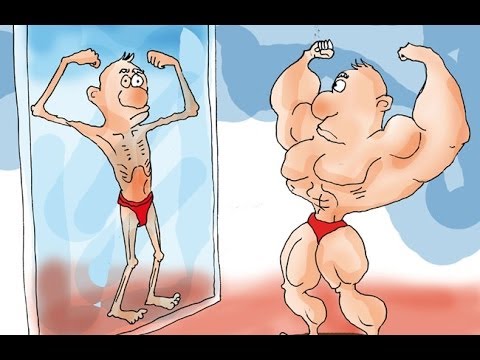
Behind the quest for the perfect physique lies a hidden struggle affecting approximately one in ten men: muscle dysmorphia, often called “bigorexia.” This body image disorder transforms healthy fitness goals into an obsessive, destructive pursuit that can devastate mental health, relationships, and overall wellbeing.
Understanding Muscle Dysmorphia
Muscle dysmorphia is now recognized as a subtype of body dysmorphic disorder (BDD) in the DSM-5. Unlike typical eating disorders that focus on being thin, individuals with muscle dysmorphia obsess over being insufficiently muscular or “too small,” despite often having above-average muscle mass.
According to research published in PMC, the condition predominantly affects young men aged 18-35, with prevalence estimates suggesting 10% or more of men who regularly engage in weightlifting may experience symptoms. The disorder can occur in anyone who exercises, but it’s particularly common in bodybuilding and fitness communities.
Warning Signs and Symptoms
Recognizing muscle dysmorphia requires understanding its key characteristics:
Obsessive body checking: Constantly examining muscles in mirrors, taking photographs, or comparing body size to others
Compulsive exercise: Training despite injury, illness, or other commitments; severe anxiety when missing workouts
Extreme dietary restriction: Rigid meal timing, obsessive macro tracking, elimination of entire food groups
Social withdrawal: Avoiding situations where body might be visible; declining social events that conflict with workout schedules
Distorted self-perception: Seeing oneself as small or weak despite objective evidence of significant muscle mass
One of the most serious complications of muscle dysmorphia is anabolic steroid use. Research in NCBI indicates that individuals with muscle dysmorphia are significantly more likely to use performance-enhancing drugs in pursuit of their ideal body.
Anabolic steroids carry severe health risks including cardiovascular disease, liver damage, hormonal disruption, and psychiatric effects. The pressure to achieve an unrealistic physique can trap individuals in a cycle where steroids seem like the only solution to perceived inadequacy.
For those seeking to build muscle naturally and sustainably, clean protein sources support healthy muscle development without the risks associated with questionable supplements or performance-enhancing substances.
Psychological Impact and Consequences
The mental health toll of muscle dysmorphia extends far beyond the gym. Individuals often experience:
Depression and severe anxiety, particularly around body image
Social isolation due to rigid exercise and meal schedules
Relationship breakdown when fitness obsession supersedes personal connections
Career and educational setbacks from prioritizing training over responsibilities
In severe cases, suicidal ideation
Understanding the connection between exercise, mental health, and overall wellbeing is crucial. Physical activity should enhance life, not dominate it. Learn more about the mental health benefits of balanced exercise.
Treatment and Recovery
Recovery from muscle dysmorphia typically involves several approaches:
Cognitive Behavioral Therapy (CBT) helps individuals identify and challenge distorted thoughts about their body and reframe their relationship with exercise and nutrition.
Medication such as SSRIs can help manage underlying anxiety and depression that often accompany the disorder.
Nutritional support helps individuals develop a healthier relationship with food. Whole-food nutrition that supports body composition goals without obsessive restriction can be part of recovery.
Natural approaches to managing anxiety and depression can complement professional treatment, though they should never replace it.
Finding Balance
The line between dedicated fitness pursuit and clinical disorder isn’t always clear. Healthy bodybuilding and strength training involve goal-setting, discipline, and structured training—all positive traits. The difference lies in flexibility, life balance, and emotional wellbeing.
If fitness obsession is causing distress, interfering with relationships or responsibilities, or leading to dangerous behaviors like steroid use, professional help is essential. Early intervention significantly improves outcomes.
Muscle dysmorphia is a treatable condition, but recovery requires acknowledging the problem and seeking appropriate care. True strength includes the courage to ask for help when the pursuit of physical perfection becomes psychologically destructive.
This website uses cookies to improve your experience. We'll assume you're ok with this, but you can opt-out if you wish.AcceptRejectRead More
Privacy & Cookies Policy
Privacy Overview
This website uses cookies to improve your experience while you navigate through the website. Out of these cookies, the cookies that are categorized as necessary are stored on your browser as they are essential for the working of basic functionalities of the website. We also use third-party cookies that help us analyze and understand how you use this website. These cookies will be stored in your browser only with your consent. You also have the option to opt-out of these cookies. But opting out of some of these cookies may have an effect on your browsing experience.