HealthSurgeon - Healthy Living and Fitness - Purium Coupon
Primary Navigation Menu
What Is Insomnia? Causes, Symptoms, and 10 Expert-Backed Tips for Better Sleep
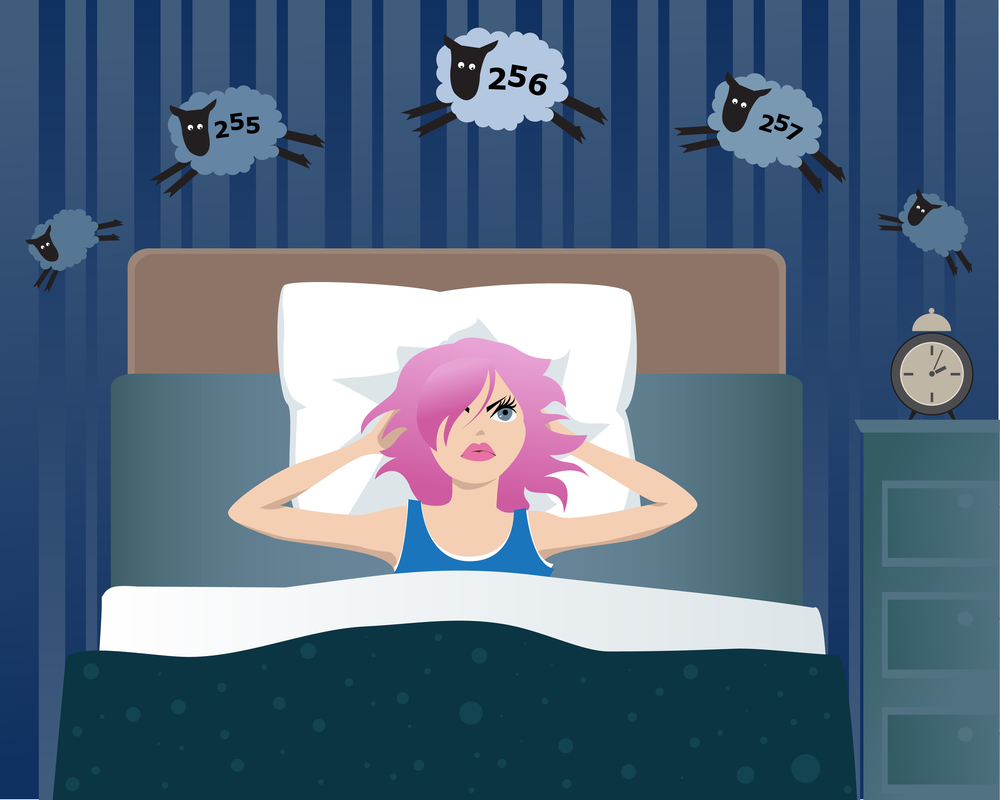
Struggling to fall asleep or stay asleep at night? You’re not alone. Insomnia is one of the most common sleep disorders, affecting millions of people worldwide. Whether it’s occasional restlessness or chronic sleeplessness, insomnia can significantly impact your quality of life, leading to fatigue, mood disturbances, and even long-term health issues.
In this article, we’ll break down what insomnia is, explore its common causes, and provide expert-backed tips to help you sleep better and wake up feeling refreshed.
What Is Insomnia?
Insomnia is a sleep disorder characterized by difficulty falling asleep, staying asleep, or waking too early and not being able to fall back asleep. While everyone has the occasional sleepless night, people with insomnia experience these issues frequently, often leading to daytime fatigue, irritability, and trouble concentrating.
There are two main types of insomnia:
Acute Insomnia: Short-term insomnia that lasts a few days to a few weeks. Often triggered by stress, life events, or environmental factors.
Chronic Insomnia: Sleep disruption that occurs at least three nights per week and lasts for three months or longer.
Common Symptoms of Insomnia
Symptoms of insomnia may vary from person to person but often include:
Insomnia doesn’t usually have a single cause; rather, it often results from a combination of physical, psychological, and environmental factors.
Stress and Anxiety
Worrying about work, relationships, finances, or health can keep your mind racing long after you’ve turned off the lights. Chronic stress can interfere with the body’s ability to relax and fall into a natural sleep rhythm.
Poor Sleep Habits
Irregular sleep schedules, screen time before bed, late-night eating, and caffeine use can disrupt your body’s natural circadian rhythm.
Medical Conditions
Health issues like chronic pain, asthma, acid reflux, overactive bladder, or neurological disorders can interfere with sleep. Certain medications for these conditions may also cause insomnia.
Mental Health Disorders
Depression, anxiety, bipolar disorder, and PTSD often involve sleep disturbances, either as a symptom or a contributing factor.
Hormonal Changes
Hormonal shifts during menopause, menstruation, or pregnancy can disrupt sleep patterns. Melatonin production naturally decreases with age, which can contribute to insomnia in older adults.
Substance Use
Alcohol, nicotine, and caffeine can all negatively affect sleep quality. Even though alcohol may help you fall asleep faster, it tends to disrupt deep sleep stages and cause night waking.
Sleep Environment
Noise, light, uncomfortable temperatures, or an unsupportive mattress or pillow can create an environment that’s not conducive to restful sleep.
Diagnosing Insomnia
If insomnia is affecting your daily life, it’s important to consult a healthcare provider. Diagnosis typically involves:
A review of your medical history
A sleep diary to track patterns and habits
Sleep studies (in some cases) to rule out other disorders like sleep apnea or restless leg syndrome
Physical activity helps you fall asleep faster and enjoy deeper sleep. Aim for 30 minutes of moderate exercise most days, but avoid intense workouts close to bedtime.
Watch What You Eat Before Bed
Avoid heavy or spicy meals within 2-3 hours of sleeping. Light snacks like a banana or a small bowl of oatmeal may help promote sleep.
Try Relaxation Techniques
Meditation, deep breathing, progressive muscle relaxation, or gentle yoga can help reduce stress and prepare your body for rest.
Seek Professional Help If Needed
If insomnia persists, cognitive behavioral therapy for insomnia (CBT-I) is a highly effective treatment. Unlike medication, CBT-I addresses the root causes of sleep issues and has long-lasting benefits.
When to See a Doctor
You should see a healthcare provider if:
Insomnia persists for more than a few weeks
It’s impacting your ability to function during the day
You rely on sleep aids or alcohol to fall asleep
You experience symptoms like loud snoring or gasping (possible sleep apnea)
Final Thoughts: You Can Overcome Insomnia
Insomnia can be a frustrating and exhausting condition, but the good news is that it’s highly treatable. By identifying the root causes of your sleep troubles and implementing healthy sleep habits, you can reclaim your nights—and your energy.
If you’re struggling with insomnia, don’t ignore it. Prioritize your sleep the same way you do nutrition and exercise. After all, good sleep is not a luxury—it’s essential to your physical health, emotional well-being, and overall longevity.
Purium Products that promote Healthy Circadian Rhythms & Sleep:
This website uses cookies to improve your experience. We'll assume you're ok with this, but you can opt-out if you wish.AcceptRejectRead More
Privacy & Cookies Policy
Privacy Overview
This website uses cookies to improve your experience while you navigate through the website. Out of these cookies, the cookies that are categorized as necessary are stored on your browser as they are essential for the working of basic functionalities of the website. We also use third-party cookies that help us analyze and understand how you use this website. These cookies will be stored in your browser only with your consent. You also have the option to opt-out of these cookies. But opting out of some of these cookies may have an effect on your browsing experience.