Sea kelp, also known simply as kelp, is a type of large, brown seaweed that grows in underwater kelp forests. It belongs to the brown algae family and is rich in essential nutrients such as vitamins, minerals, antioxidants, and amino acids. Sea kelp is commonly used in various cuisines, dietary supplements, and skincare products due to its potential health benefits and nutrient content.
Sea kelp offers a wide range of potential health benefits due to its nutrient-rich composition.
Some of the benefits of incorporating sea kelp into your diet may include:
- Rich in iodine: Sea kelp is a natural source of iodine, a mineral essential for thyroid function and hormone production. Adequate iodine intake is crucial for maintaining a healthy metabolism and supporting thyroid health.
- Nutrient-dense: Sea kelp is packed with vitamins, minerals, and antioxidants, including vitamin K, vitamin C, calcium, magnesium, and iron. These nutrients support overall health and well-being.
- Supports thyroid function: The iodine content in sea kelp helps support thyroid health and may aid in regulating thyroid hormone levels. This can help improve metabolism, energy levels, and overall hormonal balance.
- May aid in weight management: Some studies suggest that sea kelp may help support weight loss and weight management efforts. Its iodine content and potential impact on metabolism may contribute to this benefit.
- Rich in antioxidants: Sea kelp contains antioxidants like fucoxanthin, which may help protect cells from oxidative stress and reduce inflammation in the body. Antioxidants play a key role in overall health and disease prevention.
- Promotes gut health: Sea kelp is a good source of dietary fiber, which can support digestive health by promoting regular bowel movements, feeding beneficial gut bacteria, and aiding in nutrient absorption.
- May support heart health: The minerals found in sea kelp, such as potassium and magnesium, may help support heart health by regulating blood pressure, reducing cholesterol levels, and supporting overall cardiovascular function.
Incorporating sea kelp into your diet through supplements, seaweed snacks, or adding it to dishes can provide you with these potential health benefits and support your overall well-being. It’s important to consume sea kelp in moderation and consult with a healthcare provider, especially if you have thyroid issues or are pregnant, due to its iodine content.
The minerals potassium and magnesium found in sea kelp play important roles in supporting heart health through various mechanisms:
- Potassium:
- Blood pressure regulation: Potassium is a key mineral that helps regulate blood pressure by counteracting the effects of sodium. A diet rich in potassium can help lower blood pressure, reducing the risk of hypertension, a major risk factor for heart disease.
- Heart rhythm: Potassium is essential for maintaining normal heart rhythm. It helps conduct electrical impulses in the heart that regulate heartbeat, supporting overall cardiac function.
- Reduced risk of stroke: Adequate potassium intake has been associated with a lower risk of stroke, a serious cardiovascular event. Potassium helps maintain proper blood flow and blood vessel function, reducing the risk of blood clots and stroke.
- Magnesium:
- Heart muscle function: Magnesium is crucial for proper heart muscle function. It helps relax blood vessels, reducing resistance to blood flow and lowering blood pressure. Magnesium also supports the contraction and relaxation of the heart muscle.
- Electrolyte balance: Magnesium is an essential electrolyte that works in conjunction with other minerals like potassium and calcium to maintain proper fluid balance in the body. Electrolyte balance is important for heart health and overall cellular function.
- Anti-inflammatory effects: Magnesium has anti-inflammatory properties that may help reduce inflammation in the cardiovascular system. Chronic inflammation is linked to heart disease, and magnesium’s anti-inflammatory effects may help protect against cardiovascular damage.
By including sea kelp, a natural source of potassium and magnesium, in your diet, you can benefit from these heart-healthy minerals. Consuming sea kelp as part of a balanced diet rich in nutrients can support heart health by promoting healthy blood pressure, heart rhythm, and overall cardiovascular function. It’s important to note that individual nutrient needs may vary, and consulting with a healthcare provider can help determine the appropriate dietary choices for supporting heart health.
There are several delicious and creative ways to incorporate sea kelp into your diet:
- Seaweed snacks: Enjoy roasted or seasoned sea kelp snacks as a crunchy and flavorful treat. Look for seaweed snacks in health food stores or Asian markets for a convenient and tasty way to add sea kelp to your diet.
- Sea kelp salads: Add dried or rehydrated sea kelp to salads for a nutritious boost. Simply soak dried sea kelp in water until softened, then toss it with fresh greens, vegetables, and a light dressing for a refreshing and nutrient-packed salad.
- Seaweed wraps: Use large sea kelp sheets as a wrap for sushi or sandwiches. Fill the sea kelp sheets with your favorite ingredients like vegetables, rice, and protein for a healthy and seaweed-wrapped meal.
- Sea kelp soups: Incorporate sea kelp into soups and broths for added flavor and nutrients. Simply add dried or fresh sea kelp to your favorite soup recipes during the cooking process to infuse them with the benefits of sea kelp.
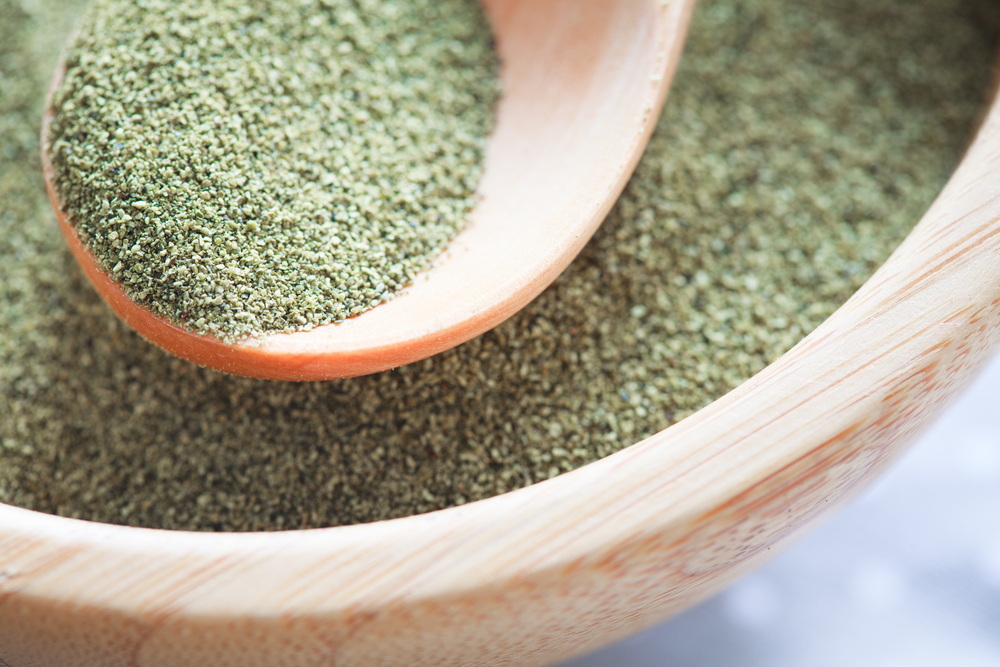
- Sea kelp seasoning: Use powdered sea kelp as a seasoning or sprinkle it on dishes for a savory and umami flavor. Sea kelp powder can be added to soups, stews, sauces, dressings, or even popcorn for a nutritious and delicious twist.
- Sea kelp smoothies: Blend dried sea kelp flakes or powdered sea kelp into smoothies for a nutrient boost. Combine sea kelp with fruits, vegetables, and your choice of liquid for a refreshing and nutritious smoothie.
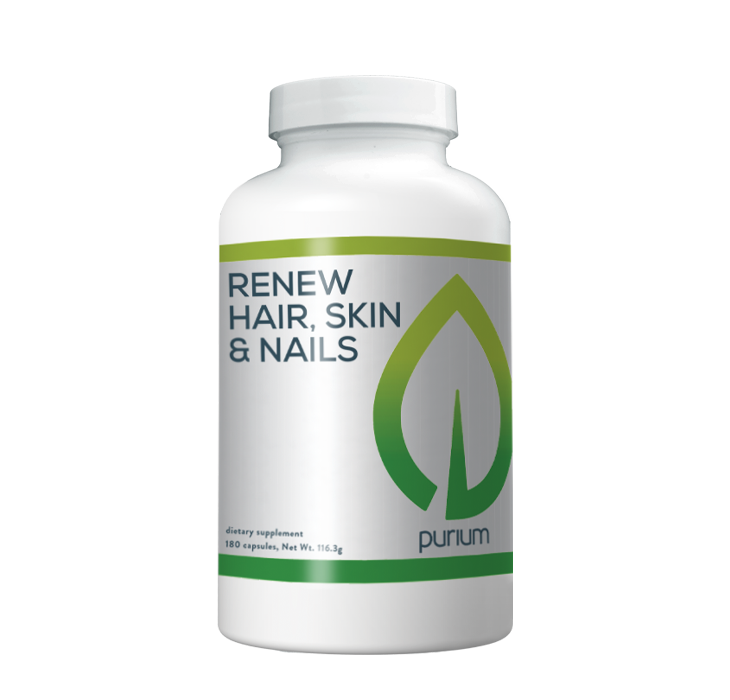
- Sea kelp supplements: Consider taking sea kelp supplements in the form of capsules or tablets if you prefer a convenient way to incorporate sea kelp into your diet. Ensure you follow the recommended dosage and consult with a healthcare provider before starting any new supplement regimen.
By including sea kelp in various forms in your diet, you can enjoy its unique flavor, texture, and potential health benefits. Experiment with different recipes and cooking methods to find delicious ways to incorporate sea kelp into your meals and snacks.
Purium Products with Sea Kelp: Green Spectrum & Green Spectrum Lemon & Super Meal LOV
READ MORE: Greens Shake Powder Benefits
Sources:
https://www.webmd.com/diet/health-benefits-kelp
https://www.goodhousekeeping.com/health/a42246924/kelp-health-benefits/
https://www.commonwealthhealth.net/health-library/380