Dietary fiber, often referred to as the unsung hero of our nutrition, plays a pivotal role in our overall health and well-being. It’s the essential component of plant-based foods that the body cannot digest, yet its impact on our bodies is profound. Fiber is like the guardian angel of our digestive system, the key to maintaining a healthy weight, and a shield against various chronic diseases. In this article, we’ll delve into the remarkable world of dietary fiber, uncovering the reasons why it deserves a prominent place on your plate and how it can transform your health for the better. So, let’s embark on a journey of discovery and learn why fiber is a crucial cornerstone of a balanced and wholesome diet.
Health Benefits Of Fiber
Fiber is an unsung hero when it comes to maintaining good health, and it’s a topic I’m happy to dive into! Fiber is a type of carbohydrate found in plant-based foods that the body can’t digest. Instead, it passes through your digestive system relatively intact, but it has a multitude of health benefits:
- Digestive Health: Fiber adds bulk to your stool and helps prevent constipation. It also regulates bowel movements, reducing the risk of diarrhea.
- Weight Management: High-fiber foods tend to be more filling, so they can help control your appetite and prevent overeating. This can be incredibly helpful for weight management.
- Heart Health: Soluble fiber, found in foods like oats and beans, can help lower LDL (bad) cholesterol levels, reducing the risk of heart disease.
- Blood Sugar Control: Fiber can slow the absorption of sugar, helping to stabilize blood sugar levels. This is especially important for people with diabetes or those at risk of developing the condition.
- Colon Health: Some types of fiber are fermented by beneficial gut bacteria, producing short-chain fatty acids that can protect against colorectal cancer.
- Gut Health: A diet rich in fiber supports a healthy gut microbiome, which plays a crucial role in overall health, including immune function and mental well-being.
- Weight Loss: High-fiber foods are often lower in calories and can help you shed pounds by reducing overall calorie intake.
- Reduced Risk of Chronic Diseases: Regular consumption of fiber has been linked to a decreased risk of chronic conditions like stroke, high blood pressure, and certain types of cancer.
Experts recommend aiming for at least 25 grams of fiber per day for women and 34 grams for men, but many of us fall short of this goal. Gradually increasing your fiber intake can help you enjoy all these fantastic health benefits. And remember, drink plenty of water as you increase your fiber intake to help it do its job effectively in your digestive system.
Good Sources of Fiber
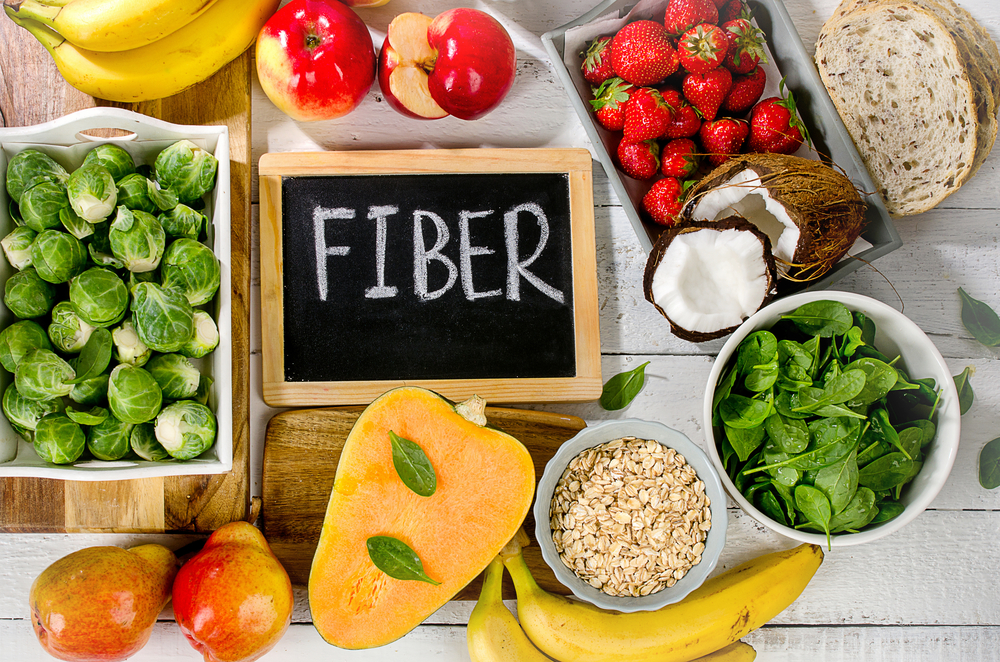
There are plenty of delicious and nutritious sources of fiber that you can easily incorporate into your diet. Here are some of the best sources of dietary fiber:
- Whole Grains: Opt for whole grains like brown rice, whole wheat pasta, quinoa, oats, and whole grain bread instead of their refined counterparts. They are excellent sources of fiber.
- Legumes: Beans, lentils, and chickpeas are rich in fiber. They can be used in a variety of dishes, from soups and stews to salads and veggie burgers.
- Fruits: Many fruits are high in fiber, especially when you eat them with their skin. Apples, pears, berries, and citrus fruits are good choices.
- Vegetables: Load up on veggies like broccoli, cauliflower, carrots, spinach, and sweet potatoes. They’re packed with fiber and a variety of essential nutrients.
- Nuts: Almonds, walnuts, and other nuts are not only a good source of healthy fats but also provide a decent amount of fiber. Just be mindful of portion sizes due to their calorie content.
- Seeds: Chia seeds, flaxseeds, and pumpkin seeds are fiber powerhouses. You can sprinkle them on yogurt, oatmeal, or add them to smoothies.
- Berries: Blueberries, raspberries, and blackberries are not only delicious but also high in fiber. They’re great on their own or as toppings for yogurt and cereal.
- Whole Vegetables: Eating the whole vegetable, including the skin, is often the best way to maximize fiber intake. For example, leave the skin on potatoes and cucumbers.
- Popcorn: Believe it or not, plain, air-popped popcorn is a whole grain and a good source of fiber. Just go easy on the butter and salt!
- Bran Cereals: Look for whole-grain cereals with added bran for an extra fiber boost. Check the nutrition labels to ensure you’re choosing options with high fiber content.
Remember, when increasing your fiber intake, do it gradually to give your digestive system time to adjust. Also, be sure to drink plenty of water, as fiber works best when it absorbs water, aiding in digestion and preventing discomfort. A balanced diet that includes a variety of these fiber-rich foods will help you enjoy the numerous health benefits of this essential nutrient.
Purium offers several products that contain fiber. Here are a few:
- Daily Fiber Organic Terra Pouch – Caramel Apple: This product contains Rice Bran Fiber, which can enhance bowel function, support healthy cardiovascular function, and may support a weight loss regimen.
- Daily Fiber Organic Terra Pouch – Original: This is another fiber-rich product from Purium that supports digestive health.
- Power Shake Apple Berry, Power Shake Flavor Combo, and Power Shake Unflavored: These shakes are not only packed with superfoods for overall health but also contain fiber to support digestive health.
- Biome Medic: This product is designed to support a healthy gut, and one way it does this is by including fiber to aid in digestion.
Remember, it’s important to incorporate fiber into your diet gradually and drink plenty of water to support your digestive health. Always consult with a healthcare professional before starting any new supplement regimen.
FAQ
Here are some frequently asked questions about fiber, along with their answers:
- What is dietary fiber? Answer: Dietary fiber is a type of carbohydrate found in plant-based foods that the body cannot digest. Instead, it passes through the digestive system relatively intact, providing various health benefits.
- Why is fiber important for health? Answer: Fiber is essential for digestive health, weight management, heart health, blood sugar control, and reducing the risk of chronic diseases. It also supports a healthy gut microbiome.
- How much fiber should I consume daily? Answer: The recommended daily intake of fiber is about 25 grams for women and 38 grams for men. However, individual needs may vary.
- What are soluble and insoluble fibers? Answer: Soluble fiber dissolves in water and can help lower cholesterol and stabilize blood sugar. Insoluble fiber doesn’t dissolve and adds bulk to stool, promoting regular bowel movements.
- What are some good sources of dietary fiber? Answer: Excellent sources of fiber include whole grains, legumes (beans, lentils), fruits, vegetables, nuts, seeds, and whole-grain cereals.
- Can fiber help with weight loss? Answer: Yes, fiber-rich foods can make you feel full and satisfied, helping control your appetite and aiding in weight management by preventing overeating.
- Does fiber aid in digestive health? Answer: Absolutely! Fiber adds bulk to stool, regulates bowel movements, and prevents constipation. It’s crucial for maintaining a healthy digestive system.
- How does fiber help with heart health? Answer: Soluble fiber can lower LDL (bad) cholesterol levels, reducing the risk of heart disease and supporting overall cardiovascular health.
- Can fiber help regulate blood sugar levels? Answer: Yes, fiber can slow the absorption of sugar, helping to stabilize blood sugar levels. It’s beneficial for individuals with diabetes or those at risk of the condition.
- Are there any side effects of consuming too much fiber? – Answer: Consuming excessive fiber too quickly can lead to digestive discomfort, including gas, bloating, and diarrhea. It’s important to increase fiber intake gradually.
- What’s the relationship between fiber and colon health? – Answer: Some types of fiber are fermented in the colon by beneficial gut bacteria, producing compounds that can protect against colorectal cancer and support overall colon health.
- Can children benefit from a high-fiber diet? – Answer: Yes, children can benefit from a high-fiber diet as it supports their digestive health, helps prevent constipation, and establishes healthy eating habits.
- Are there different types of fiber supplements available, and are they safe? – Answer: Yes, fiber supplements are available, but it’s best to obtain fiber from whole foods whenever possible. If you consider supplements, consult a healthcare professional for guidance.
Remember, while fiber offers numerous health benefits, it’s essential to maintain a balanced diet and stay hydrated to optimize its effects and avoid any potential discomfort.
Takeaway
Dietary fiber is far more than just roughage; it’s a fundamental nutrient that can have a transformative impact on our health and well-being. As we’ve explored the benefits of fiber, from promoting digestive health to aiding in weight management and reducing the risk of chronic diseases, it’s clear that this unsung hero should be a vital part of our daily diet. By embracing fiber-rich foods such as whole grains, legumes, fruits, and vegetables, we not only nurture our bodies but also empower ourselves to lead healthier, happier lives.
So, let’s make a conscious effort to increase our fiber intake, savor the delicious array of fiber-packed foods, and reap the myriad rewards of this exceptional nutrient. It’s time to recognize and celebrate the extraordinary role that dietary fiber plays in our journey to optimal health.
Dietary Fiber is critical for good health! Are you getting enough? #HealthSurgeon
READ MORE: Foods That Are High In Vitamins And Fiber
Sources:
https://www.mayoclinic.org/healthy-lifestyle/nutrition-and-healthy-eating/in-depth/fiber/art-20043983
https://www.nih.gov/news-events/nih-research-matters/health-benefits-dietary-fibers-vary
https://health.clevelandclinic.org/fiber/