HealthSurgeon - Healthy Living and Fitness - Purium Coupon
Primary Navigation Menu
What Is the Lymphatic System? Functions, Benefits, and How to Keep It Healthy
The lymphatic system is one of the most overlooked yet vital systems in the human body. Often overshadowed by the circulatory and immune systems, the lymphatic system works quietly in the background—filtering waste, transporting immune cells, and maintaining fluid balance.
If you’ve ever heard of lymph nodes, swelling due to infection, or lymphatic drainage massages, you’re already somewhat familiar with this system. In this article, we’ll explore the structure, function, and importance of the lymphatic system, as well as how you can support it for optimal health.
What Is the Lymphatic System?
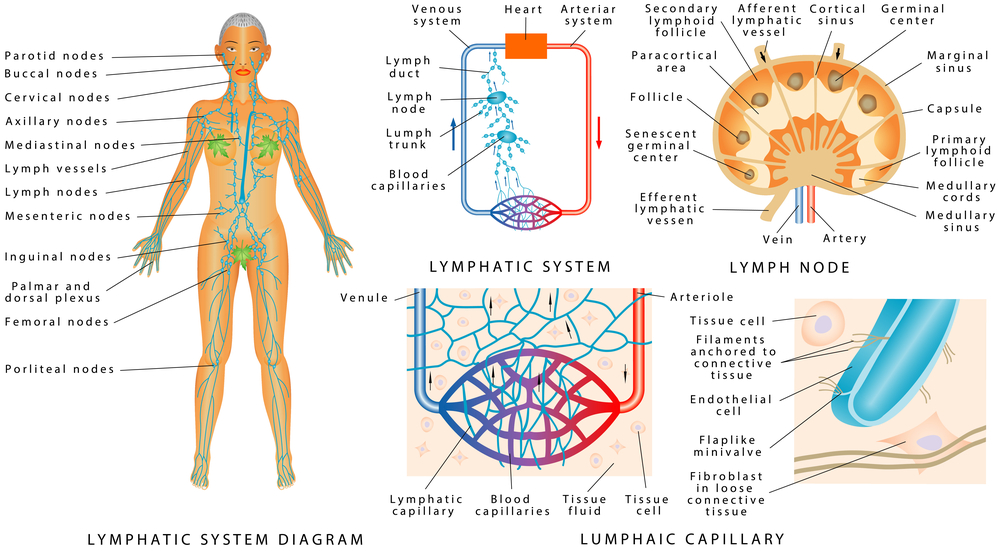
The lymphatic system is a network of tissues, vessels, and organs that work together to:
Transport lymph (a clear fluid containing white blood cells) throughout the body
Maintain fluid balance by returning excess interstitial fluid to the bloodstream
Filter out toxins, waste, and other unwanted materials
Support the immune system by producing and transporting immune cells
It operates as a one-way drainage system that begins in tissues and ends when the lymph rejoins the blood in the subclavian veins near the heart.
Lymph is a fluid that originates from blood plasma. It leaks out of blood vessels and into tissues, where it bathes the cells. Most of this fluid is reabsorbed into the bloodstream, but the excess enters the lymphatic system.
Lymph contains:
Water
Proteins
Fats
Waste products
Bacteria and viruses
Immune cells (primarily lymphocytes)
Lymphatic Vessels
These vessels are similar to veins but are thinner and contain one-way valves to prevent backflow. They transport lymph fluid from tissues back toward the heart.
There are:
Capillaries: the smallest vessels, located near cells and tissues
Collecting vessels: larger vessels that carry lymph toward lymph nodes
Trunks and ducts: the largest vessels that drain into the bloodstream
Lymph Nodes
Lymph nodes are small, bean-shaped structures that act as filters. Located in clusters in the neck, armpits, groin, and abdomen, lymph nodes remove harmful substances like:
Bacteria
Viruses
Cellular debris
Cancer cells
When fighting infection, lymph nodes may swell—a sign that your immune system is actively working.
Primary Organs
Thymus: Located behind the sternum, the thymus is where T lymphocytes mature. It’s most active during childhood and shrinks with age.
Bone Marrow: Produces lymphocytes and other blood cells. B lymphocytes mature here.
Secondary Organs
Spleen: Filters blood, recycles old red blood cells, and stores white blood cells.
Tonsils and Adenoids: Trap pathogens from the airways.
Peyer’s Patches: Located in the small intestine, these monitor gut bacteria and prevent the growth of harmful microbes.
Key Functions of the Lymphatic System
Fluid Balance
The lymphatic system collects excess fluid and proteins from tissues and returns them to the bloodstream. Without this system, fluid would accumulate in tissues, causing swelling (edema).
Immune Defense
Lymph nodes and lymphoid organs act as immune surveillance hubs. They detect and respond to foreign invaders, initiating an immune response by activating lymphocytes (T cells and B cells).
Fat Absorption
Specialized lymphatic vessels in the intestines, called lacteals, absorb dietary fats and fat-soluble vitamins. These nutrients are then transported through the lymph and eventually released into the bloodstream.
Waste Removal
Lymph helps remove cellular waste, toxins, and debris, aiding in detoxification processes and reducing the toxic load on organs like the liver and kidneys.
What Happens When the Lymphatic System Doesn’t Work Properly?
A poorly functioning lymphatic system can lead to serious health issues, such as:
A condition where lymph fluid builds up in tissues, causing swelling—often in the arms or legs. This can be due to damage from surgery (e.g., lymph node removal during cancer treatment) or congenital issues.
– Infections
When lymph nodes or vessels are infected or blocked, the body’s ability to fight off pathogens is compromised, increasing the risk of illness.
– Autoimmune Conditions and Inflammation
Some autoimmune diseases may involve lymphatic dysfunction, contributing to widespread inflammation and immune dysregulation.
– Cancer Metastasis
Because cancer cells can travel via the lymphatic system, lymph nodes are often checked during cancer diagnosis and staging.
How to Keep Your Lymphatic System Healthy
Unlike the circulatory system, which has the heart to pump blood, the lymphatic system relies on movement, muscle contractions, and breathing to keep lymph fluid flowing.
Here are practical ways to support your lymphatic health:
Exercise Regularly
Activities like walking, yoga, stretching, and strength training stimulate muscle contractions, which help move lymph fluid.
Lymph is largely water-based. Dehydration slows lymph flow and may contribute to sluggish drainage.
Eat a Clean Diet
Reduce processed foods and increase intake of whole foods rich in antioxidants, fiber, and healthy fats to reduce the toxic load on your lymphatic system.
Dry Brushing
This ancient technique involves brushing the skin with a natural-bristle brush in the direction of lymph flow (toward the heart). It’s thought to stimulate lymph movement and exfoliate the skin.
Lymphatic Drainage Massage
A gentle massage technique that encourages lymph flow, reduces swelling, and improves detoxification. Commonly used for post-surgery recovery or in managing lymphedema.
Deep Breathing
Diaphragmatic breathing helps pump lymph through the thoracic duct, one of the main lymphatic vessels.
Avoid Tight Clothing
Tight clothes can restrict lymph flow, especially around the chest, abdomen, and groin.
Final Thoughts
The lymphatic system is far more than a passive drainage network—it’s a vital part of immune defense, detoxification, and fluid balance. While it usually works quietly in the background, your daily lifestyle choices can significantly impact its function.
By incorporating movement, hydration, clean nutrition, and lymph-friendly habits, you can support this essential system and promote better long-term health.
This website uses cookies to improve your experience. We'll assume you're ok with this, but you can opt-out if you wish.AcceptRejectRead More
Privacy & Cookies Policy
Privacy Overview
This website uses cookies to improve your experience while you navigate through the website. Out of these cookies, the cookies that are categorized as necessary are stored on your browser as they are essential for the working of basic functionalities of the website. We also use third-party cookies that help us analyze and understand how you use this website. These cookies will be stored in your browser only with your consent. You also have the option to opt-out of these cookies. But opting out of some of these cookies may have an effect on your browsing experience.