HealthSurgeon - Healthy Living and Fitness - Purium Coupon
Primary Navigation Menu
Schizophrenia and Vitamins B3 (Niacin) and Vitamin D: What the Research Says
Schizophrenia and Vitamins B3 (Niacin) and Vitamin D: What the Latest Research Actually Says
Schizophrenia is a serious mental disorder that affects roughly 1% of the global population. It’s far more complex than a simple chemical imbalance — it involves a combination of genetic, environmental, and neurochemical factors. But recent research is uncovering something fascinating: vitamin deficiencies may play a larger role than we once thought.
Two nutrients, in particular, have caught researchers’ attention: vitamin B3 (niacin) and vitamin D. Neither of these is a cure for schizophrenia. But the evidence is growing that correcting deficiencies in these areas may help reduce symptoms and improve quality of life.
Vitamin B3 (Niacin) and Schizophrenia
The connection between niacin and schizophrenia goes back decades. In the 1950s and 60s, Dr. Abram Hoffer conducted pioneering research showing that high-dose niacin (around 3 grams per day) was associated with reduced symptoms in acute schizophrenia patients. Some patients in his studies showed remarkable improvement.
The biochemistry makes sense. Niacin is essential for producing NAD+, a molecule critical for brain cell energy production and neurotransmitter synthesis. Without adequate NAD+, brain cells simply can’t function optimally.
More recent meta-analyses (including PMC4083629) have confirmed that B-complex vitamins are consistently effective at reducing psychiatric symptoms. The evidence isn’t uniform though — results tend to be strongest in early-stage or acute cases, and less pronounced in chronic schizophrenia. This suggests that B3 may be most useful as an early intervention or adjunct treatment, not a standalone solution.
Vitamin D and Schizophrenia
The vitamin D research is even more striking. Multiple systematic reviews have found that schizophrenia patients have significantly lower vitamin D levels than the general population — 30-75% are deficient or insufficient, which is a remarkably high proportion.
Low vitamin D levels are associated with reduced gray matter volume in the brain (PMC4252834), worse symptom scores across multiple studies, and markers of increased cellular aging. Perhaps most alarmingly, neonatal vitamin D deficiency has been linked to a 44% increased risk of developing schizophrenia later in life (PMC6283870).
Vitamin D isn’t just about bone health. It supports neuroprotective growth factors, regulates cellular growth and differentiation, and modulates the immune system — all of which are relevant to brain development and function. The fact that schizophrenia patients are so frequently vitamin D deficient isn’t just a correlation; it may be a contributing factor to the disorder’s severity and progression.
The Isolation Factor
People with schizophrenia often live in social isolation. This isn’t just a psychological issue — it has real nutritional consequences. Isolated individuals tend to eat poorly and spend less time outdoors, making them even more vulnerable to vitamin deficiencies. This creates a vicious cycle: isolation worsens nutritional status, which in turn may worsen symptoms, which drives further isolation.
That said, it’s important to be clear about causation. Social isolation doesn’t cause schizophrenia. But the lifestyle factors that come with it — poor nutrition, lack of sun exposure — can absolutely worsen outcomes for people who have the disorder.
Practical Recommendations
If you or someone you know is managing schizophrenia, here are some evidence-informed steps worth discussing with a healthcare provider:
Get your levels checked. Regular blood work to assess vitamin D and B-complex status can identify deficiencies before they become problematic.
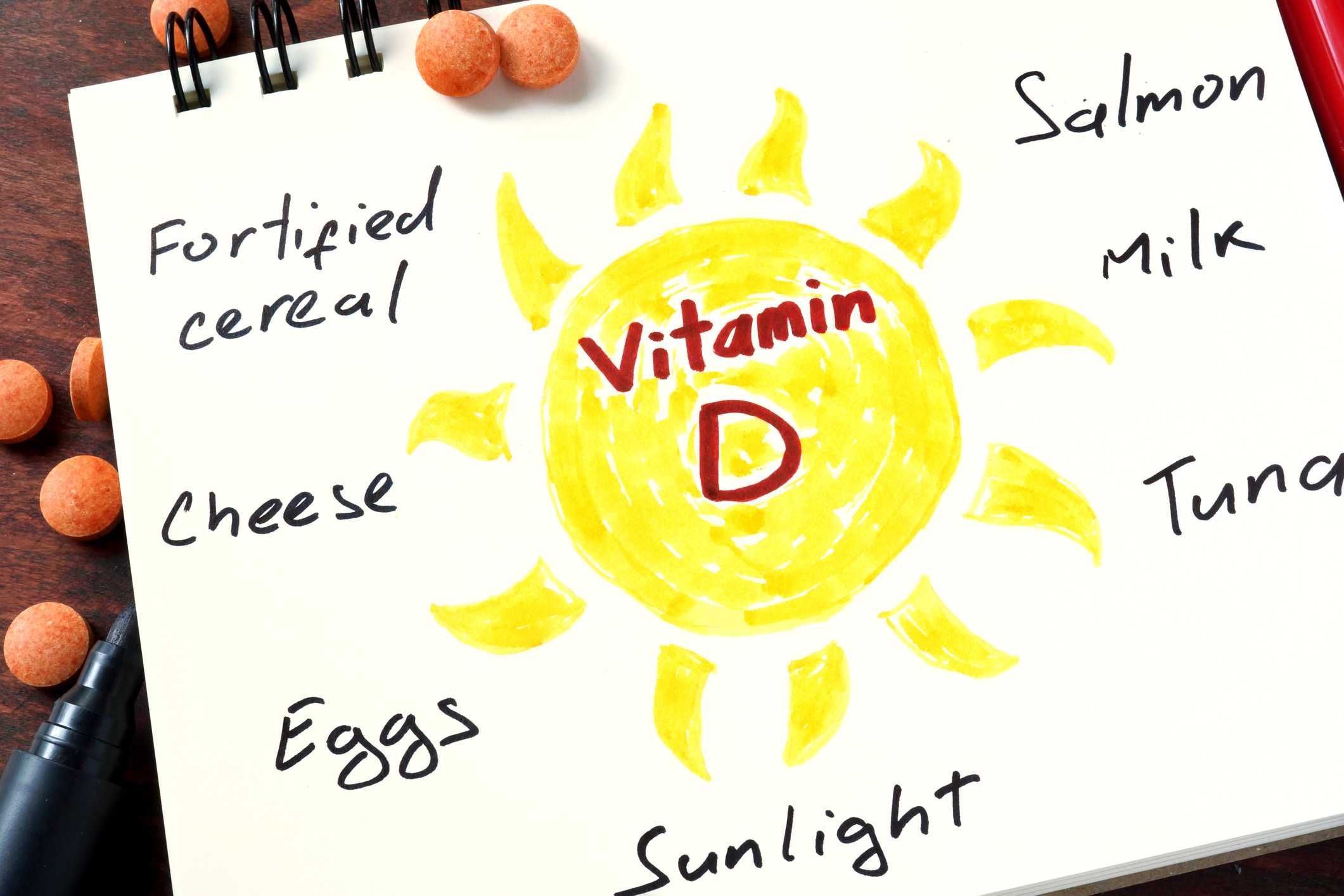
Daily sunlight exposure. 15-30 minutes of sun exposure (without sunscreen) can help the body synthesize vitamin D naturally.
Eat for B-vitamin support. Whole grains, eggs, fish, and meat are all rich in B-vitamins. A balanced diet is the first line of defense.
Consider supplementation. But be careful — high-dose B3 (niacin) can cause uncomfortable flushing at 3g/day, and it can interact with certain medications. Always work with a doctor on dosing.
And here’s the bottom line: vitamin supplementation should complement, never replace, professional psychiatric treatment. There’s no evidence that vitamins alone can treat schizophrenia. But as an adjunct to conventional treatment, the evidence is compelling enough to warrant attention.
Suggested Use
For those exploring nutritional support alongside treatment, an Essential Mushroom Blend can be a practical addition to your daily routine — the adaptogenic mushrooms in this formula support cognitive function and help your body manage stress, both of which are relevant in a mental wellness context. Buy Essential Mushroom Blend
Pair it with More Greens for comprehensive nutrition that covers your B-vitamin bases.
Key Takeaways
30-75% of schizophrenia patients are vitamin D deficient
High-dose B3 (niacin) showed promise in mid-20th century research, with recent meta-analyses supporting B-complex effectiveness
Low vitamin D is associated with worse symptoms and reduced brain volume
Vitamins complement, not replace, professional psychiatric treatment
Get blood work done before starting high-dose supplementation
—
These statements have not been evaluated by the FDA and were not intended to diagnose, treat, cure or prevent any disease.
This website uses cookies to improve your experience. We'll assume you're ok with this, but you can opt-out if you wish.AcceptRejectRead More
Privacy & Cookies Policy
Privacy Overview
This website uses cookies to improve your experience while you navigate through the website. Out of these cookies, the cookies that are categorized as necessary are stored on your browser as they are essential for the working of basic functionalities of the website. We also use third-party cookies that help us analyze and understand how you use this website. These cookies will be stored in your browser only with your consent. You also have the option to opt-out of these cookies. But opting out of some of these cookies may have an effect on your browsing experience.