HealthSurgeon - Healthy Living and Fitness - Purium Coupon
Primary Navigation Menu
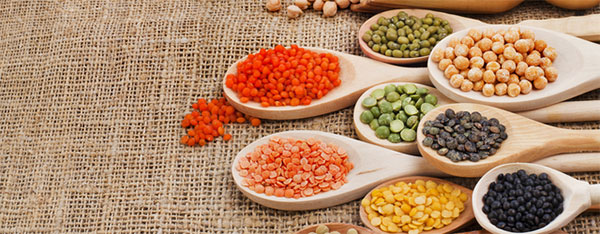
Lentils are a Good Source of Bodybuilding Proteins
Lentils: A Plant-Powered Protein Dynamo
When it comes to building muscle and supporting athletic performance, most people think “chicken breast” or “protein powder.” But there’s a plant-based powerhouse that deserves equal attention: lentils. With 18 grams of protein per cooked cup — comparable to a 3-ounce chicken breast — these humble legumes pack serious nutritional firepower for bodybuilders and active individuals alike.
Why Lentils Work for Muscle Building
According to Mayo Clinic Health System, plant proteins like lentils rank among the healthiest protein sources available. But lentils offer more than just protein — they’re a complete nutritional package designed for performance:
18g protein per cup: Builds and repairs muscle tissue
16g fiber (64% daily value): Supports digestion and sustained fullness
90% daily folate: Essential for red blood cell formation and energy production
Rich in iron: 36% DV for women, 87% for men — critical for oxygen transport to muscles
Zero fat and cholesterol: Clean fuel without cardiovascular baggage
Cleveland Clinic notes that lentils’ combination of protein, fiber, and complex carbohydrates makes them ideal for weight management and body composition — key concerns for anyone serious about physique development.
Protein Completeness: The Rice & Lentils Combo
While lentils are protein-rich, they’re low in methionine (an essential amino acid). The classic solution? Pair them with rice or other grains, which are low in lysine but high in methionine. Together, they form a complete protein profile with all nine essential amino acids — no animal products required.
Harvard Nutrition Source confirms that legumes like lentils improve fullness and support sustainable weight management better than many animal protein sources, thanks to their high fiber content and low calorie density.
Pre- and Post-Workout Benefits
Lentils excel in both training phases:
Pre-Workout: Their low glycemic index (GI) provides stable, sustained energy without blood sugar spikes. The slow-digesting complex carbs fuel extended training sessions.
Post-Workout: The protein supports muscle repair, while iron aids in replenishing oxygen-carrying capacity after intense exertion.
Brown lentils: Hold shape well — ideal for salads and meal prep
Green lentils: Nutty flavor, slightly firmer texture
Red lentils: Cook quickly, break down easily — perfect for soups and dal
Add them to soups, stews, curries, salads, or as a base for grain bowls. Pro tip: Start with smaller portions if you’re new to legumes — the high fiber can cause bloating until your gut adapts. Soaking or cooking thoroughly reduces antinutrients that can interfere with mineral absorption.
Lentils vs. Meat: The Comparison
While meat provides complete protein in one package, lentils win on fiber (16g vs. 0g), contain zero cholesterol, and come with added benefits like folate and antioxidants. For cardiovascular health and sustainable nutrition, lentils offer advantages that extend well beyond the gym.
This website uses cookies to improve your experience. We'll assume you're ok with this, but you can opt-out if you wish.AcceptRejectRead More
Privacy & Cookies Policy
Privacy Overview
This website uses cookies to improve your experience while you navigate through the website. Out of these cookies, the cookies that are categorized as necessary are stored on your browser as they are essential for the working of basic functionalities of the website. We also use third-party cookies that help us analyze and understand how you use this website. These cookies will be stored in your browser only with your consent. You also have the option to opt-out of these cookies. But opting out of some of these cookies may have an effect on your browsing experience.