HealthSurgeon - Healthy Living and Fitness - Purium Coupon
Primary Navigation Menu
8 Carbohydrate Foods to Help You to Lose Weight Fast
The Truth About Carbs and Weight Loss
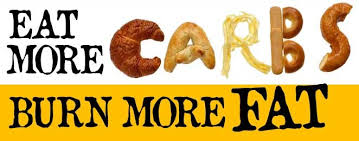
The idea that you need to avoid carbohydrates to lose weight is one of the most persistent myths in nutrition. While it’s true that refined carbs like white bread and sugary snacks can sabotage weight loss efforts, the right kinds of carbohydrates actually support healthy weight management. The key is choosing nutrient-dense, fiber-rich carbs that keep you satisfied, stabilize blood sugar, and provide essential nutrients your body needs to function optimally.
These eight carbohydrate-rich foods prove that you don’t have to give up carbs to lose weight. In fact, including them in your diet can make weight loss easier and more sustainable by controlling hunger, boosting energy, and supporting overall health.
1. Quinoa: The Complete Protein Grain
Quinoa stands out among grains because it’s a complete protein, containing all nine essential amino acids your body can’t produce on its own. This makes it particularly valuable for weight loss, as protein increases satiety and helps preserve lean muscle mass during calorie restriction.
One cup of cooked quinoa provides approximately 222 calories, 8 grams of protein, and 5 grams of fiber. That fiber content is crucial for weight management—it slows digestion, stabilizes blood sugar levels, and keeps you feeling full for hours after eating. Unlike refined grains that cause energy crashes, quinoa provides steady, sustained energy that helps prevent the mid-afternoon cravings that derail so many weight loss efforts.
How to Use Quinoa for Weight Loss
Replace white rice or pasta with quinoa as your grain base. Use it cold in salads with vegetables and lean protein, or warm as a breakfast porridge topped with berries and nuts. The versatility makes it easy to incorporate into any meal plan. Prepare a batch at the beginning of the week to have ready for quick meals.
2. Oats: The Breakfast Champion
Oats are one of the most effective foods for weight loss, largely due to their high content of beta-glucan, a type of soluble fiber that forms a gel-like substance in your digestive system. This fiber increases feelings of fullness, slows stomach emptying, and even helps reduce cholesterol levels.
A half-cup of dry oats contains about 150 calories, 5 grams of protein, and 4 grams of fiber. Research consistently shows that people who eat oatmeal for breakfast consume fewer calories throughout the day compared to those who eat other breakfast foods with the same calorie count. The satiety effect is real and measurable.
Choosing the Right Oats
Steel-cut or rolled oats are your best options. Avoid instant oatmeal packets that often contain added sugars and lack the fiber content of less processed varieties. Top your oatmeal with fresh fruit, a sprinkle of cinnamon, and a small handful of nuts for a balanced, weight-loss-friendly breakfast that keeps hunger at bay until lunch.
3. Corn: The Underrated Vegetable
Corn often gets unfairly maligned in weight loss circles, but this whole grain vegetable deserves a place in a healthy diet. One medium ear of corn contains only about 77 calories while providing 3 grams of fiber and important nutrients like folate, vitamin C, and magnesium.
The fiber in corn, particularly insoluble fiber, promotes digestive health and helps maintain steady blood sugar levels. Corn also contains resistant starch, a type of carbohydrate that resists digestion in the small intestine and acts more like fiber than typical starch. This resistant starch feeds beneficial gut bacteria and may improve insulin sensitivity.
Smart Ways to Include Corn
Enjoy corn on the cob grilled or boiled without butter, add corn kernels to salads and soups, or include it in vegetable medleys. Avoid corn products like corn chips and sweetened corn cereals that add unnecessary calories and sodium. Fresh or frozen corn retains the most nutrients—canned corn is acceptable if you rinse it to reduce sodium content.
4. Yams and Sweet Potatoes: Nature’s Multivitamin
Sweet potatoes and yams are nutritional powerhouses that support weight loss while satisfying your need for something hearty and filling. A medium sweet potato contains about 103 calories, 4 grams of fiber, and over 400% of your daily vitamin A needs. The high fiber content slows digestion and helps regulate blood sugar, preventing the spikes and crashes associated with refined carbohydrates.
Sweet potatoes have a relatively low glycemic index compared to white potatoes, meaning they cause a slower, more gradual rise in blood sugar. This helps control appetite and reduces cravings for hours after eating. The natural sweetness also makes them satisfying enough to curb sugar cravings without any added sweeteners.
Preparation Matters
Bake, roast, or steam sweet potatoes rather than frying them. The skin contains significant fiber, so leave it on when possible. Try slicing them into rounds and roasting with a small amount of olive oil and rosemary, or cube them for soups and stews. Mashed sweet potato makes an excellent side dish without the need for butter or cream.
For additional energy support while managing your weight, consider adding Bee Energized to your morning routine. This organic superfood blend provides sustained energy from whole food sources that complement a carbohydrate-rich diet focused on weight management.
5. Dried Beans: The Budget-Friendly Protein Source
Beans are among the most cost-effective and nutrient-dense foods available. Black beans, kidney beans, chickpeas, and lentils all provide exceptional nutrition for weight loss. According to Mayo Clinic Health System, dried beans are incredibly nutrient-rich, providing protein, fiber, and essential minerals that support overall health while promoting satiety.
One cup of cooked black beans contains approximately 227 calories, 15 grams of protein, and 15 grams of fiber. That combination of protein and fiber is unmatched in the plant world. The high fiber content slows digestion dramatically, keeping you full for hours. The protein helps preserve muscle mass during weight loss and increases the thermic effect of food—meaning your body burns more calories digesting beans than it does digesting refined carbs or fats.
Making Beans Work for You
Add beans to salads, soups, tacos, and grain bowls. Puree them into hummus or bean dips. Mix them with vegetables and serve over greens. The versatility is nearly endless. If canned beans are more convenient, rinse them thoroughly to reduce sodium content. Cooking dried beans from scratch is economical and allows you to control sodium completely.
6. Buckwheat: The Pseudo-Grain Powerhouse
Despite its name, buckwheat isn’t actually wheat or even a grain—it’s a seed. This makes it naturally gluten-free and gives it a unique nutritional profile. Buckwheat contains approximately 155 calories per cup when cooked, along with 6 grams of protein and 5 grams of fiber.
Buckwheat is particularly rich in resistant starch and contains compounds called rutin and quercetin that have antioxidant properties. The resistant starch content means a portion of the carbohydrates aren’t digested in the small intestine, reducing the caloric impact while feeding beneficial gut bacteria. This supports digestive health and may improve metabolism.
Using Buckwheat in Your Diet
Cook buckwheat groats as you would rice or quinoa. Buckwheat flour can replace white flour in pancakes and baked goods for a more nutritious option. Soba noodles, made from buckwheat flour, offer a nutrient-dense alternative to regular pasta. The nutty, earthy flavor pairs well with both savory and sweet preparations.
7. Beetroot: The Low-Calorie Vegetable
Beets are one of the lowest-calorie carbohydrate sources available, with just 43 calories per cup of cooked beets. They’re loaded with fiber, folate, magnesium, and potassium—nutrients that support cardiovascular health, reduce inflammation, and help regulate blood pressure.
The natural nitrates in beets improve blood flow and may enhance exercise performance, making your workouts more effective for weight loss. The fiber content aids digestion and promotes satiety despite the low calorie count. The vibrant color comes from betalains, antioxidant compounds that support detoxification and reduce inflammation.
Adding Beets to Your Meals
Roast beets with other root vegetables, slice them raw into salads for crunch, or blend them into smoothies for natural sweetness and color. Pickled beets make a tangy side dish, though watch the sodium if buying prepared versions. Both the root and the greens are edible—beet greens can be cooked like spinach and are nutritional powerhouses in their own right.
8. Granola: Choose Wisely
Granola can be a nutritious carbohydrate source, but most commercial versions are loaded with added sugars and oils that turn a healthy food into a calorie bomb. A serving of commercial granola can contain 400-600 calories with minimal nutritional benefit beyond the oats and nuts.
However, homemade granola or carefully selected store-bought versions that emphasize whole oats, nuts, and minimal sweeteners can support weight loss. The key is portion control and ingredient quality. Look for versions with 5 grams of sugar or less per serving and recognizable ingredients.
Making Better Granola Choices
Make your own granola using rolled oats, raw nuts, and just enough honey or maple syrup to lightly sweeten. Bake it until crispy and store in an airtight container. Use granola as a topping rather than a cereal—a couple tablespoons adds satisfying crunch to yogurt or smoothie bowls without excessive calories. Read labels carefully when buying prepared granola and avoid versions with chocolate, candy pieces, or heavy sweetening.
Portion Sizes and Carb Quality Matter
Even healthy carbohydrates can contribute to weight gain if portions are excessive. A serving of cooked grains or beans is typically one-half to one cup. A medium sweet potato is one serving. While these foods are nutrient-dense, they still contain calories that add up quickly if you’re not mindful.
Focus on carb quality over quantity. Choose whole, minimally processed options that retain their fiber and nutrients. The fiber content is what makes these carbohydrates weight-loss-friendly—it slows digestion, stabilizes blood sugar, and increases satiety. When carbs are refined and stripped of fiber, they lose these benefits and contribute to weight gain rather than supporting weight loss.
Harvard’s Healthy Eating Plate recommends that about one-quarter of your plate should come from whole grains and starchy vegetables. This balanced approach ensures you’re getting enough carbohydrates for energy and brain function while leaving plenty of room for vegetables and lean protein that also support weight management.
Building a Carb-Friendly Weight Loss Plan
To effectively use these carbohydrates for weight loss, combine them with vegetables, lean proteins, and healthy fats in balanced meals. Half your plate should be non-starchy vegetables, one-quarter should be protein, and one-quarter can be these healthy carbohydrates. This proportion naturally controls portions while maximizing nutrition and satiety.
Timing matters too. Many people find that consuming most of their carbohydrates earlier in the day—at breakfast and lunch—provides energy when it’s most needed and prevents evening cravings. Others do well with carbohydrates at dinner to promote sleep. Experiment to find what works best for your body and schedule.
For comprehensive guidance on combining these carbohydrate foods with other weight loss strategies, check out our complete diet and exercise plan that addresses all aspects of sustainable weight management. You can also use our calories to lose weight calculator to determine your specific caloric needs based on your weight loss goals.
The Bottom Line on Carbs and Weight Loss
You don’t need to fear carbohydrates to lose weight successfully. These eight carbohydrate-rich foods—quinoa, oats, corn, sweet potatoes, dried beans, buckwheat, beetroot, and carefully chosen granola—all support weight loss when included as part of a balanced diet. They provide fiber that increases satiety, nutrients that support overall health, and sustained energy that prevents the crashes and cravings common with refined carbohydrates.
The key is choosing minimally processed carbohydrates that retain their natural fiber and nutrients. Portion control matters, but when you’re eating nutrient-dense carbs that genuinely satisfy your hunger, appropriate portions become much easier to maintain naturally. Start incorporating these eight foods into your weekly meal rotation and experience how good carbohydrates can support your weight loss goals.
This website uses cookies to improve your experience. We'll assume you're ok with this, but you can opt-out if you wish.AcceptRejectRead More
Privacy & Cookies Policy
Privacy Overview
This website uses cookies to improve your experience while you navigate through the website. Out of these cookies, the cookies that are categorized as necessary are stored on your browser as they are essential for the working of basic functionalities of the website. We also use third-party cookies that help us analyze and understand how you use this website. These cookies will be stored in your browser only with your consent. You also have the option to opt-out of these cookies. But opting out of some of these cookies may have an effect on your browsing experience.