HealthSurgeon - Healthy Living and Fitness - Purium Coupon
Primary Navigation Menu
Type 2 Diabetes Weight Loss Benefits and Diet Plan
For individuals living with Type 2 diabetes, weight loss represents more than just an aesthetic goal—it’s a powerful tool for improving blood sugar control, reducing medication dependence, and enhancing overall quality of life. Research consistently shows that even modest weight loss of 5-10% of body weight can lead to significant improvements in diabetes management.
Why Weight Loss Matters for Type 2 Diabetes
Excess body weight, particularly around the abdomen, contributes to insulin resistance—the hallmark of Type 2 diabetes. When you carry extra weight, your cells become less responsive to insulin, making it harder for glucose to enter cells and be used for energy. According to Cleveland Clinic, losing weight can improve insulin sensitivity, lower blood sugar levels, and reduce the need for diabetes medications in many cases.
Some individuals who achieve significant weight loss through diet and lifestyle modifications may even experience diabetes remission, though this typically requires losing 10-15% or more of body weight and maintaining that loss long-term.
Essential Dietary Strategies
A successful diabetes weight loss diet focuses on nutrient density, blood sugar stability, and sustainable eating patterns rather than extreme restriction.
Choose Complex Carbohydrates
Replace refined grains and sugars with whole grains, legumes, and vegetables. These complex carbohydrates digest more slowly, preventing blood sugar spikes while providing essential fiber. Aim for foods with a low glycemic index that won’t cause rapid glucose fluctuations.
Prioritize Protein and Healthy Fats
Adequate protein intake is crucial for preserving muscle mass during weight loss, which helps maintain insulin sensitivity. Include lean poultry, fish, eggs, and plant-based proteins at each meal. Healthy fats from avocados, nuts, seeds, and olive oil help promote satiety and support nutrient absorption.
Eat Regular, Balanced Meals
Contrary to outdated advice about skipping meals, people with diabetes should eat at consistent times throughout the day. Skipping meals can lead to dangerous blood sugar drops (hypoglycemia), especially if you’re taking diabetes medications. Plan three balanced meals daily, with healthy snacks if needed to maintain stable glucose levels.
Physical activity works synergistically with dietary changes to improve diabetes outcomes. The American Diabetes Association recommends at least 150 minutes per week of moderate-intensity aerobic activity, such as brisk walking, swimming, or cycling, spread throughout the week.
Additionally, incorporate resistance training 2-3 times per week. Building muscle mass is particularly beneficial for people with Type 2 diabetes because muscle tissue is more insulin-sensitive than fat tissue, helping your body process glucose more efficiently even at rest.
Blood Sugar Monitoring and Adjustments
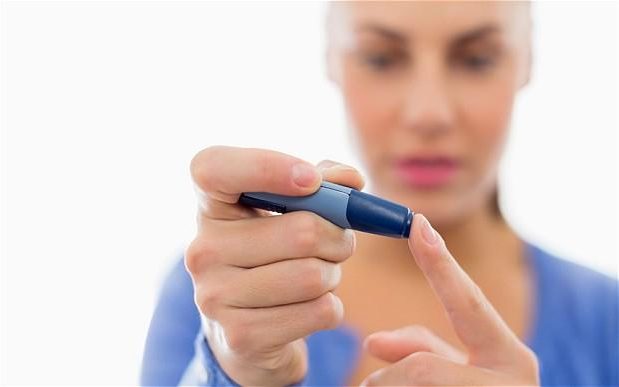
As you lose weight, your blood sugar levels and medication needs may change. Regular monitoring helps you and your healthcare team make necessary adjustments to your treatment plan. Check your blood glucose before and after meals, before exercising, and at bedtime to understand how different foods and activities affect your levels.
Understanding the connection between obesity and Type 2 diabetes can motivate you to stay committed to your weight loss journey, knowing that each pound lost brings tangible health benefits.
Creating Your Action Plan
Start with small, achievable changes rather than attempting a complete lifestyle overhaul. Consider keeping a food diary to identify patterns, planning meals in advance to avoid impulsive choices, and finding a form of physical activity you genuinely enjoy.
Remember that sustainable weight loss for diabetes management typically occurs at a rate of 1-2 pounds per week. Working with your healthcare team—including your doctor, diabetes educator, and dietitian—ensures your diet and exercise plan is both safe and effective for your individual needs.
Weight loss with Type 2 diabetes requires patience and consistency, but the rewards extend far beyond the number on the scale. Improved energy, better blood sugar control, reduced medication needs, and a lower risk of diabetes complications make every healthy choice worthwhile.
This website uses cookies to improve your experience. We'll assume you're ok with this, but you can opt-out if you wish.AcceptRejectRead More
Privacy & Cookies Policy
Privacy Overview
This website uses cookies to improve your experience while you navigate through the website. Out of these cookies, the cookies that are categorized as necessary are stored on your browser as they are essential for the working of basic functionalities of the website. We also use third-party cookies that help us analyze and understand how you use this website. These cookies will be stored in your browser only with your consent. You also have the option to opt-out of these cookies. But opting out of some of these cookies may have an effect on your browsing experience.