HealthSurgeon - Healthy Living and Fitness - Purium Coupon
Primary Navigation Menu
The Importance of Strong Healthy Bones and How to Improve Your Bone Health
Your bones are the framework that supports and protects your body, enabling you to move, stay active, and maintain posture. Beyond this structural role, bones also serve as a reservoir for essential minerals, produce blood cells, and contribute to overall metabolic health. As you age, bone health becomes increasingly important because bones can weaken, leading to conditions like osteoporosis, fractures, and reduced mobility. Fortunately, there are many ways to build and maintain strong, healthy bones throughout your life.
Bones are often taken for granted until a problem arises, but their strength and health are critical for several reasons:
Support and Structure
Bones provide the structural framework for your body, allowing you to stand, walk, and perform everyday activities. Without strong bones, the body would not have the stability and support needed to function properly.
Protection of Vital Organs
Your bones form protective structures around your vital organs. For example:
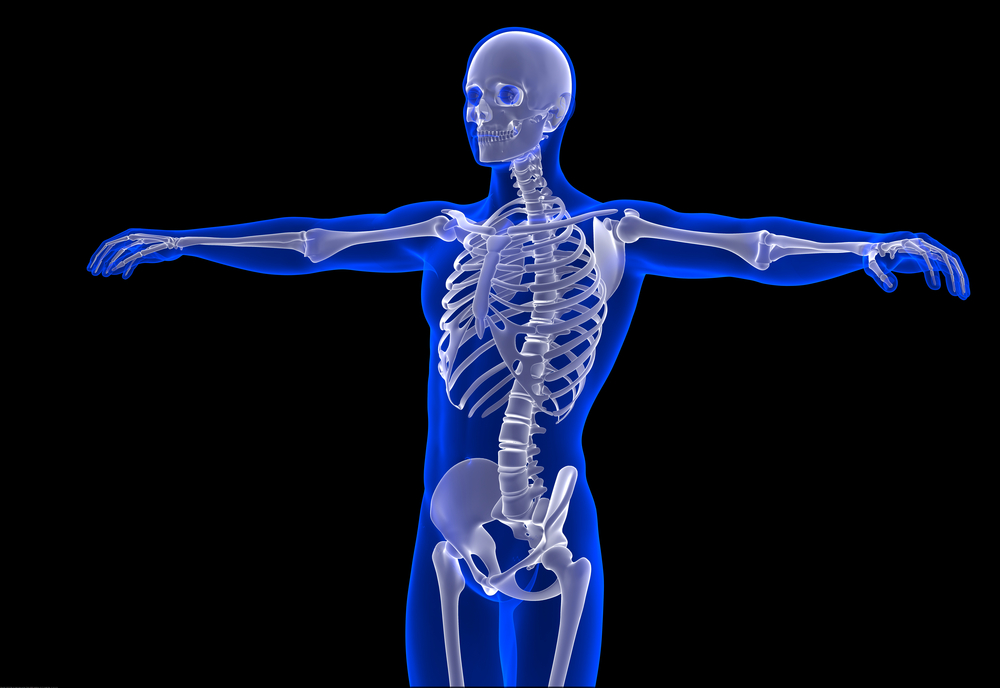
The skull encases your brain.
The ribcage shields your heart and lungs.
The spine protects the spinal cord, which connects your brain to the rest of your body.
Enabling Movement
Bones work together with muscles, tendons, and ligaments to allow movement. Your muscles pull on your bones, acting as levers that help you walk, lift, run, and perform other physical activities.
Mineral Storage
Bones act as a storehouse for vital minerals, particularly calcium and phosphorus. These minerals are essential for maintaining the strength of bones and are also involved in many body functions, such as nerve transmission and muscle contractions. When your body needs more calcium, it can draw from your bones to maintain normal blood calcium levels.
Blood Cell Production
Your bones contain bone marrow, where new red blood cells, white blood cells, and platelets are produced. Red blood cells carry oxygen, white blood cells fight infections, and platelets help with blood clotting.
Risks of Poor Bone Health
As you age, bone density naturally declines, but some factors can accelerate this process and lead to bone-related conditions. The risks of poor bone health include:
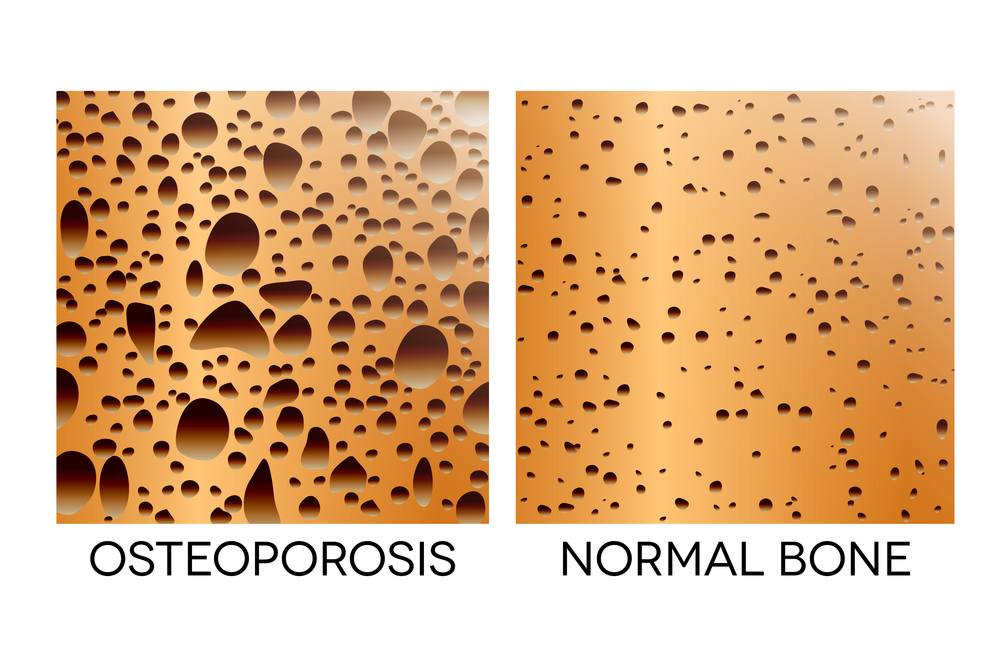
Osteoporosis is a condition where bones become weak and brittle, increasing the risk of fractures. It’s often called the “silent disease” because it progresses without symptoms until a fracture occurs, usually in the hip, wrist, or spine.
Fractures
Weak bones are more susceptible to fractures from falls, accidents, or even minor impacts. Hip fractures, in particular, can lead to long-term disability and decreased quality of life.
Loss of Mobility
Bone fractures, especially in older adults, can significantly reduce mobility and independence, making it difficult to perform everyday tasks.
Weak bones can lead to poor posture, particularly in the spine. Conditions like kyphosis (an exaggerated forward curvature of the spine) can develop, causing a stooped or hunched posture.
Ways to Improve and Maintain Bone Health
The good news is that bone health can be improved and maintained at any age by adopting specific lifestyle habits. Here are some proven ways to strengthen your bones and reduce the risk of bone-related conditions:
Calcium is the primary mineral responsible for bone strength. It’s important to get enough calcium to support bone density, especially as you age. Some excellent sources of calcium include:
Dairy products: Milk, yogurt, and cheese.
Leafy green vegetables: Kale, collard greens, and broccoli.
Fortified foods: Certain cereals, orange juice, and plant-based milks like almond or soy milk are fortified with calcium.
The recommended daily calcium intake varies by age:
Adults under 50: 1,000 mg per day.
Adults 50 and older: 1,200 mg per day.
Get Enough Vitamin D
Vitamin D is essential for calcium absorption and bone health. Without enough vitamin D, your body cannot absorb calcium properly, leading to weaker bones. You can get vitamin D from:
Sun exposure: The skin produces vitamin D when exposed to sunlight.
Foods: Fatty fish (salmon, tuna), egg yolks, fortified dairy, and cereals.
Supplements: If you live in a region with limited sunlight or have difficulty getting enough vitamin D from food, supplements may be necessary.
The recommended daily intake of vitamin D is:
Adults under 70: 600 IU per day.
Adults over 70: 800 IU per day.
Engage in Weight-Bearing and Strengthening Exercises
Regular exercise is one of the best ways to improve and maintain bone health. Weight-bearing exercises, such as walking, jogging, dancing, and tennis, help stimulate bone formation by putting stress on your bones. Strength training (lifting weights or using resistance bands) is also beneficial for increasing bone density and muscle strength.
Aim for:
Weight-bearing exercise: At least 30 minutes, 3-4 times per week.
Strength training: Two or more days a week to maintain muscle and bone mass.
Avoid Smoking and Limit Alcohol
Smoking has been shown to weaken bones by reducing the blood supply to bones, slowing the production of bone-forming cells, and decreasing calcium absorption. Smoking also leads to earlier menopause in women, further accelerating bone loss.
Excessive alcohol consumption can interfere with your body’s ability to absorb calcium and can affect bone health over time. For optimal bone health, limit alcohol intake to:
Being underweight can lead to weaker bones, increasing the risk of fractures and osteoporosis. On the other hand, being overweight can put extra stress on your bones and joints, particularly in the hips and knees.
Maintaining a healthy weight through balanced nutrition and regular exercise ensures that your bones are strong enough to support your body without becoming overburdened.
Consider Bone-Boosting Supplements
If your diet is lacking in calcium, vitamin D, or other nutrients essential for bone health, you may need supplements. Some supplements that support bone health include:
Calcium: Calcium supplements can help fill any gaps in your diet.
Vitamin D: If you don’t get enough sun or vitamin D from food, supplements may be necessary.
Magnesium: Magnesium plays a role in bone formation and helps regulate calcium levels.
Vitamin K2: Vitamin K2 helps direct calcium to your bones and keeps it out of your arteries, where it could lead to calcification.
Before starting any supplement regimen, consult your healthcare provider to determine what’s best for you.
Prevent Falls
Falls are a major cause of fractures, particularly in older adults. To prevent falls and protect your bones:
Improve balance and strength through exercises like yoga or tai chi.
Make your home safe by removing trip hazards, installing handrails, and ensuring adequate lighting.
Use assistive devices like a cane or walker if necessary to improve stability.
Conclusion
Strong, healthy bones are essential for maintaining mobility, preventing fractures, and ensuring an active and independent lifestyle as you age. By focusing on a balanced diet rich in calcium and vitamin D, engaging in regular weight-bearing and strength-training exercises, and avoiding harmful habits like smoking, you can significantly improve your bone health. Investing in your bones now will pay off in the long run, allowing you to enjoy a higher quality of life with strong, resilient bones.
Purium products that support Healthy Bone Density:
This website uses cookies to improve your experience. We'll assume you're ok with this, but you can opt-out if you wish.AcceptRejectRead More
Privacy & Cookies Policy
Privacy Overview
This website uses cookies to improve your experience while you navigate through the website. Out of these cookies, the cookies that are categorized as necessary are stored on your browser as they are essential for the working of basic functionalities of the website. We also use third-party cookies that help us analyze and understand how you use this website. These cookies will be stored in your browser only with your consent. You also have the option to opt-out of these cookies. But opting out of some of these cookies may have an effect on your browsing experience.