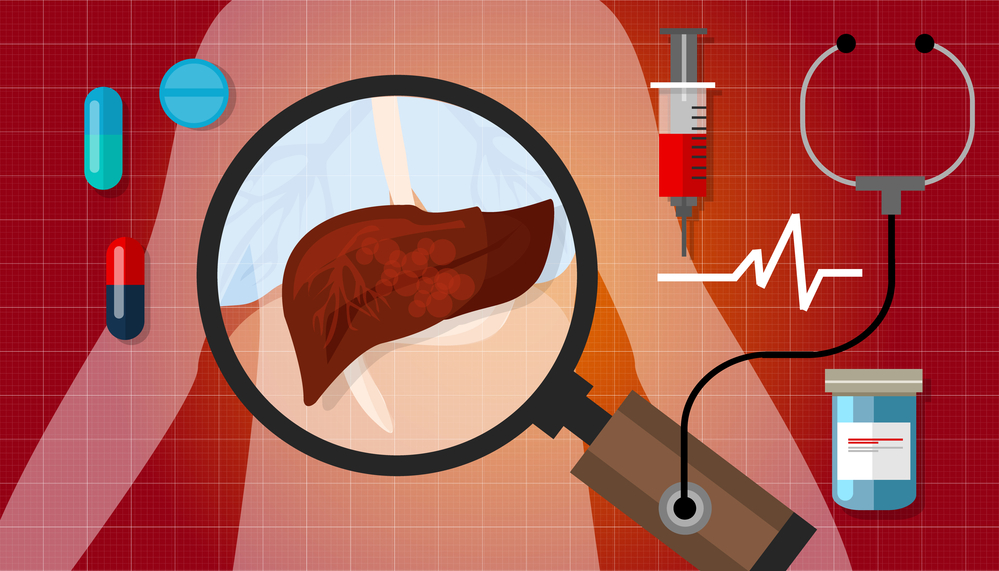
Several foods and dietary habits can negatively impact liver health, especially when consumed in excess or over prolonged periods.
Here are some of the most common culprits:
- Chronic alcohol consumption is one of the leading causes of liver damage. Over time, excessive alcohol intake can lead to fatty liver, alcoholic hepatitis, fibrosis, and eventually cirrhosis.
- Fried Foods
- Foods high in saturated and trans fats, such as fried items, can contribute to fatty liver disease. Regular consumption of these can lead to weight gain and liver inflammation.
- Sugary Foods and Drinks
- Foods high in refined sugar, especially fructose found in sodas and candy, can overload the liver. High fructose intake is linked to non-alcoholic fatty liver disease (NAFLD) because excess sugar is converted into fat.
- Processed Foods
- Processed meats, packaged snacks, and fast food are often high in preservatives, unhealthy fats, and sodium. These can lead to inflammation and contribute to liver diseases over time.
- Red Meat
- While lean proteins can be part of a healthy diet, consuming large amounts of red meat, which is high in saturated fat, can increase fat accumulation in the liver and contribute to fatty liver disease.
- Salt
- Excess sodium can cause water retention and damage liver function over time. Processed foods, canned goods, and fast food are usually high in sodium.
- High-Calorie Diets
- Consuming more calories than your body can burn, particularly from unhealthy sources, leads to weight gain, which is a significant risk factor for NAFLD.
- Artificial Sweeteners and Additives
- Some studies suggest that excessive consumption of artificial sweeteners, certain food additives, and flavor enhancers may negatively impact liver health over time.
- Certain Herbal Supplements
- Some herbal products, such as kava and certain weight-loss supplements, have been associated with liver damage. Always consult a healthcare provider before using supplements.
Limiting these foods and focusing on a balanced diet rich in fruits, vegetables, whole grains, and lean proteins can promote liver health.
Foods that Support Liver Function
Certain foods can help promote liver health and improve its function by providing essential nutrients, supporting detoxification, and reducing inflammation. Here’s a list of liver-friendly foods:
- Leafy Green Vegetables
- Vegetables like spinach, kale, arugula, and Swiss chard are rich in antioxidants and chlorophyll, which help the liver neutralize heavy metals, chemicals, and pesticides. They can aid in detoxification.
- Garlic
- Garlic activates liver enzymes that help the body flush out toxins. It’s also high in selenium, a mineral that boosts antioxidant action and supports liver health.
- Beets
- Beets contain betalains, which help detoxify and reduce oxidative stress in the liver. They also improve bile production, which aids digestion and liver function.
- Turmeric
- This potent spice contains curcumin, which has strong anti-inflammatory properties. It helps boost the production of bile and assists in detoxification processes.
- Fatty Fish
- Fish like salmon, mackerel, and sardines are rich in omega-3 fatty acids, which help reduce liver fat and inflammation, promoting overall liver health.
- Berries (Blueberries, Raspberries, Cranberries)
- These fruits are high in antioxidants, particularly anthocyanins, which protect the liver from oxidative stress and reduce inflammation.
- Avocados
- Avocados are rich in healthy fats and contain glutathione, a compound that helps detoxify the liver and repair liver damage.
- Nuts (Especially Walnuts)
- Walnuts are high in omega-3 fatty acids and glutathione, both of which support detoxification and reduce liver inflammation.
- Citrus Fruits (Lemons, Limes, Oranges)
- Citrus fruits are high in vitamin C and antioxidants, which help the liver produce enzymes that aid in detoxification and digestion.
- Green Tea
- Green tea is packed with catechins, which are antioxidants that support liver function by reducing fat deposits and promoting detoxification.
- Olive Oil
- Healthy fats from olive oil help the liver by reducing fat accumulation, enhancing insulin sensitivity, and improving enzyme levels related to liver function.
- Cruciferous Vegetables (Broccoli, Cauliflower, Brussels Sprouts)
- These vegetables boost the liver’s natural detoxification enzymes and reduce inflammation. They are rich in fiber and compounds like sulforaphane, which promote liver health.
- Grapefruit
- Grapefruit contains naringenin and naringin, antioxidants that protect the liver by reducing inflammation and preventing fat buildup.
- Whole Grains (Brown Rice, Quinoa, Oats)
- Whole grains are rich in fiber, which supports liver function by promoting healthy digestion and reducing fat buildup.
- Apples are high in pectin, a soluble fiber that helps remove toxins from the digestive system, reducing the load on the liver.
- Artichokes
- Artichokes increase bile production, which helps remove toxins from the liver. They are also rich in antioxidants that protect liver cells.
Including these foods regularly in your diet can support liver detoxification processes, reduce inflammation, and protect liver cells from damage. Paired with a balanced diet, exercise, and limiting alcohol, these foods help maintain a healthy liver.
Sources:
https://liverfoundation.org/health-and-wellness/healthy-lifestyle/liver-disease-diets/
https://www.webmd.com/hepatitis/ss/slideshow-best-and-worst-foods-for-your-liver