HealthSurgeon - Healthy Living and Fitness - Purium Coupon
Primary Navigation Menu
Ebola Vaccine to Come “Too Late” in Late 2015
Understanding Ebola: Vaccine Development and Public Health Response
The 2014 Ebola outbreak in West Africa marked one of the most devastating public health crises in recent history, affecting primarily Guinea, Liberia, and Sierra Leone. With over 4,500 deaths and more than 9,000 infections at the height of the crisis, the epidemic highlighted the urgent need for effective vaccines and treatment protocols.
Ebola virus disease (EVD) was first discovered in 1976 by Prof Peter Piot at the London School of Hygiene and Tropical Medicine. Despite decades of research, developing a safe and effective vaccine proved challenging due to the complex nature of the virus and the difficulties in conducting clinical trials during outbreaks.
The Race to Develop an Ebola Vaccine
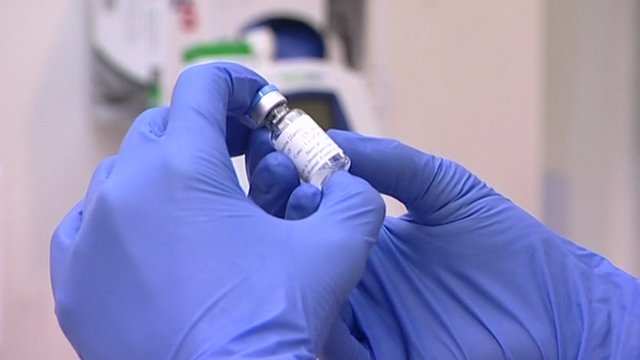
UK pharmaceutical giant GlaxoSmithKline worked to compress a typically 10-year vaccine development timeline into just 12 months during the 2014 outbreak. Dr. Ripley Ballou, head of the company’s vaccine development, acknowledged that even with accelerated timelines, the vaccine would arrive too late for the current crisis, with full public availability not expected until 2016.
The World Health Organization (WHO) predicted outbreak rates could reach 10,000 new cases per week, creating unprecedented urgency. Initial vaccine trials involved careful monitoring of volunteers like Nick Owen, who underwent regular check-ups after receiving the experimental injection. The next phase involved producing 20,000 doses for testing among healthcare workers—those at highest risk of infection transmission.
Current Treatment Approaches
Without a vaccine during the outbreak, medical professionals focused on managing symptoms, which include fever, severe headaches, diarrhea, vomiting, and in severe cases, internal and external bleeding. Supportive care—including maintaining proper hydration, managing electrolyte balance, and treating secondary infections—remained the primary approach.
Healthcare workers emphasized the importance of early detection and isolation to prevent disease spread. Understanding immune system function and maintaining overall health through proper nutrition became important factors in supporting the body’s natural defenses.
Public Health Response and Prevention
The 2014 outbreak, which began in March of that year, accelerated global cooperation in infectious disease response. Prevention strategies focused on educating communities about transmission risks, proper hygiene practices, and safe burial procedures for those who succumbed to the disease.
International health organizations worked to strengthen healthcare infrastructure in affected regions, train medical personnel in proper protective equipment use, and establish rapid response teams. These efforts laid groundwork for improved pandemic preparedness that would prove valuable for future health crises.
Lessons Learned and Future Preparedness
The Ebola outbreak underscored the importance of maintaining robust global health surveillance systems and the need for rapid vaccine development platforms. Today’s accelerated vaccine technologies build on lessons learned during this crisis. Maintaining strong overall health and supporting our immune systems remain important components of disease resistance.
While the 2014-2016 outbreak was devastating, it catalyzed improvements in international cooperation, vaccine research, and outbreak response protocols that continue to benefit global health security today.
This website uses cookies to improve your experience. We'll assume you're ok with this, but you can opt-out if you wish.AcceptRejectRead More
Privacy & Cookies Policy
Privacy Overview
This website uses cookies to improve your experience while you navigate through the website. Out of these cookies, the cookies that are categorized as necessary are stored on your browser as they are essential for the working of basic functionalities of the website. We also use third-party cookies that help us analyze and understand how you use this website. These cookies will be stored in your browser only with your consent. You also have the option to opt-out of these cookies. But opting out of some of these cookies may have an effect on your browsing experience.