
In today’s fast-paced world, stress has become almost unavoidable. Whether it’s due to work, family responsibilities, financial pressures, or global events, stress can take a heavy toll on both your mental and physical health. While medications can help, many people are seeking natural ways to relieve stress without relying on pharmaceuticals. Fortunately, there are numerous proven methods that can help you manage stress naturally and sustainably.
Here are 10 natural strategies to help you feel calmer, more centered, and more in control.
- Practice Deep Breathing
One of the quickest and most effective ways to relieve stress is through deep breathing exercises. Deep breathing stimulates the parasympathetic nervous system, which promotes a state of calmness.
How to Practice:
- Sit or lie down in a comfortable position.
- Inhale deeply through your nose for a count of four.
- Hold your breath for a count of four.
- Exhale slowly through your mouth for a count of six.
- Repeat for 5–10 minutes daily.
Research shows that deep breathing can lower cortisol levels, reduce blood pressure, and improve overall emotional well-being.
- Get Regular Exercise
Physical activity is a powerful natural stress reliever. Exercise releases endorphins, the body’s feel-good hormones, and helps lower levels of stress hormones like adrenaline and cortisol.
Best Forms of Exercise for Stress Relief:
- Brisk walking
- Swimming
- Yoga
- Dancing
- Cycling
Even just 20–30 minutes of moderate exercise a few times a week can make a noticeable difference in your stress levels.
The Japanese practice of “forest bathing,” or spending time in a wooded area, has been shown to reduce stress significantly. Nature exposure lowers cortisol levels, reduces anxiety, and can improve mood.
Ways to Connect with Nature:
- Take a walk in the park.
- Go hiking.
- Sit by a lake or beach.
- Spend time gardening.
If you live in an urban environment, even spending time in a green space or having houseplants can offer similar benefits.
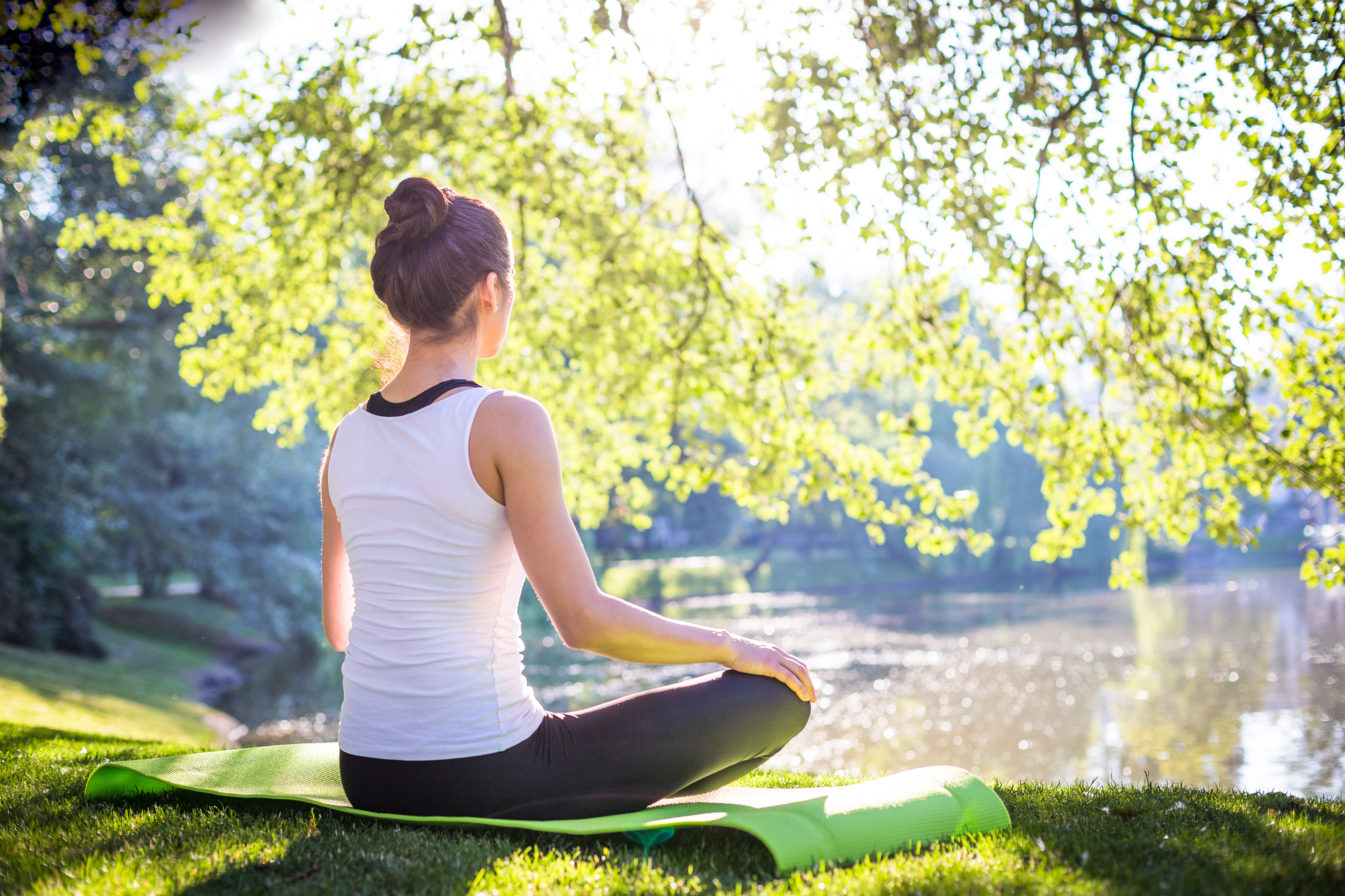
- Practice Mindfulness and Meditation
Mindfulness involves being fully present in the moment without judgment. Meditation, a related practice, helps train the mind to focus and calm itself.
Simple Meditation Technique:
- Find a quiet space.
- Close your eyes and focus on your breath.
- When thoughts arise, gently return your focus to breathing.
- Start with 5 minutes and gradually work up to 20 minutes a day.
Scientific studies suggest that mindfulness and meditation can physically change the brain to be less reactive to stress.
- Maintain a Healthy Diet
What you eat can influence your mood and stress levels. Diets high in sugar, processed foods, and caffeine can exacerbate anxiety, while nutrient-rich foods can promote a sense of calm.
Best Foods for Stress Relief:
- Leafy greens (rich in magnesium)
- Fatty fish (high in omega-3s)
- Nuts and seeds
- Berries (high in antioxidants)
- Herbal teas like chamomile or lavender
Staying hydrated and maintaining steady blood sugar levels also play critical roles in stress management.
- Get Quality Sleep
Sleep and stress are closely connected. Lack of sleep can increase stress levels, while stress can make it harder to fall asleep. It’s a vicious cycle that can be broken by improving sleep hygiene.
Tips for Better Sleep:
- Stick to a consistent bedtime routine.
- Limit screen time before bed.
- Keep your bedroom cool, quiet, and dark.
- Avoid caffeine and heavy meals before bedtime.
Aim for 7–9 hours of quality sleep each night to help your body and mind reset.
- Use Aromatherapy
Essential oils like lavender, chamomile, and bergamot have calming properties that can help reduce stress. Aromatherapy works through the olfactory system, directly affecting the part of the brain that regulates emotions.
How to Use Essential Oils:
- Diffuse them in your living space.
- Add a few drops to a warm bath.
- Apply diluted oils to your temples or wrists.
Aromatherapy is a simple, non-invasive way to quickly create a calming environment.
- Try Journaling
Writing about your thoughts and feelings can be a powerful way to process emotions and reduce stress. Journaling can help you gain perspective, set goals, and track your progress in managing stress.
Journaling Prompts to Get Started:
- What am I grateful for today?
- What’s causing me the most stress right now?
- What are three things I can do to take care of myself today?
Aim to journal for at least 5–10 minutes a day for the best results.
- Connect with Loved Ones
Social support is one of the strongest buffers against stress. Talking to friends, family members, or even support groups can help you feel understood and less isolated.
Ways to Foster Connection:
- Schedule regular coffee dates or phone calls.
- Join a club or community group.
- Volunteer for a cause you care about.
Strong relationships provide emotional support and a sense of belonging, both of which are vital for stress management.
- Set Boundaries and Learn to Say No
One of the biggest sources of stress is taking on too much. Learning to set healthy boundaries — both at work and in personal life — is essential for preserving your mental health.
Boundary-Setting Tips:
- Be honest and assertive about your needs.
- Prioritize your time and energy.
- Practice saying no without guilt.
Remember, saying “no” to others often means saying “yes” to your own well-being.
Final Thoughts
Managing stress naturally doesn’t require drastic changes — small daily habits can add up to big improvements over time. By incorporating deep breathing, regular exercise, mindfulness, good nutrition, and strong social connections into your life, you can build resilience and cultivate a greater sense of peace and well-being.
Remember, it’s important to find the combination of strategies that work best for you. If your stress feels overwhelming or persists despite your efforts, it may be wise to seek guidance from a mental health professional.
Purium Products the promote Healthy Stress Response:
READ MORE: 28 Relaxing Things To Do Before Bed
Sources:
https://www.colorado.edu/law/25-quick-ways-reduce-stress
https://www.mayoclinic.org/healthy-lifestyle/stress-management/in-depth/stress-relievers/art-20047257
https://www.nhs.uk/mental-health/self-help/guides-tools-and-activities/tips-to-reduce-stress/