
The gut refers to your gastrointestinal tract. This includes the stomach, intestines, and colon. Your GI tract is in charge of breaking down food, absorbing nutrients, and eliminating waste. Your gut has a microbiome that is made up of trillions of microorganisms. These microorganisms are bacteria, viruses, and fungi. It is important to try to have a diverse and balanced gut microbiome to have optimal gut health.
Your gut microbiome can affect every organ in your body. Your gut health helps with healthy digestion. Healthy digestion maintains energy levels, and supports overall growth and development. Your gut is also a significant part of your immune system. About 80% of your immune system is located in the gut. If you have a weak gut you can’t have a strong immune system. Gut health can also affect your mental health by influencing your mood, stress, and cognitive function. It can affect your weight management affecting how your body’s metabolism is working. Skin health, conditions like eczema, acne, and psoriasis, should first be looked at as a gut health condition before other causes. Gut health can also affect heart health by helping regulate blood pressure.
The Five Gut Types
There are five different types of gut. Knowing what type of gut you have can help you manage your gut and get your microbiome back to a balanced and diverse state where it is working optimally. The five different types are stressed gut, toxic gut, autoimmune gut, gastric gut, and dysbiotic gut. Recognizing what gut type you have can help you care for your gut health.
Stressed Gut
Stressed gut occurs from any type of stress, physical, emotional, or mental. When your body responds to stress the adrenal glands respond with producing stress hormones which shut down the digestive system. Shutting down your digestive system allows harmful bacteria to get into your gut and multiply. Symptoms of a stressed out gut are gas, bloating, constipation, fatigue, decreased libido, trouble sleeping, hormone imbalances, anxiety, brain fog, and adrenal fatigue.
Toxic Gut
We are exposed to toxins daily. From what we eat to what we wear, cleaning products and cosmetics all contain different toxins. As we continue to be exposed to toxins it can increase your body’s toxic burden. This can lead to a toxic gut. If you have constant toxic intake you can end up developing a leaky gut. Symptoms include brittle nails and hair, acne, dry skin, food sensitivities, seasonal allergies, mood imbalances, abdominal cramping, gas, bloating, diarrhea, and irritable bowel syndrome.
Gastric Gut
Gastric gut is caused by the lower esophageal sphincter not closing properly. This is usually caused by eating too fast or poor digestion. Other causes of gastric gut are obesity, pregnancy, smoking, alcohol consumption, fatty foods, or the use of NSAIDs. Symptoms include gas, bloating, acid reflux, feeling full after eating, or feeling full shortly after eating a meal.
Autoimmune Gut
If you have an autoimmune gut you probably have more than one food sensitivity. Usually gluten or dairy are the two most common. Autoimmune gut is caused by long term use of antibiotics. Antibiotics have one job, kill bacteria and stop it from growing. Which can in turn cause the bacteria in your gut to become out of balance. Symptoms include skin problems, autoimmune diseases, allergies, and weakened immune systems.
Dysbiotic Gut
Dysbiotic gut means that it is gut out of balance. This type of gut can lead to conditions such as SIBO and Candida. It can happen with a diet that is high in carbohydrates, refined sugars, and alcohol. This type of gut is when the bad bacteria is more than the good bacteria. Symptoms include fatigue, frequent gas, weight gain, sugar cravings, leaky gut, constipation, or food sensitivities.
There is no exact way to figure out what type of gut you have. There are some gut microbiome testing kits where you can send a poop sample to a lab. Your poop can then be tested and see what kind of bacteria is found in it. Some doctors don’t rely on these tests because the gut microbiome is so complex and is still being researched and learned about. To help get your gut microbiome back to being at its best you can do an elimination diet. This can help eliminate foods that may cause trouble in your digestive tract. Another option is to focus on a diet that is full of a variety of whole foods, such as a mixture of fruits and vegetables. Adding prebiotics and probiotics into your daily regimen can also help balance your gut microbiome. If you have a bad bacteria overgrowth your doctor may suggest taking some antibiotics to stop the overgrowth.
Most people are unaware of what type of gut they have. This can lead them to not being able to best take care of their gut microbiome. Your gut impacts so much in your body such as your digestion, immune system, weight management, heart health and skin health. Having a healthy gut can help you have overall a healthy body.
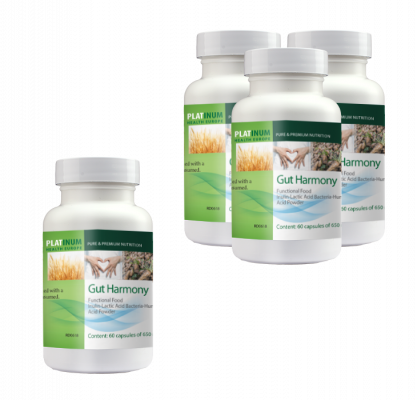
Purium Products that Promote a Healthy Gut include:
Sources:
https://www.amymyersmd.com/blogs/articles/what-gut-type-do-you-have
https://my.clevelandclinic.org/health/body/25201-gut-microbiome
https://www.nirvahealth.com/blog/types-of-gut