The sequence in which you consume different types of foods during a meal might seem inconsequential, but emerging research suggests it could have a significant impact on your health. While traditional advice has focused on what to eat, there is growing interest in how the order of food consumption affects digestion, blood sugar levels, and overall health. One practice that has gained attention is eating vegetables first. This article delves into the science behind food order and explores whether prioritizing vegetables in your meals can truly improve your health.
The Science of Food Order
When you eat, the foods you consume interact with your digestive system in specific ways. The speed at which food is digested, the absorption of nutrients, and the release of glucose into the bloodstream can all be influenced by the sequence of consumption.
- Impact on Blood Sugar Levels:
- When carbohydrates are eaten first, they are quickly broken down into glucose, causing a rapid spike in blood sugar levels. Elevated blood sugar, if frequent or prolonged, can contribute to insulin resistance, diabetes, and metabolic disorders.
- However, eating fiber-rich foods like vegetables first can slow gastric emptying, meaning that the digestion of subsequent foods is delayed. This results in a more gradual rise in blood sugar levels.
- Role of Fiber:
- Vegetables are high in fiber, which forms a gel-like substance in the stomach. This fiber not only slows the absorption of sugars but also promotes satiety, reducing the likelihood of overeating.
- Digestive Enzymes and Acidity:
- Certain foods require specific enzymes or acidic conditions to break down effectively. Eating vegetables first can prepare the stomach for efficient digestion of proteins and fats by stimulating digestive enzymes.
Benefits of Eating Vegetables First
Prioritizing vegetables at the start of your meal can have several health benefits, supported by both research and anecdotal evidence:
- Improved Blood Sugar Control:
- Studies have shown that eating vegetables before carbohydrates significantly reduces post-meal glucose spikes. For instance, a 2015 study published in Diabetes Care found that consuming vegetables and protein before carbohydrates led to a 29% reduction in post-meal blood sugar levels.
- Weight Management:
- Starting with vegetables can help control portion sizes by promoting satiety. When you begin your meal with high-fiber foods, you are less likely to overconsume calorie-dense foods like carbohydrates and fats.
- Enhanced Nutrient Absorption:
- Eating vegetables first may optimize the absorption of certain vitamins and minerals. For example, fat-soluble vitamins like A, D, E, and K found in vegetables are better absorbed when fats are consumed later in the meal.
- Digestive Health:
- Fiber in vegetables aids in maintaining a healthy gut by feeding beneficial bacteria, improving bowel movements, and preventing constipation. By eating fiber-rich foods first, you prime your digestive system for the rest of the meal.
- Reduction in Inflammation:
- Consistently high blood sugar levels can lead to chronic inflammation, which is linked to numerous diseases, including cardiovascular conditions and cancer. Eating vegetables first helps stabilize blood sugar, potentially reducing inflammatory responses.
Practical Tips for Implementing a “Vegetables First” Strategy
If you’re interested in experimenting with the order of your food intake, here are some practical steps to incorporate the “vegetables first” approach into your daily routine:
- Start with a Salad:
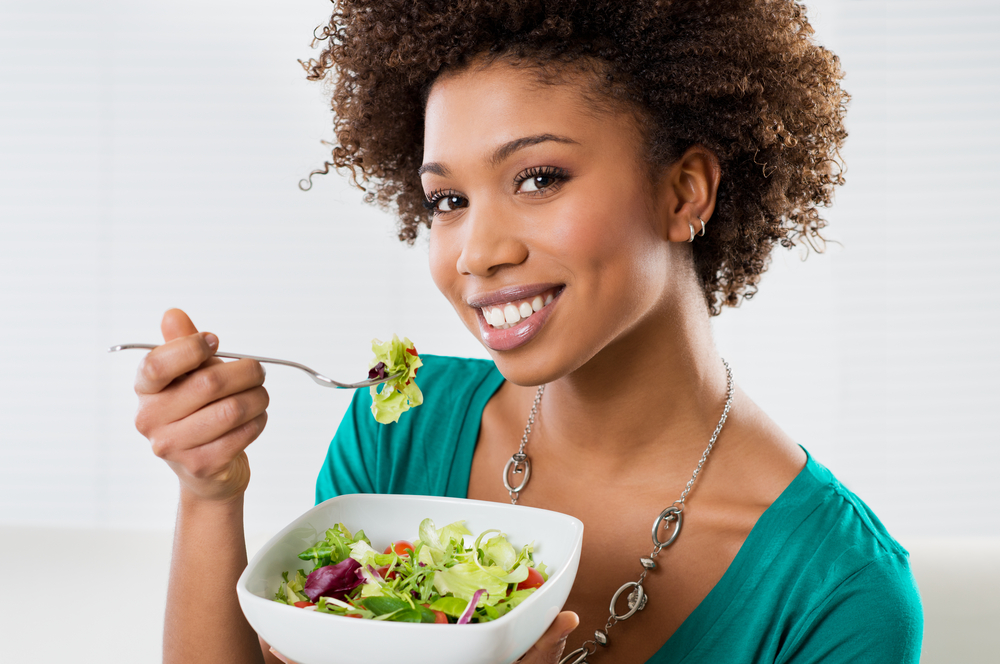
- A simple salad made with leafy greens, cucumbers, and other fresh vegetables can serve as an excellent starter. Adding a splash of olive oil and lemon juice can enhance flavor and nutrient absorption.
- Include Cooked Vegetables:
- Warm vegetable dishes like steamed broccoli, roasted carrots, or sautéed spinach can also make a satisfying first course.
- Plan Balanced Meals:
- Ensure your meals include a variety of macronutrients (proteins, carbohydrates, and fats) alongside the vegetables to provide a balanced nutritional profile.
- Be Mindful of Dressings and Additives:
- While salads and vegetable dishes are healthy, avoid calorie-laden dressings and toppings that may negate their benefits.
- Stick to Consistency:
- For optimal results, make eating vegetables first a consistent habit. Over time, this practice can help regulate blood sugar and support overall health.
Addressing Common Concerns
Some people might wonder whether eating vegetables first could interfere with their enjoyment of other foods or lead to digestive discomfort. Fortunately, most individuals find that the benefits outweigh these minor concerns:
- Taste Preferences:
- Eating vegetables first might initially feel unusual, but it often enhances the overall dining experience by balancing flavors and preventing overeating.
- Digestive Considerations:
- For individuals with sensitive stomachs, starting with cooked rather than raw vegetables may be easier to digest.
- Meal Planning:
- If time is a concern, preparing vegetable dishes in advance can make it easier to incorporate them into meals.
Some Purium Products that Boost Vegetable Consumption:
Conclusion: Can Eating Vegetables First Improve Your Health?
The evidence strongly supports the idea that eating vegetables first can positively impact your health. By starting meals with fiber-rich, nutrient-dense foods, you can improve blood sugar regulation, enhance satiety, and support long-term health goals. While this simple shift in eating habits might seem minor, its potential benefits are far-reaching, particularly for individuals managing weight, diabetes, or metabolic concerns.
Ultimately, the “vegetables first” strategy aligns with a broader understanding of mindful eating and nutritional balance. By prioritizing vegetables, you’re not only nourishing your body but also fostering a healthier relationship with food. So, the next time you sit down for a meal, consider reaching for the vegetables first—your body will thank you for it.
Sources:
https://news.weill.cornell.edu/news/2015/06/food-order-has-significant-impact-on-glucose-and-insulin-levels-louis-aronne#:~:text=The%20results%20showed%20that%20glucose,and%20vegetables%20were%20eaten%20first.
https://diabetesed.net/does-food-order-affect-post-meal-blood-sugar/
https://pmc.ncbi.nlm.nih.gov/articles/PMC10005673/