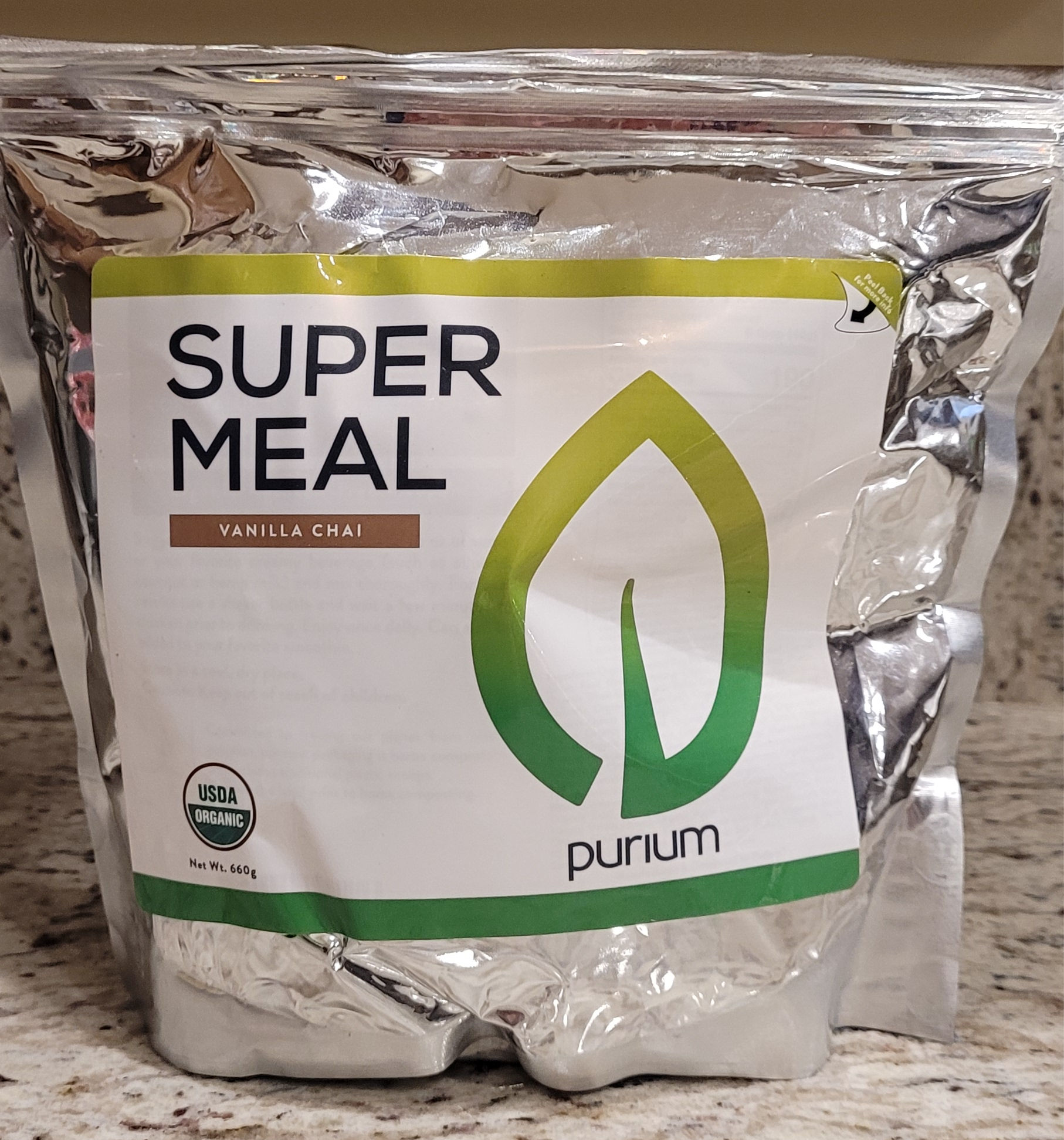

Meal replacement shakes are beverages designed to provide the nutrition of a full meal. They contain a balanced mix of protein, carbohydrates, fats, vitamins, and minerals. These shakes are engineered to offer a convenient and quick alternative to traditional meals, often coming in powder form to be mixed with water or milk, or as ready-to-drink formulas.
Historical Context and Evolution
The concept of meal replacements is not new. Historically, they began as simple nutritional supplements for those unable to consume solid food, evolving over time into sophisticated formulas aimed at various populations, including athletes, weight-conscious individuals, and those with specific dietary needs. The evolution of meal replacement shakes has been driven by advances in nutritional science and consumer demand for convenient, health-focused food options.
Common Misconceptions
There are several misconceptions surrounding meal replacement shakes. One common myth is that they are only for weight loss or that they inherently contain harmful additives. In reality, the quality and purpose of meal replacement shakes can vary widely, with many designed to support athletic performance and provide balanced nutrition rather than simply reducing calorie intake.
Purpose in Athletic Performance
In the context of athletic performance, meal replacement shakes serve multiple roles. They can be used to optimize nutrient intake when whole food is not available, practical, or digestible. Athletes may utilize these shakes to meet elevated nutritional requirements, support muscle recovery, and ensure consistent energy supply. The precise formulation of a meal replacement shake can be tailored to support the specific phase of an athlete’s training or recovery cycle.
Nutritional Composition of Meal Replacement Shakes
Macronutrients: Proteins, Carbohydrates, and Fats
Meal replacement shakes are designed to provide a balanced distribution of macronutrients, mirroring the nutritional profile of a complete meal. Proteins in these shakes often come from sources such as whey, soy, or pea, and are essential for muscle repair and growth. Carbohydrates serve as the primary source of energy, with a focus on complex carbs for sustained release. Fats are included for their role in hormone production, brain function, and satiety, with an emphasis on healthy fats like MCTs (medium-chain triglycerides) or omega-3 fatty acids.
Micronutrients: Vitamins and Minerals
Aside from macronutrients, meal replacement shakes are fortified with essential vitamins and minerals to support overall health. These micronutrients play a role in energy metabolism, immune function, and bone health, among other physiological processes. The inclusion of a broad spectrum of vitamins and minerals ensures that athletes can meet their daily nutritional requirements, especially when whole food intake may be limited.
Additional Supplements: Fiber, Probiotics, and Enzymes
Many meal replacement shakes also contain fiber to promote digestive health and enhance satiety. Probiotics are sometimes included to support gut health, which is crucial for nutrient absorption and immune function. Additionally, digestive enzymes may be added to improve the breakdown and assimilation of nutrients, ensuring that the body can efficiently utilize the shake’s components.
Understanding the Ingredient List
It is important for athletes and consumers to understand the ingredient list on meal replacement shakes. This includes recognizing the source and quality of the macronutrients, the types of added sugars or sweeteners, the presence of artificial additives or preservatives, and the inclusion of any allergens or intolerances. Transparency in labeling allows for informed choices that align with dietary preferences and restrictions, as well as performance goals.
In summary, meal replacement shakes offer a convenient and efficient way to consume a nutrient-dense meal that supports athletic performance and recovery. By understanding the nutritional composition of these shakes, athletes can make informed decisions that contribute to their overall dietary strategy and help maximize their athletic potential.
Benefits of Meal Replacement Shakes for Athletes
Convenience and Time Efficiency
For athletes, managing time effectively is as crucial as their training regimen. Meal replacement shakes offer a swift and convenient way to fuel the body, especially when time constraints or busy schedules limit the opportunity for a full meal. These shakes provide a balanced blend of nutrients in a portable format, allowing athletes to maintain their nutrition on-the-go and ensure they never miss a vital meal.
Supporting Muscle Recovery and Growth
Post-exercise recovery is pivotal for muscle repair and growth. Meal replacement shakes often contain high-quality proteins, which are essential for muscle synthesis. Studies have shown that consuming protein immediately after exercise can significantly enhance muscle recovery and growth. Shakes enriched with amino acids like leucine can further stimulate muscle protein synthesis, making them an excellent choice for post-workout nutrition.
Weight Management and Body Composition
Athletes aiming to manage their weight or alter body composition can benefit from meal replacement shakes. These shakes can provide a controlled portion of calories and nutrients, which is helpful for those looking to lose, maintain, or gain weight in a structured manner. Additionally, the high protein content can aid in preserving lean muscle mass during weight loss phases.
Hydration and Electrolyte Balance
Hydration is a key component of athletic performance. Meal replacement shakes that include electrolytes help maintain fluid balance, which is crucial during prolonged or intense training sessions. Proper hydration supports various physiological functions, including muscle function and temperature regulation, thereby enhancing overall performance.
In conclusion, meal replacement shakes can be a valuable addition to an athlete’s dietary strategy, offering convenience, supporting recovery and growth, aiding in weight management, and contributing to hydration and electrolyte balance. However, it’s important to select shakes that are tailored to the athlete’s specific nutritional needs and to use them as part of a balanced diet that includes whole foods.
Integrating Meal Replacement Shakes into an Athletic Diet
When to Use Meal Replacement Shakes
Meal replacement shakes can be a valuable tool for athletes with demanding schedules or those who need to manage their weight while maintaining muscle mass. They are particularly useful when whole food is not available, or time constraints make regular meal preparation impractical. Athletes might consider meal replacement shakes as a pre-workout energy boost, a post-workout recovery aid to replenish glycogen stores and provide essential proteins, or as a convenient meal on-the-go during busy days.
Balancing Whole Foods and Shakes
While meal replacement shakes offer convenience, they should not completely replace whole foods in an athlete’s diet. Whole foods provide a broader spectrum of nutrients, including antioxidants, phytochemicals, and dietary fiber, which are essential for overall health and can help reduce inflammation and oxidative stress associated with intense training. Athletes should aim to consume a diet rich in fruits, vegetables, lean proteins, whole grains, and healthy fats, using shakes to supplement this diet when necessary.
Customizing Shakes to Individual Needs
Every athlete has unique nutritional requirements based on their sport, position, body composition, and metabolism. Customizing meal replacement shakes to meet these individual needs is crucial. Athletes can adjust the macronutrient ratios, add specific supplements like creatine for muscle mass or caffeine for increased alertness, and choose shakes with additional vitamins and minerals to address any potential deficiencies. Consulting with a sports nutritionist can help in creating a personalized shake that aligns with training demands and dietary goals.
Pre- and Post-Workout Considerations
Pre-Workout: Consuming a shake before training can provide a controlled dose of carbohydrates and proteins, fueling the muscles and preventing catabolism. Athletes should opt for shakes that are low in fat and fiber to minimize gastrointestinal discomfort during exercise.
Post-Workout: Post-exercise nutrition is critical for recovery. A shake with a blend of carbohydrates and proteins can expedite muscle repair and glycogen replenishment. The timing is key; consuming a shake within the 30-minute “anabolic window” post-workout can maximize recovery and muscle synthesis.
In conclusion, meal replacement shakes can be an effective component of an athletic diet when used judiciously. They should complement a diet rich in whole foods, be tailored to the athlete’s individual needs, and be consumed at strategic times to enhance performance and recovery.
Potential Drawbacks and Considerations
Understanding Limitations and Risks
While meal replacement shakes offer convenience and can help with weight management and muscle recovery, they are not without limitations and potential risks. It’s essential to recognize that these shakes are supplements and not complete food replacements. They may lack the variety of nutrients found in whole foods, potentially leading to deficiencies if relied upon exclusively. Additionally, overconsumption of certain nutrients, such as vitamins and minerals, can occur if shakes are not used judiciously alongside a balanced diet.
Allergens and Intolerances
Meal replacement shakes often contain common allergens such as dairy, soy, and gluten. For individuals with allergies or intolerances, consuming these shakes can lead to adverse reactions ranging from mild discomfort to severe allergic responses. It is crucial for consumers to carefully read ingredient labels and choose shakes that align with their dietary restrictions.
The Importance of Ingredient Quality
The quality of ingredients in meal replacement shakes significantly impacts their overall health benefits. Shakes with high-quality, minimally processed ingredients are generally more beneficial than those with a long list of artificial additives, sweeteners, and preservatives. Athletes should opt for shakes with a clear ingredient list, where the source of protein and other nutrients is easily identifiable and not obscured by fillers or artificial substances.
Psychological and Social Aspects of Meal Replacements
Reliance on meal replacement shakes can also have psychological and social implications. The convenience of shakes might lead to reduced social interactions during meal times and a disconnection from the cultural and emotional aspects of eating whole foods. Furthermore, the use of shakes as a weight management tool can contribute to an unhealthy relationship with food, where the focus shifts from nourishment to purely caloric intake.
Choosing the Right Meal Replacement Shake
When selecting a meal replacement shake, athletes should consider their specific dietary needs, the shake’s macronutrient profile, and the presence of any additional performance-enhancing ingredients like creatine or branched-chain amino acids (BCAAs). It’s also important to consider the taste and mixability of the product, as these factors can influence the likelihood of consistent use. Finally, the price point and value for money should be evaluated to ensure the shake is a cost-effective supplement to the athlete’s diet.
In conclusion, while meal replacement shakes can play a role in maximizing athletic performance, they should be used with an understanding of their limitations, potential risks, and the importance of ingredient quality. Athletes must also consider the psychological and social aspects of replacing whole meals with shakes and make informed choices that support both their performance goals and overall well-being.
Choosing the Right Meal Replacement Shake
Evaluating Product Labels and Claims
When selecting a meal replacement shake, it’s crucial to scrutinize product labels and marketing claims. Look for shakes that provide a balanced ratio of macronutrients, with an emphasis on high-quality protein sources, complex carbohydrates, and healthy fats. Be wary of products with excessive sugar content or artificial additives. Claims such as “clinically proven” or “doctor recommended” should be backed by credible scientific research. It’s also important to check for serving sizes and the number of servings per container to ensure you’re getting good value and proper nutrition from each shake.
Organic, Vegan, and Clean Label Criteria
For those with specific dietary preferences or restrictions, it’s important to consider shakes that meet organic, vegan, or clean label standards. Organic shakes are made with ingredients grown without synthetic pesticides or fertilizers, while vegan shakes are free from animal-derived components. Clean label shakes are typically free from artificial colors, flavors, and preservatives. These criteria not only align with personal values but can also be indicative of product quality and the brand’s commitment to health and sustainability.
Taste, Texture, and Mixability
The sensory aspects of a meal replacement shake, such as taste and texture, play a significant role in overall satisfaction and adherence to a dietary regimen. A shake should have a pleasant taste and a smooth texture without being overly gritty or chalky. Mixability is also key; the powder should dissolve easily in liquids without clumping. Sampling different flavors and brands, or seeking out sample packs, can help you find a shake that you’ll enjoy consuming regularly.
Price Point and Value for Money
Meal replacement shakes can vary widely in price. While cost should not be the sole determining factor, it’s important to consider whether a shake provides value for money. Compare the cost per serving, taking into account the nutritional content and quality of ingredients. Higher-priced shakes may use superior ingredients or offer additional health benefits, but there are also affordable options that do not compromise on quality. Balancing cost with nutritional benefits and personal budget constraints will help you make an informed decision.
Conclusion
Choosing the right meal replacement shake involves careful consideration of nutritional content, dietary standards, sensory qualities, and cost. By evaluating product labels, considering personal dietary needs, and assessing the value for money, you can select a shake that supports your athletic performance and aligns with your health goals. Remember, while meal replacement shakes can be a convenient and effective tool for athletes, they should complement a balanced diet rich in whole foods.
Conclusion: Empowering Athletes with Informed Choices
Summarizing Key Takeaways
Throughout this article, we have explored the multifaceted role of meal replacement shakes in maximizing athletic performance. Key takeaways include the understanding that meal replacement shakes can provide a convenient source of balanced nutrition, particularly when whole food options are not practical or available. These shakes are formulated to deliver a spectrum of essential macronutrients—proteins, carbohydrates, and fats—as well as vital micronutrients, vitamins, and minerals that support an athlete’s rigorous demands.
Meal replacement shakes offer benefits such as aiding muscle recovery and growth, managing weight and body composition, and maintaining hydration and electrolyte balance. They can be integrated into an athlete’s diet, considering individual needs and the timing of consumption relative to training and competition. However, it is crucial to recognize potential drawbacks, including the risk of nutrient deficiencies, allergens, and the importance of choosing high-quality ingredients.
Encouraging Continued Research and Personal Experimentation
While meal replacement shakes can be a valuable tool in an athlete’s arsenal, it is essential to encourage ongoing research and personal experimentation. Nutritional science is an ever-evolving field, and what works for one athlete may not work for another. Athletes should be proactive in staying informed about the latest research and be willing to adjust their nutritional strategies accordingly. Personal experimentation, under the guidance of a sports nutritionist or dietitian, can help athletes fine-tune their intake of meal replacement shakes to better suit their individual needs and goals.
Final Thoughts on Meal Replacement Shakes in Athletic Diets
In conclusion, meal replacement shakes can play a significant role in an athlete’s diet, but they should not be seen as a one-size-fits-all solution or a complete substitute for whole foods. Instead, they should be used strategically to supplement an already nutritious diet, particularly when convenience and time efficiency are of the essence. Athletes should make informed choices based on a thorough understanding of their nutritional needs, the quality of the meal replacement products, and the context of their training and competition schedules.
Ultimately, the goal is to empower athletes to make informed choices that support their performance and overall health. By combining the convenience of meal replacement shakes with a balanced diet and proper hydration, athletes can strive for peak performance while maintaining a robust and resilient body.
Sources:
https://www.runnersworld.com/nutrition-weight-loss/a39000533/are-meal-replacement-shakes-healthy/
https://www.webmd.com/diet/what-to-know-about-meal-replacement-shakes
https://barbend.com/meal-replacement-shakes-pros-cons/