HealthSurgeon - Healthy Living and Fitness - Purium Coupon
Primary Navigation Menu
How to Treat and Cure Eczema Naturally at Home
Understanding Eczema: More Than Just a Rash
Eczema, medically known as atopic dermatitis, affects approximately 10% of adults and 20% of children worldwide according to research published by the National Institutes of Health. This autoimmune and inflammatory skin condition goes far beyond a simple rash—it involves skin barrier dysfunction, immune dysregulation, and environmental triggers that can significantly impact quality of life.
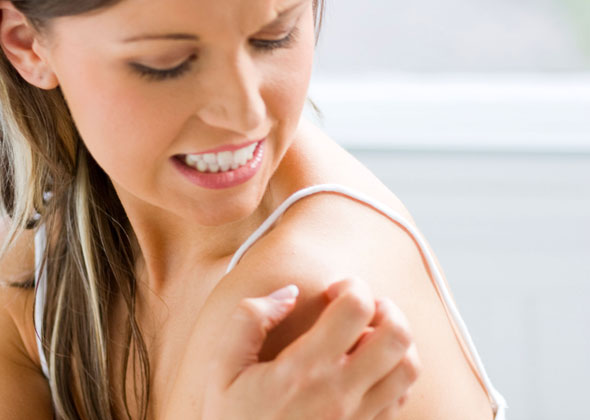
Common symptoms include intense itching, redness, dry cracked skin, and inflammation. Several types exist, with atopic eczema being the most prevalent, followed by contact dermatitis, hand eczema, and dyshidrotic eczema.
Evidence-Based Natural Treatments That Work
While eczema cannot always be cured, several natural approaches have solid scientific backing for managing symptoms and reducing flares:
Colloidal Oatmeal Baths
Anti-inflammatory compounds in colloidal oatmeal soothe itching and reduce inflammation. Mayo Clinic research supports this traditional remedy, recommending 15-minute soaks in lukewarm water mixed with finely ground oatmeal.
Raw Honey and Coconut Oil
Manuka honey provides antimicrobial properties and promotes wound healing, while virgin coconut oil (VCO) has demonstrated superior results to mineral oil in clinical trials. NIH studies show VCO’s antibacterial action against Staphylococcus aureus, a bacterium that commonly colonizes eczema-affected skin.
Strategic Moisturizing
The most critical step: apply fragrance-free moisturizer within three minutes of bathing to seal in moisture. For severe flares, wet wrap therapy—a technique endorsed by dermatologists—can provide additional relief.
[aad_medi_c10]
Building a Protective Skincare Routine
Prevention matters as much as treatment. Avoid harsh soaps, hot water, and fragrances. Choose cotton clothing over wool or synthetic fabrics, which can irritate sensitive skin. Identifying personal triggers—dust, pollen, pet dander, or stress—allows you to minimize flares before they start.
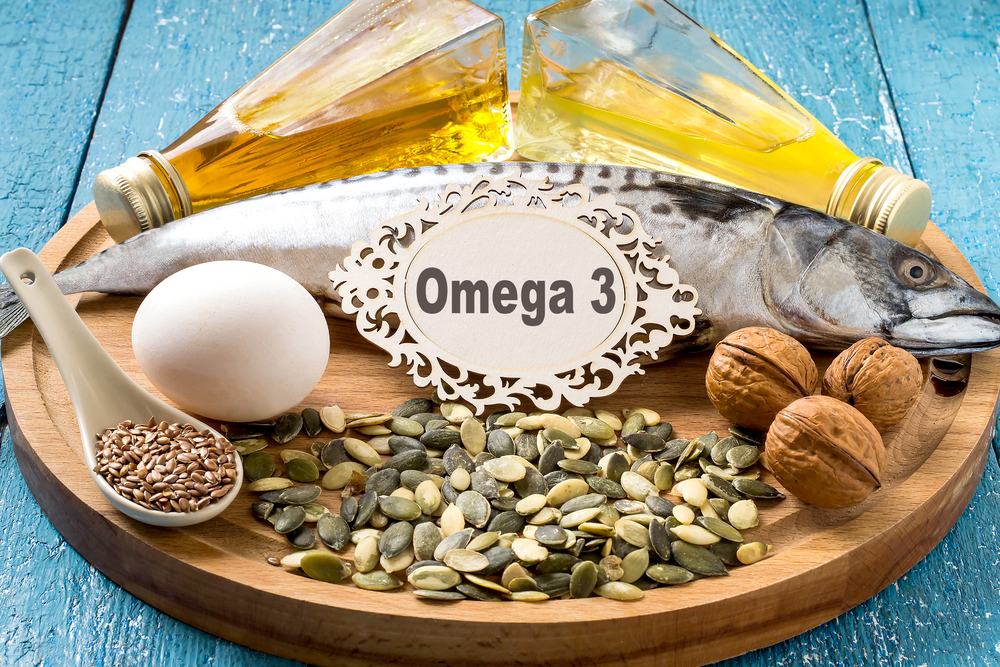
An anti-inflammatory diet rich in omega-3 fatty acids can support skin barrier function from the inside out. Managing stress is equally important, as elevated cortisol levels worsen inflammatory flares. Using a humidifier in dry climates or during winter months helps maintain skin hydration.
Certain warning signs require professional evaluation: signs of infection like pus, fever, or spreading redness; sleep disruption from persistent itching; large areas of affected skin; or no improvement after two weeks of home treatment. For severe cases with secondary infection risk, dermatologists may recommend dilute bleach baths—a protocol supported by the American Academy of Dermatology.
Eczema management is a journey of discovering what works for your unique skin. While these natural approaches have strong scientific support, they work best as part of a comprehensive strategy that addresses triggers, maintains skin barrier health, and reduces inflammation through multiple pathways.
This website uses cookies to improve your experience. We'll assume you're ok with this, but you can opt-out if you wish.AcceptRejectRead More
Privacy & Cookies Policy
Privacy Overview
This website uses cookies to improve your experience while you navigate through the website. Out of these cookies, the cookies that are categorized as necessary are stored on your browser as they are essential for the working of basic functionalities of the website. We also use third-party cookies that help us analyze and understand how you use this website. These cookies will be stored in your browser only with your consent. You also have the option to opt-out of these cookies. But opting out of some of these cookies may have an effect on your browsing experience.