HealthSurgeon - Healthy Living and Fitness - Purium Coupon
Primary Navigation Menu
Natural Relief for Pruritus: How to Soothe Itchy Skin Without Chemicals
Pruritus is the medical term for itching — a persistent, uncomfortable sensation that prompts a need to scratch. While everyone experiences itching from time to time, chronic or intense pruritus can interfere with daily life, sleep, and emotional well-being. It can be caused by a wide array of issues including dry skin, allergic reactions, insect bites, eczema, psoriasis, systemic diseases like kidney or liver disorders, and even stress.
While conventional medicine often turns to corticosteroids, antihistamines, or immunosuppressants, these treatments can come with unwanted side effects. For those who prefer a more holistic path, many natural approaches can offer meaningful relief.
The Root Causes: Why Your Skin Might Be Itching
Before seeking treatment, it’s vital to understand what’s triggering the itch. Some common contributors include:
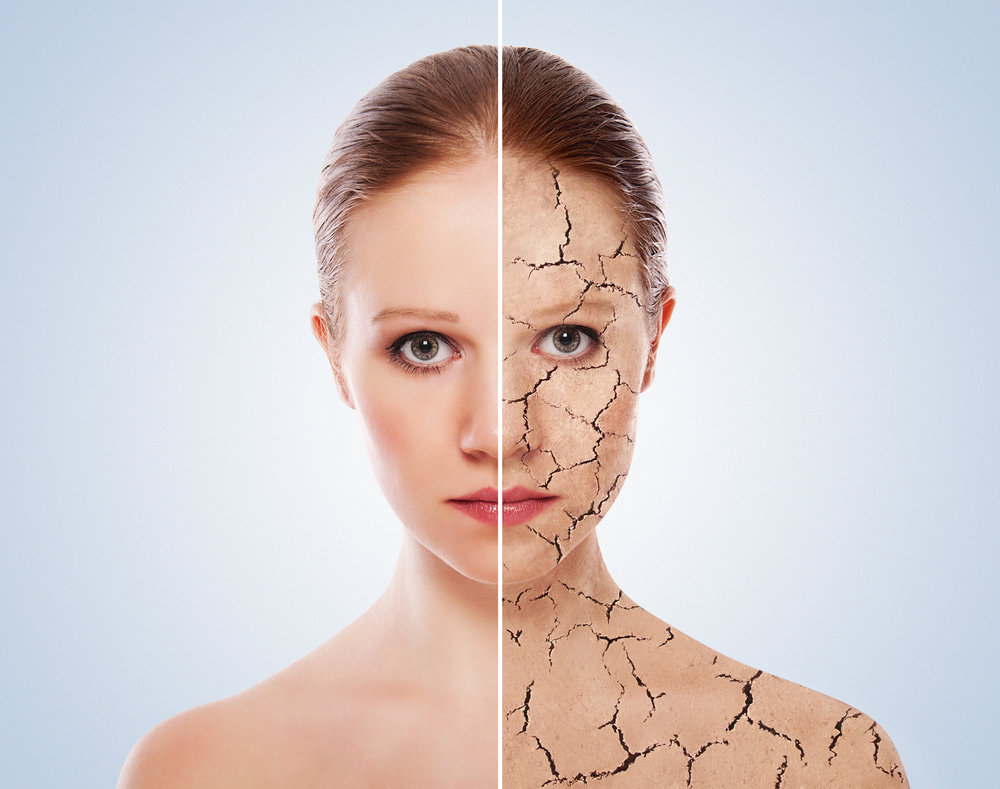
Dry Skin (Xerosis): Especially in colder months or dry climates, lack of moisture in the skin can lead to flaking, cracking, and itching.
Allergies and Irritants: Detergents, synthetic fabrics, fragrances, and certain foods can cause skin irritation or allergic reactions.
Inflammatory Skin Conditions: Eczema, psoriasis, and hives are common culprits.
Internal Imbalances:Liver disease, kidney failure, thyroid dysfunction, or iron deficiency can manifest as skin itching.
Psychological Triggers: Stress and anxiety have a documented link to skin conditions, often exacerbating or even initiating itching.
Identifying the underlying cause — ideally with the guidance of a holistic practitioner — is the first step toward effective natural relief.
Natural Remedies That Really Work
Here are several science-backed and traditional natural treatments that can ease itching without relying on synthetic medications:
Colloidal oatmeal is a finely ground oat flour that, when added to warm water, creates a milky, soothing bath. It contains avenanthramides, compounds known to reduce inflammation and itch.
How to Use: Add 1 cup of colloidal oatmeal to a warm bath. Soak for 15-20 minutes.
Aloe vera is anti-inflammatory, antimicrobial, and hydrating. Its cooling properties can immediately reduce the urge to scratch.
How to Use: Apply pure aloe vera gel (preferably from the plant) directly to itchy areas.
Best For: Sunburn, insect bites, and irritated skin.
Coconut Oil
Extra virgin coconut oil contains lauric acid, which has antimicrobial and anti-inflammatory properties. It’s also an excellent emollient that deeply hydrates dry, flaky skin.
How to Use: Apply a thin layer after a bath when skin is slightly damp to lock in moisture.
Best For: Dry skin, eczema, and mild dermatitis.
Apple Cider Vinegar
Its acetic acid content helps restore the skin’s natural pH and fight off bacteria or yeast overgrowth that can contribute to itching.
How to Use: Dilute with water (1:1 ratio) and apply with a cotton ball or add 1–2 cups to a bath.
Best For: Scalp itch, fungal infections, and allergic reactions.
Note: Avoid using on broken skin or open wounds.
Chamomile Compresses or Tea
Chamomile has natural antihistamine and anti-inflammatory effects. It can be taken internally or applied externally to calm skin.
How to Use: Brew chamomile tea, let it cool, and use it as a compress. You can also drink 2–3 cups a day.
Best For: Hives, stress-induced itching, and mild inflammation.
Peppermint Essential Oil
Menthol, found in peppermint, provides a cooling sensation that distracts from itching and helps calm nerve endings.
How to Use: Dilute a few drops in a carrier oil (like jojoba or almond) and massage onto affected skin.
Best For: Nerve-related itch, insect bites, and irritated skin.
Lifestyle Tips for Long-Term Itch Control
Natural relief is not just about spot treatment — it also involves proactive care. Here are some supportive lifestyle changes to help keep itching at bay:
Stay Hydrated
Drinking enough water keeps the skin supple from the inside out. Dehydration is a leading cause of dry, itchy skin. Use our Hydration Calculator!
Avoid Hot Showers
Hot water strips the skin of natural oils. Opt for lukewarm showers and keep them under 10 minutes.
Choose Natural Fabrics
Wear breathable clothing made of cotton or bamboo. Avoid wool or synthetic fabrics that can trigger irritation.
Chronic stress can amplify itching by increasing inflammation and disrupting immune balance. Incorporate mindfulness practices like yoga, meditation, or deep breathing.
If natural remedies fail to bring relief within a few days, or if itching is severe and unexplained, it’s important to consult a healthcare provider. Persistent pruritus can be a sign of an underlying health condition requiring medical intervention.
Watch for warning signs such as:
Unexplained weight loss
Fever
Jaundice (yellowing of the skin or eyes)
Intense itching without any visible rash
Night sweats
Final Thoughts: Nature’s Way to Itch Relief
Pruritus doesn’t always require a pharmacy solution. With patience and consistency, natural methods can offer powerful relief while supporting overall wellness. By addressing the root cause, nurturing the skin barrier, and adopting gentle daily habits, you can soothe the itch and restore your skin — and peace of mind — the natural way.
Whether your itch is from dry winter air, stress, or a mystery trigger, your body is asking for balance. Fortunately, nature provides the tools to listen, heal, and thrive.
This website uses cookies to improve your experience. We'll assume you're ok with this, but you can opt-out if you wish.AcceptRejectRead More
Privacy & Cookies Policy
Privacy Overview
This website uses cookies to improve your experience while you navigate through the website. Out of these cookies, the cookies that are categorized as necessary are stored on your browser as they are essential for the working of basic functionalities of the website. We also use third-party cookies that help us analyze and understand how you use this website. These cookies will be stored in your browser only with your consent. You also have the option to opt-out of these cookies. But opting out of some of these cookies may have an effect on your browsing experience.