HealthSurgeon - Healthy Living and Fitness - Purium Coupon
Primary Navigation Menu
Understanding Hair Loss: Causes, Treatment, Prevention, and When to Be Concerned
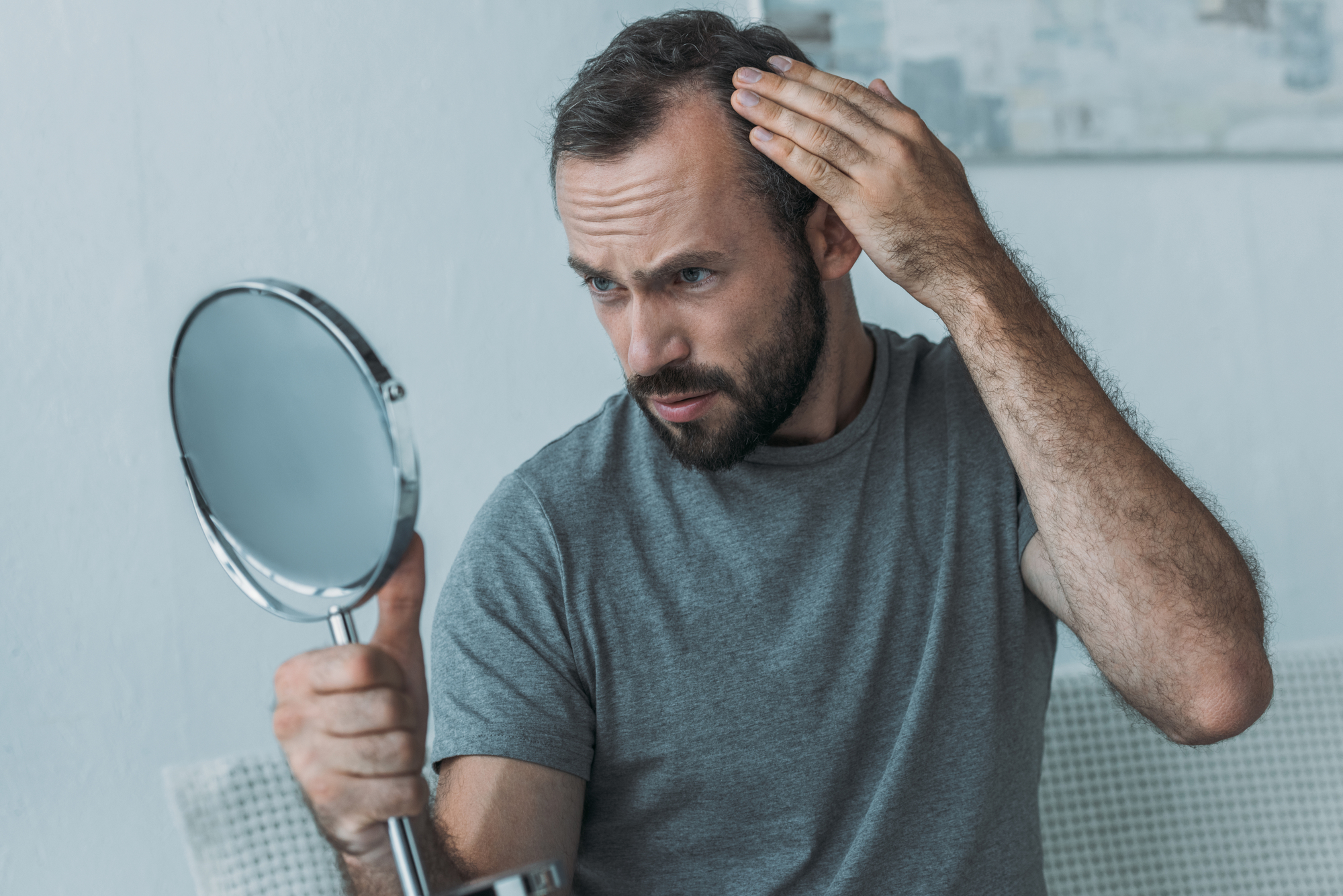
Hair loss, also known as alopecia, is a common issue that affects millions of people worldwide, both men and women. While shedding a certain amount of hair daily is normal, excessive hair loss can lead to thinning, bald spots, or even complete baldness. Hair loss can be temporary or permanent, depending on the underlying cause. This article explores the causes, treatments, and preventive measures for hair loss, as well as when it may be time to seek professional help.
Causes of Hair Loss
There are numerous reasons for hair loss, ranging from genetics to lifestyle factors. Understanding the root cause is essential for determining the best course of action. Here are some of the most common causes:
Genetic Factors (Androgenetic Alopecia)
Androgenetic alopecia, often referred to as male or female pattern baldness, is the most common cause of hair loss. This condition is hereditary and can be passed down from either parent. In men, it usually leads to a receding hairline or balding at the crown, while in women, it often results in diffuse thinning across the scalp.
Hormonal Changes
Hormonal imbalances can trigger hair loss. Conditions such as pregnancy, childbirth, menopause, and thyroid disorders can lead to temporary hair loss. Hormonal fluctuations can disrupt the normal hair growth cycle, causing more hair to enter the shedding phase (telogen) than usual.
Medical Conditions
Several health conditions can contribute to hair loss, including:
Alopecia areata: An autoimmune disorder where the immune system attacks hair follicles, causing round patches of hair loss.
Thyroid disorders: Both hypothyroidism and hyperthyroidism can lead to thinning hair.
Scalp infections: Fungal infections like ringworm can cause hair loss by damaging the scalp and hair follicles.
Chronic illnesses: Conditions such as diabetes and lupus can contribute to hair thinning or loss.
Medications and Treatments
Certain medications can cause hair loss as a side effect. These include drugs used for:
Radiation therapy to the head can also cause hair loss, which may be permanent depending on the dose and area treated.
Nutritional Deficiencies
Lack of essential nutrients can lead to hair thinning or loss. Key vitamins and minerals involved in healthy hair growth include:
Iron: Iron deficiency (anemia) is a common cause of hair loss, especially in women.
Protein: Hair is made primarily of protein, and a diet lacking in protein can weaken hair.
Vitamins B, D, and E: These vitamins play crucial roles in hair health. Deficiency in any of these can cause hair loss.
Stress
Both physical and emotional stress can lead to hair loss. Conditions like telogen effluvium, in which large numbers of hair follicles enter the shedding phase, can be triggered by stressors such as surgery, illness, significant weight loss, or emotional trauma.
Hair Care Practices
Certain hairstyles and hair care practices can damage the hair and scalp, leading to hair loss. This includes:
Tight hairstyles (e.g., ponytails, braids, or cornrows) that cause traction alopecia.
Heat styling tools like straighteners, curlers, and blow dryers.
Chemical treatments like bleaching, perms, or relaxers.
Treatment for Hair Loss
Treating hair loss depends on the underlying cause, and there are several treatment options available, ranging from topical solutions to medical interventions.
Medications
Minoxidil (Rogaine): A topical solution that can be applied directly to the scalp to promote hair growth. It’s available over-the-counter and is effective for both men and women.
Finasteride (Propecia): A prescription medication for men that works by reducing the hormone responsible for male pattern baldness. It’s typically taken as a pill.
Corticosteroids: For conditions like alopecia areata, corticosteroid injections or topical treatments can reduce inflammation and stimulate hair regrowth.
Hair Transplant Surgery
For permanent hair loss, particularly in cases of male or female pattern baldness, hair transplant surgery may be an option. This procedure involves taking hair from areas of the scalp where it’s still growing and transplanting it to bald areas.
Laser Therapy
Low-level laser therapy is an FDA-approved treatment that may help stimulate hair follicles and promote hair growth in people with androgenetic alopecia or other types of hair loss.
Platelet-Rich Plasma (PRP) Therapy
PRP therapy involves taking a small sample of your blood, processing it to concentrate the platelets, and then injecting it into your scalp. This can stimulate hair growth and improve hair density.
Nutritional Supplements
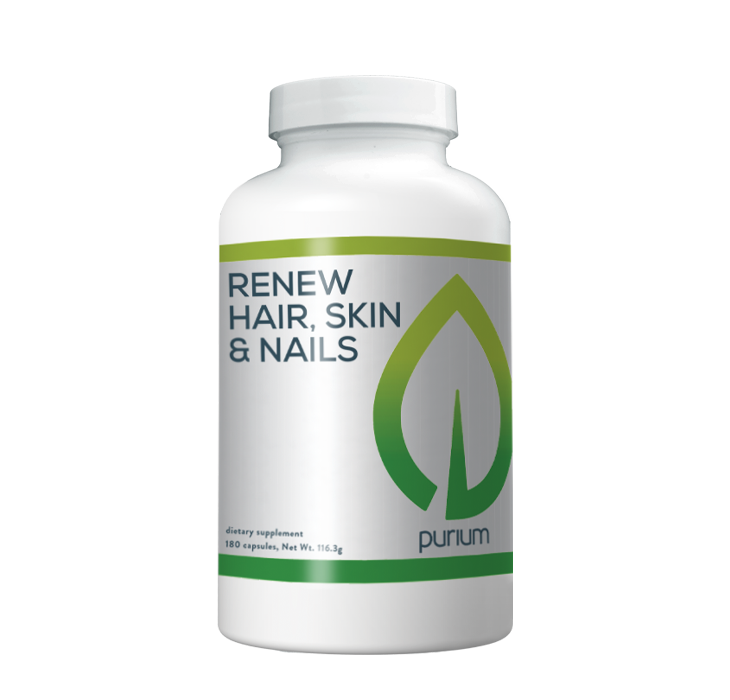
For hair loss caused by nutritional deficiencies, taking supplements may help restore healthy hair growth. Iron supplements, biotin, and omega-3 fatty acids are commonly recommended.
Prevention of Hair Loss
While some forms of hair loss are unavoidable, there are steps you can take to minimize the risk of hair loss or slow its progression:
Maintain a Healthy Diet
A balanced diet rich in vitamins and minerals is essential for healthy hair. Focus on consuming foods high in:
Vitamin D: Fatty fish, fortified dairy products, and sunlight exposure.
Biotin: Eggs, almonds, and whole grains.
Practice Gentle Hair Care
Avoid tight hairstyles that pull on the hair, and be gentle when washing and brushing your hair. Limit the use of heat styling tools and chemical treatments, as these can weaken the hair shaft and cause breakage.
Manage Stress
Stress can trigger or exacerbate hair loss, so managing stress through techniques like meditation, yoga, and regular exercise can help maintain healthy hair.
Use Protective Products
If you use heat styling tools, apply a heat protectant to minimize damage. Additionally, if you’re exposed to the sun for long periods, wearing a hat or using products with UV protection can shield your scalp from sun damage.
When to Be Concerned About Hair Loss
While hair loss can be a normal part of aging, there are instances when it may be a sign of an underlying issue that requires medical attention. You should consider seeing a doctor if:
Sudden or unexplained hair loss occurs. This could indicate a medical condition or reaction to medication.
Patches of hair loss develop, particularly if the scalp feels painful or inflamed.
Excessive shedding continues for several weeks or months.
Bald spots or thinning develop rapidly.
Hair loss is accompanied by other symptoms such as fatigue, weight loss, or changes in skin texture, which could signal a hormonal imbalance or other health conditions.
Conclusion
Hair loss can be distressing, but understanding the causes, treatments, and preventive measures can help manage and even reverse the condition in some cases. While some hair loss is inevitable due to genetics or aging, addressing any underlying health issues and taking steps to care for your hair and scalp can go a long way in maintaining healthy hair. If you’re concerned about the extent of your hair loss, consulting a healthcare professional or dermatologist can help identify the cause and provide personalized treatment options.
This website uses cookies to improve your experience. We'll assume you're ok with this, but you can opt-out if you wish.AcceptRejectRead More
Privacy & Cookies Policy
Privacy Overview
This website uses cookies to improve your experience while you navigate through the website. Out of these cookies, the cookies that are categorized as necessary are stored on your browser as they are essential for the working of basic functionalities of the website. We also use third-party cookies that help us analyze and understand how you use this website. These cookies will be stored in your browser only with your consent. You also have the option to opt-out of these cookies. But opting out of some of these cookies may have an effect on your browsing experience.