
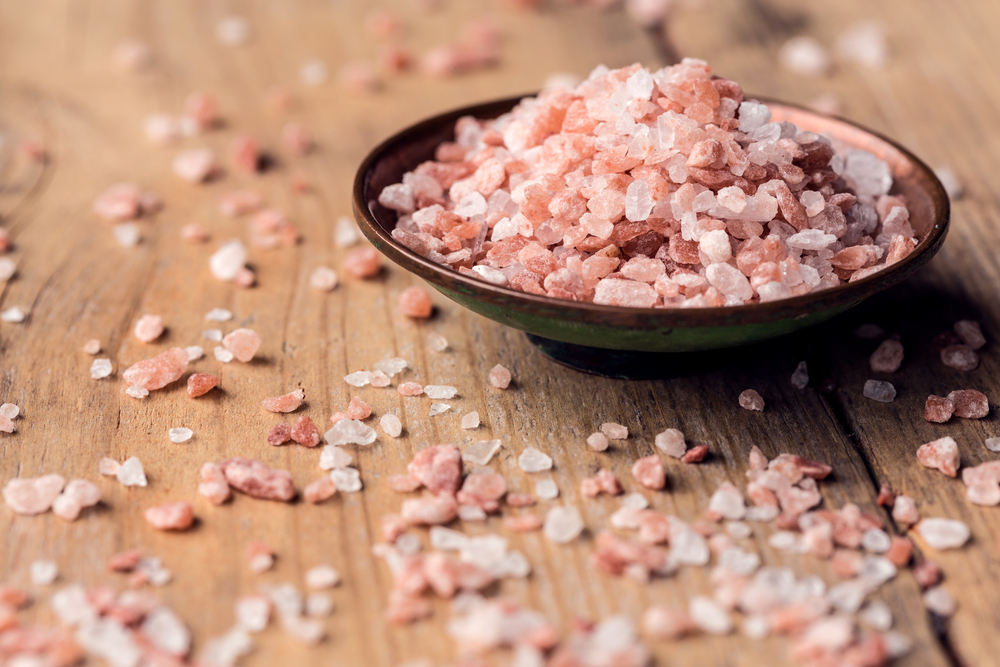
Pink Himalayan Salt vs. Regular Table Salt: What the Science Actually Says
If you’ve walked down the grocery store aisle lately, you’ve probably noticed pink salt sitting alongside regular white salt — and usually with a bigger price tag to match. The marketing is hard to ignore: natural, unrefined, packed with 84 trace minerals. It sounds like something you’d want on your food.
But is there any real difference, or is this just salt with an Instagram filter?
Where Pink Salt Comes From
Pink Himalayan salt is mined from the Khewra Salt Mine in Pakistan, one of the world’s oldest salt mines. The pink color comes from iron oxide — the same stuff that makes rust. The salt gets its name from the Himalayan region near the mine, though technically it’s from the Punjab region of Pakistan.
Regular table salt, by contrast, is refined and processed. It’s typically stripped of minerals and then fortified with iodine (which most people need but don’t get enough of). It also contains anti-caking agents to keep it free-flowing.
The 84 Minerals Claim
This is where things get interesting — and a bit misleading. Yes, pink salt does contain more minerals than regular table salt. The problem is the word more.
The amounts of these trace minerals in pink salt are so tiny that you’d need to eat about 3.7 pounds of it to get your daily recommended potassium intake. To put that in perspective: that amount of sodium would kill you long before you benefited from any trace minerals.
Both pink salt and regular table salt are approximately 98% sodium chloride. The remaining 2% is where the differences lie, and they’re negligible from a health standpoint.
What Research Shows
There are actually no published studies comparing the health effects of pink salt versus regular salt. The claims floating around — that pink salt helps with pH balance, sleep, libido, or anti-aging — simply aren’t backed by science.
Your body regulates its pH through your lungs and kidneys, not through what salt you sprinkle on your eggs. This is a long-running misconception that shows up in wellness marketing again and again.
That said, the National Center for Biotechnology Information notes that the key health consideration with any salt is sodium intake, and both types are functionally the same in that regard (source).
So Should You Buy Pink Salt?
Here’s the honest answer: if you want a minimally processed, natural seasoning that doesn’t have anti-caking agents, pink salt is a perfectly fine choice. It also tastes slightly different due to its crystal structure, which some people prefer.
But if you’re buying it because you think it’s significantly healthier than regular salt, you’re paying a premium for a myth. The 84 trace minerals claim sounds impressive but delivers nothing meaningful to your diet.
If you’re worried about getting enough minerals, there are far better sources — like actually eating vegetables and nuts. Or you could try a comprehensive greens and mineral supplement like
Bottom Line
Pink Himalayan salt is a real, natural product — just not the health miracle it’s often portrayed as. Use it if you like the taste and want something less processed. But don’t expect it to transform your health, and definitely don’t let it convince you to skip dietary sources of iodine and other essential minerals.
[asd_free_examples]