
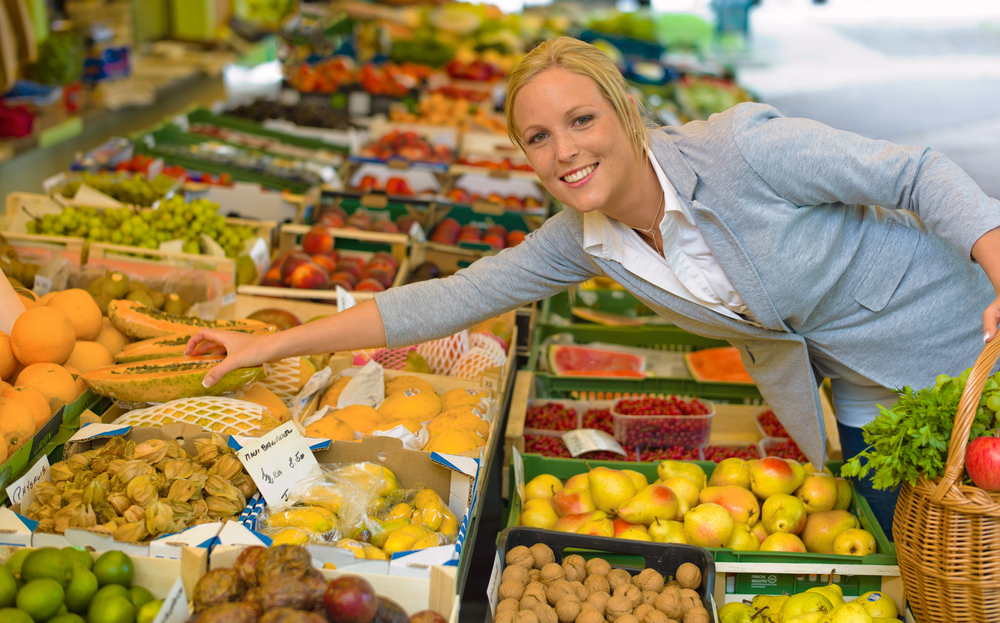
Fruits and vegetables round out a healthy diet. Fruits and vegetables are full of vitamins, minerals, and antioxidants. They may help lower blood pressure, reduce heart disease and stroke, prevent some types of cancer, lower the risk of eye and digestive problems, improve blood sugar levels, and aid in weight management. Fruits and vegetables tend to be seasonal. When a fruit or vegetable is in season they can be found easier in the grocery stores. Out of season fruit and vegetables can be more expensive and raise the risk of needing additives or fertilizers to be grown out of season.
Is there a difference between frozen fruits and vegetables and fresh?
Frozen fruits are convenient. They are usually already cleaned, peeled, and prepared for you. When fruits are picked to be frozen they are picked at their peak ripeness. Which means they are at their most nutritious. When frozen they stay at their most nutritious and only in some cases may lose a small amount of their nutritional value. Freezing fruits and vegetables allows them to last longer and not spoil as quickly. When fruits and vegetables are picked to freeze there are no chemicals added to them to stop them from spoiling. In some cases maybe only a small amount of sugar is added to them to help stop them from spoiling. Frozen can also mean more economical. They are cheaper in some instances than the fresh alternatives, they last longer, and you can access the nutrients of out of season fruits at a cost effective price.
There are some fruits that you should always look for frozen instead of fresh. They are seasonal, expensive, quick to ripen, hard to prepare, and sometimes less nutritious when purchased fresh. The first one is mango. Frozen mango is already peeled and usually sliced, and is picked at peak ripeness. This allows you to have the delicious mango flavor at its best every time, which you can’t always guarantee when buying fresh. Pineapple is another fruit to get frozen, it is peeled and cut up for your convenience. Berries are a great frozen option especially when they are out of season. Frozen berries can last for months, and you can portion out what you want to use without having berries go bad in the fridge before you can use them. Cherries are conveniently frozen, because they are already pitted. Acai is never sold fresh it is only sold frozen or in powder form. Frozen allows you to add to smoothies to make them rich and thick. Dragon fruit is another that is usually cheaper when frozen instead of fresh. It can also be difficult to find dragon fruit in stores. All of these frozen fruit options retain their nutritional value giving you good sources of vitamin C, immune boosters, and antioxidants.
Fresh fruits are best when picked straight from the farm or from your own garden. They are at their highest quality. This can be hard to get from a supermarket or grocery store. This is because fresh fruits are picked before peak ripeness allowing time for transportation and to sit on the shelf before purchase. Chemicals are used after picking fresh produce to prevent the produce from spoiling. As soon as produce passes its peak ripeness it starts to lose nutritional value. The fruits and vegetables you can find at the grocery store are usually produced in season. Fruits and vegetables that are out of season will have fertilizers and additives added to them in order to grow them out of season. Fresh produce is a great source of vitamins, minerals, and antioxidants. Many people prefer fresh produce because of the texture. Fresh produce usually retains the normal texture, where frozen produce can sometimes lose that. Fresh produce can also be easier to cook with than frozen. Frozen you sometimes have to plan ahead to thaw, or if you cook with it frozen it will take your dish longer to cook. Fresh produce does not last as long, and people sometimes feel like they are buying produce from the store and it spoils the next day.
Frozen or fresh fruits and vegetables tend to have the same amount of nutritional value. Frozen may contain more vitamin C than fresh. Frozen fruits retain their nutritional value for longer because they are picked at their peak ripeness and remain there until consumed. Having a garden or a local farm you can get fresh produce from is the best quality for fresh produce. Frozen produce seems to be the most convenient and cost effective option. Having a mix of frozen and fresh fruits and vegetables is the best way to make sure you are getting the essential vitamins and nutrients that they hold.
Sources:
https://www.webmd.com/diet/difference-between-frozen-fruit-and-fresh-fruit
https://www.healthline.com/nutrition/fresh-vs-frozen-fruit-and-vegetables
https://www.bbcgoodfood.com/health/nutrition/are-frozen-fruit-vegetables-healthy-fresh
https://www.realsimple.com/fruits-you-should-buy-frozen-not-fresh-8731384