HealthSurgeon - Healthy Living and Fitness - Purium Coupon
Primary Navigation Menu
Understanding Musculoskeletal Diseases: Causes, Symptoms, and Prevention Strategies
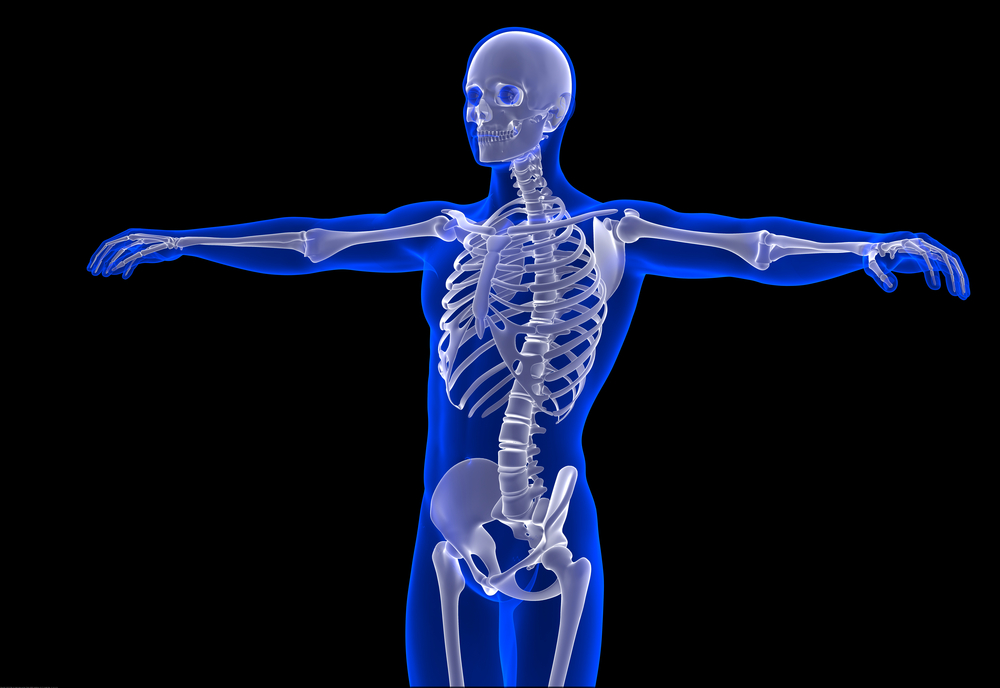
Musculoskeletal diseases affect the bones, muscles, joints, tendons, and ligaments — the very structures that support movement and stability. These conditions are among the leading causes of disability worldwide, affecting millions of people of all ages. From arthritis to osteoporosis, musculoskeletal diseases can significantly impact quality of life, mobility, and independence.
According to the World Health Organization (WHO), musculoskeletal disorders are the most common cause of severe, long-term pain and physical disability. Understanding their causes, symptoms, and preventive strategies is essential for protecting long-term health.
What Are Musculoskeletal Diseases?
Musculoskeletal diseases encompass a wide range of conditions that impair the function of the body’s structural system. They may be acute (short-term) or chronic (long-term) and can result from injury, wear and tear, infection, inflammation, or autoimmune disorders.
As we age, bones lose density, muscles weaken, and cartilage thins, making joints more prone to damage.
Overuse and Repetitive Strain
Repetitive motions in work or sports can lead to chronic injuries such as carpal tunnel syndrome or tendinitis.
Autoimmune Disorders
Conditions like rheumatoid arthritis occur when the immune system mistakenly attacks healthy tissues.
Poor Lifestyle Habits
Sedentary living, poor diet, smoking, and excessive alcohol intake can weaken muscles and bones.
Injuries and Trauma
Fractures, sprains, and dislocations can increase the risk of long-term musculoskeletal problems.
Genetic Predisposition
Family history can increase susceptibility to certain bone and joint disorders.
Symptoms to Watch For
Musculoskeletal diseases often develop gradually, but early recognition of symptoms can prevent further damage. Common signs include:
Persistent joint or muscle pain
Stiffness, especially in the morning or after inactivity
Swelling, redness, or warmth around joints
Limited range of motion
Weakness or instability in muscles and joints
Frequent bone fractures or loss of height (in osteoporosis)
If symptoms persist for more than a few weeks or worsen over time, medical evaluation is essential.
Diagnosis
Diagnosis typically begins with a physical examination and a review of medical history. Depending on the suspected condition, tests may include:
X-rays – To detect bone damage or arthritis.
MRI and CT scans – For detailed images of soft tissues, cartilage, and ligaments.
Bone density scans (DEXA) – To assess osteoporosis risk.
Blood tests – To detect inflammation, infection, or autoimmune markers.
Joint fluid analysis – To identify infections or gout crystals.
Treatment Options
Treatment depends on the specific disease, severity, and the patient’s overall health. Approaches may include:
Medications
Anti-inflammatory drugs (NSAIDs) to reduce pain and swelling.
Disease-modifying antirheumatic drugs (DMARDs) for autoimmune conditions.
Osteoporosis medications to strengthen bones.
Pain-relief medications for symptom control.
Physical Therapy
Tailored exercise programs can improve flexibility, strength, and joint function.
Lifestyle Modifications
Weight management, posture improvement, and ergonomic changes can reduce strain on joints and muscles.
Surgical Interventions
In severe cases, joint replacement, arthroscopy, or fracture repair may be necessary.
Prevention Strategies
While not all musculoskeletal diseases can be avoided, certain habits can reduce risk and improve long-term health.
Maintain an Active Lifestyle
Regular weight-bearing and resistance exercises strengthen bones and muscles. Activities like walking, swimming, and yoga can improve mobility and balance.
Eat a Nutrient-Rich Diet
Calcium-rich foods (dairy products, leafy greens, fortified foods) support bone health.
Vitamin D (from sunlight, fatty fish, or supplements) aids calcium absorption.
Proper alignment during sitting, standing, and lifting can prevent chronic pain and injuries.
Avoid Smoking and Limit Alcohol
Both habits weaken bone structure and slow tissue repair.
Protect Against Injury
Use proper equipment during sports, wear supportive footwear, and follow safe lifting techniques.
Living with a Musculoskeletal Condition
Chronic musculoskeletal diseases require ongoing management. Beyond medical treatments, support networks and lifestyle adaptations can improve daily functioning.
Join support groups for encouragement and advice.
Modify activities to reduce strain while staying active.
Work closely with healthcare providers to adjust treatments as needed.
Conclusion: Prioritizing Musculoskeletal Health
Musculoskeletal diseases can be painful, disabling, and costly, but many are preventable or manageable with early detection and healthy lifestyle habits. By staying active, eating well, maintaining a healthy weight, and avoiding harmful habits, you can protect your bones, muscles, and joints for years to come.
Taking proactive steps today not only reduces your risk of disease but also ensures you maintain mobility, independence, and a higher quality of life as you age.
This website uses cookies to improve your experience. We'll assume you're ok with this, but you can opt-out if you wish.AcceptRejectRead More
Privacy & Cookies Policy
Privacy Overview
This website uses cookies to improve your experience while you navigate through the website. Out of these cookies, the cookies that are categorized as necessary are stored on your browser as they are essential for the working of basic functionalities of the website. We also use third-party cookies that help us analyze and understand how you use this website. These cookies will be stored in your browser only with your consent. You also have the option to opt-out of these cookies. But opting out of some of these cookies may have an effect on your browsing experience.