HealthSurgeon - Healthy Living and Fitness - Purium Coupon
Primary Navigation Menu
Neuroendocrine Cancer
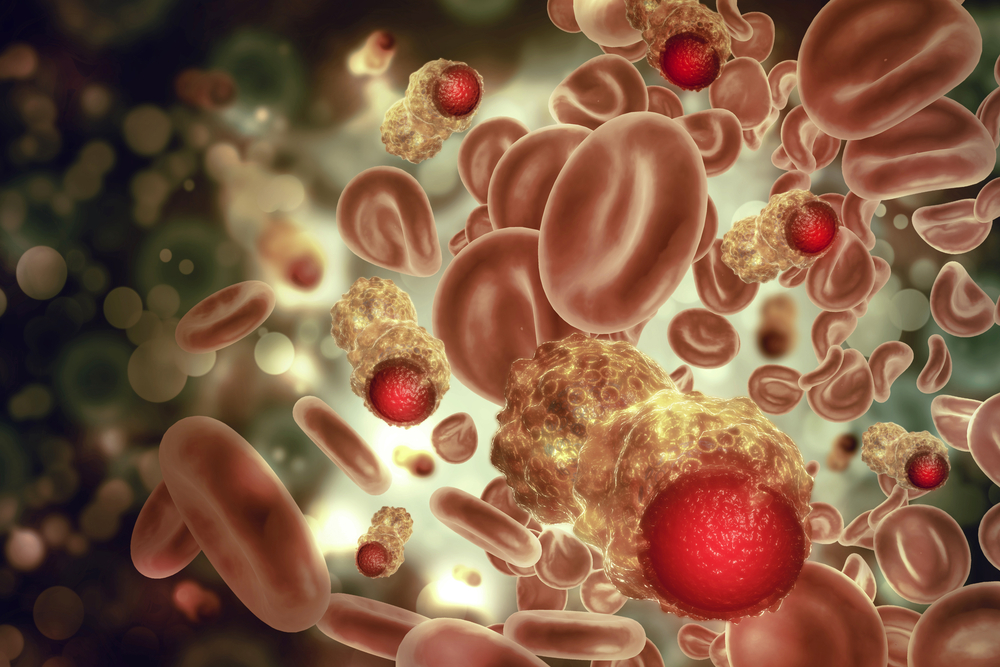
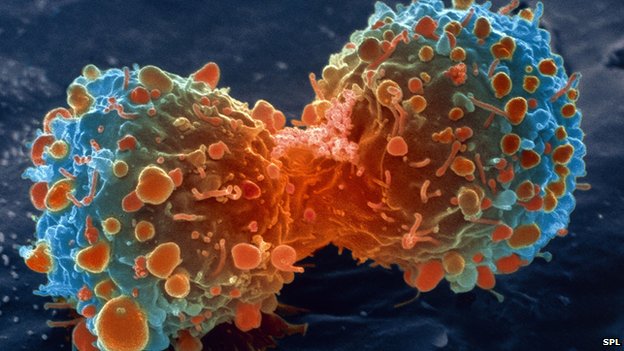
Neuroendocrine cancer, or neuroendocrine tumor, is a rare type of cancer. It can affect anyone. It is rare to see this type of cancer in children, but it can happen. Neuroendocrine tumor, NET, is more common in women. It is also more common in people between the age of 50 and 60 years old. This type of cancer originates in neuroendocrine cells. These cells multiply out of control and in return affect the organs they reside in.
Neuroendocrine cells are part of the endocrine system, which manages your hormones and nervous system. The endocrine cells help your body with growth, reproduction, and metabolism. The most common areas that are affected by neuroendocrine tumors are the lungs, appendix, small intestines, rectum, pancreas, and large intestines. The cause of this type of cancer is unknown.
Gastrointestinal tract NETs are the most common. These can occur in the large intestines, small intestines, or appendix. These used to be called carcinoid tumors. Gastrointestinal tract NETs can affect digestions and processing of waste.
The second most common type are NETs that affect the lungs. Most of the time they affect the bronchial system, which brings air to the lungs.
The last type is the pancreas. Where NETs can affect that organ.
NETs can be primary or secondary. Primary is when the tumors have not spread to any other part of the body. Secondary is when the NET has spread. Usually they spread to the lymph nodes or lymphatic system, liver, or bones.
There are grades as well. NETs are graded by how quickly the cells divide, and if there are more healthy cells than cancerous cells.
Grade 1, the tumors are dividing at a low rate and are slow growing.
Grade 2, the tumors are dividing and spreading at an intermediate rate.
Grade 3, the tumors are growing and dividing at a fast rate.
Symptoms
The trouble with neuroendocrine tumors is they can be slow growing. You may have hormonal symptoms that progressively get worse. They can sometimes progress so slowly it can take years before you get a diagnosis. Some types of NETs don’t cause symptoms. If you have the NETs that produce too many hormones is usually when you get symptoms.
General symptoms you may experience are pain, a growing lump under the skin, feeling unusually tired, and losing weight without trying too. Excess hormones can cause symptoms such as skin flushing, diarrhea, frequent urination, increased thirst, dizziness, shakiness, skin rash, jaundice, edema, wheezing, or shortness of breath. Where the tumor is located will determine what kinds of symptoms you may experience.
Diagnosis
Neuroendocrine tumors are hard to diagnose. Some of the symptoms mirror other conditions that aren’t cancer. Especially if you have slow growing tumors, it could take years to get the correct diagnosis. When seeing a doctor they will most likely start with a physical exam. After that there are a number of tests your doctor may want to do. One is a biopsy. A biopsy can help your doctor examine cells, fluids, tissues, or growths. A core needle biopsy may be done to help extract fluid and tissue from lumps. A urinalysis can be done to check for different things, like infections. Biochemical tests along with urinalysis can check the amount of enzymes or proteins in blood or urine. Different scans may be helpful for your doctor to do as well. CT scans can show your doctor images of soft tissues and bones. An MRI can show images of organs. A PET scan can help detect signs of cancer.
Treatment is dependent on the type, location, and symptoms of the NET. Surgery is usually the first option if possible. Sometimes tumors are not able to operate on, so your doctor will try and do other treatments. Surgery may even be suggested if the tumor is large, but your doctor doesn’t think it can get all of it. Chemotherapy can be used along with other treatment options. Chemotherapy is when drugs are used to kill tumor cells. This can be used along with surgery, or used if surgery isn’t an option. Targeted drug therapy causes tumor cells to die. Targeted drug therapy uses drugs to block the abnormalities in the tumor cells. This can be used along with chemotherapy. Peptide receptor radionuclide therapy are drugs that target cells with radioactive substances. This helps get radiation directly to the cancer cells. Medications that help control excess hormones can help control symptoms when the NETs cause excess hormones. Radiation therapy is when a powerful energy beam is used to kill cancer cells. Some types of cancer may not respond to radiation therapy. Radiation therapy is usually suggested when surgery is not an option.
NET can be slow growing. About 77% of cases after diagnosis are still alive after 5 years. Having NET can be like living with a chronic condition. Prognosis depends on the type of NET, how fast it is spreading, and where the tumor is located.
Neuroendocrine tumors are a rare cancer that can start out as hormonal symptoms! #HealthSurgeon
This website uses cookies to improve your experience. We'll assume you're ok with this, but you can opt-out if you wish.AcceptRejectRead More
Privacy & Cookies Policy
Privacy Overview
This website uses cookies to improve your experience while you navigate through the website. Out of these cookies, the cookies that are categorized as necessary are stored on your browser as they are essential for the working of basic functionalities of the website. We also use third-party cookies that help us analyze and understand how you use this website. These cookies will be stored in your browser only with your consent. You also have the option to opt-out of these cookies. But opting out of some of these cookies may have an effect on your browsing experience.