HealthSurgeon - Healthy Living and Fitness - Purium Coupon
Primary Navigation Menu
Asthma A Common Chronic Illness In Children
Asthma is a chronic condition. Asthma is an inflammatory lung condition that causes your airways to become inflamed and narrow. This can lead to difficulty breathing as well as other respiratory symptoms. Asthma is one of the most common chronic illnesses in children. There is no cure for childhood asthma, though symptoms can be managed. Symptoms will most likely continue into adulthood, but about half of the children with asthma have less symptoms by their adolescent years. In some cases symptoms can come back as the child grows into adulthood. Eight percent of children who have asthma will develop signs or symptoms by the age of 5.
The cause of asthma is sometimes unknown. Children have a greater risk of developing asthma if they have a family history, allergies, eczema, were premature at birth, had a viral infection when the baby was less than six months old, or had a mother who smoked during pregnancy.
Symptoms
Symptoms can vary per child with asthma. Your child may only show one sign of asthma at first. It can take some time to realize your child’s symptoms are actually asthma and not just cold symptoms. Symptoms can get worse or better over time. Symptoms left untreated can lead to permanent lung damage.
The main symptoms your child may experience from asthma are whistling or wheezing as they breathe out, shortness of breath, chest congestion, chest tightness, or coughing that gets worse with a viral infection, during sleep, exercise, or in the cold air. Other symptoms that can stem from asthma are trouble sleeping, bouts of coughing, delayed recovery from a respiratory infection, trouble breathing, and fatigue.
Severe asthma attacks need emergency response. If your child starts to show any of these signs you will want to take them to an emergency room as soon as possible. Symptoms of a severe asthma attack are severe coughing, rapid and worsening shortness of breath, serious breathing problems, increased respiratory rate, turning pale, lips turning blue or trouble speaking.
Diagnoses
Diagnosing asthma can be hard in children. Children cannot always do the tests that are used for diagnosing asthma in adults. Your pediatrician will probably start with a physical exam and get a family history from you. It will be important for you to be able to describe your child’s symptoms and when they occur to your doctor. Asthma symptoms aren’t always happening in some children, so when your doctor is checking your child out there may be no symptoms present. This is why it is important for you to know when your child is having symptoms.
There are some tests your doctor may suggest. A lung function test. This test measures the amount of air your child can breathe in and exhale out and how quickly. Some children depending on their age cannot complete this test successfully to get an accurate reading. An allergy skin prick test may be suggested. This can help identify any allergens that may be triggering a reaction from the immune system. A chest X-ray may be done to rule out other conditions other than asthma.
Treatment Options
Once your child is diagnosed with asthma, your doctor and you will come up with your child’s Asthma Action Plan. This is a plan to help manage symptoms and prevent asthma attacks from happening. The plan will have when and how to use your child’s asthma medications, what to do if the asthma gets worse, and when to seek emergency care.
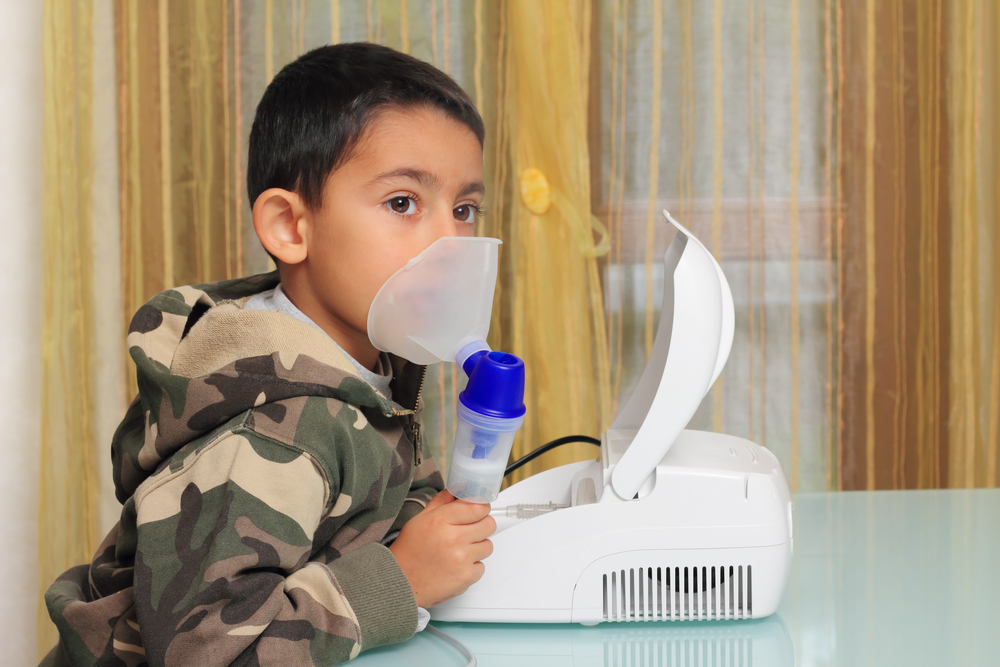
Asthma is usually managed with medications. Usually given in an inhaler form. For children a nebulizer may be the best way of delivering their medication. It is a device that takes a liquid medication and turns it into a warm mist to be inhaled. Medication dosages can vary. In some cases your child may have to take medication daily, or in other causes medications will be as needed and not daily. Quick-relief medications are used if symptoms only occur when doing something, like physical activity. Quick-relief medications are usually in inhaler form, your child will need to have this with them at all times. An example of a quick-relief medication is albuterol. Fast acting to help control symptoms as they happen. Not a long term medication. If your child attends school or is cared for by someone else you will need to make sure everyone who cares for your child knows the Asthma Action Plan.
You will know your child’s asthma is well managed by a few different things. If they are able to live an active lifestyle. If they have a few troublesome symptoms. If they no longer miss school because of symptoms. If they can perform daily activities with no trouble. If they no longer have any urgent medical visits. If there are few or no side effects from the medications.
Takeaway
Asthma is one of the most common chronic illnesses in children. It can be hard to distinguish if your child has symptoms of asthma or symptoms from something else. Your child will most likely show signs and symptoms of asthma before the age of 5. Diagnosing may take some time. Following your child’s Asthma Action Plan can help manage symptoms, prevent asthma attacks, and stop long term damage from happening.
This website uses cookies to improve your experience. We'll assume you're ok with this, but you can opt-out if you wish.AcceptRejectRead More
Privacy & Cookies Policy
Privacy Overview
This website uses cookies to improve your experience while you navigate through the website. Out of these cookies, the cookies that are categorized as necessary are stored on your browser as they are essential for the working of basic functionalities of the website. We also use third-party cookies that help us analyze and understand how you use this website. These cookies will be stored in your browser only with your consent. You also have the option to opt-out of these cookies. But opting out of some of these cookies may have an effect on your browsing experience.