HealthSurgeon - Healthy Living and Fitness - Purium Coupon
Primary Navigation Menu
Is Walking Enough Exercise to Stay Fit?
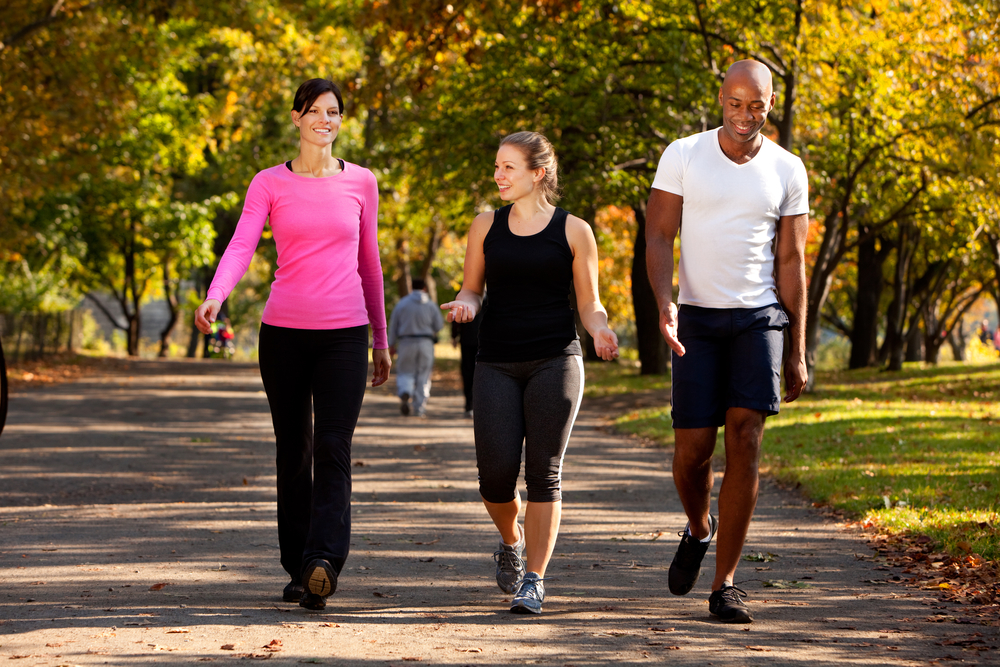
Walking is one of the most accessible forms of exercise, requiring no equipment and minimal planning. But is walking alone enough to maintain overall fitness? The answer depends on several factors, including individual fitness goals, intensity, duration, and how walking compares to other forms of exercise. This article explores whether walking is sufficient for staying fit, its benefits, limitations, and how to maximize its effectiveness.
Walking is a great way to improve heart health. Engaging in brisk walking can help lower blood pressure, reduce cholesterol levels, and improve circulation. According to the American Heart Association, regular walking can significantly lower the risk of heart disease and stroke.
Weight Management
Walking burns calories, which can help with weight maintenance and fat loss. The number of calories burned depends on weight, walking speed, and duration. For instance, a person weighing 155 pounds burns approximately 149 calories per 30 minutes of walking at a moderate pace of 3.5 mph. Increasing speed and walking uphill can enhance calorie burn.
Joint Health and Low-Impact Exercise
Unlike high-impact activities like running or jumping, walking is gentle on the joints. This makes it an excellent option for people with arthritis or those recovering from injuries. It also helps maintain joint flexibility and mobility over time.
Mental Health Benefits
Walking has been shown to reduce stress, anxiety, and symptoms of depression. A daily walk, especially in nature, can boost mood by increasing endorphin levels and improving overall mental well-being.
Improved Muscle Endurance
Walking strengthens muscles, particularly in the legs and core. While it may not significantly increase muscle size, it helps improve endurance, posture, and overall stability.
Increased Longevity
Studies suggest that regular walkers tend to live longer than those who are sedentary. Walking just 30 minutes a day can significantly reduce the risk of chronic diseases such as diabetes, obesity, and cardiovascular issues.
Limitations of Walking as the Sole Form of Exercise
While walking provides several health benefits, it has limitations, especially for those aiming for advanced fitness levels or specific goals like muscle building or intense calorie burn.
Limited Strength and Muscle Gains
Walking primarily engages the lower body but does not provide enough resistance to significantly build muscle mass. Strength training is essential for increasing muscle tone and overall strength.
Lower Calorie Burn Compared to Other Exercises
Although walking burns calories, it is not as effective for rapid weight loss as higher-intensity exercises like running, cycling, or HIIT (High-Intensity Interval Training). Walking may need to be combined with other exercises for those aiming for more significant fat loss.
Lack of Upper Body Engagement
Walking primarily targets the lower body muscles, such as the calves, quadriceps, and hamstrings. To achieve full-body fitness, incorporating exercises that engage the upper body, such as weightlifting or yoga, is beneficial.
Limited Impact on Bone Density
Weight-bearing exercises like strength training and running promote greater bone density, reducing the risk of osteoporosis. While walking provides some benefits, it may not be sufficient alone for maintaining optimal bone health.
How to Make Walking More Effective
If walking is your primary form of exercise, there are ways to enhance its effectiveness and ensure it meets your fitness goals.
Increase Intensity
Walking at a brisk pace (3.5–4.5 mph) rather than a leisurely stroll will elevate your heart rate and improve cardiovascular benefits. Power walking, which involves exaggerated arm movements and a faster pace, can further enhance fitness levels.
Add Intervals
Incorporating intervals of faster walking or short bursts of jogging can increase calorie burn and cardiovascular benefits. Try alternating 2 minutes of brisk walking with 1 minute of fast-paced walking or jogging.
Walk Uphill or Use Resistance
Walking uphill or on an inclined treadmill engages more muscles, increases intensity, and burns more calories. Carrying light weights or using resistance bands while walking can also enhance muscle engagement.
Increase Walking Duration
While short walks are beneficial, increasing walking time to at least 45–60 minutes on most days of the week can significantly boost health benefits.
Incorporate Strength Training
To balance the limitations of walking, add two to three days of strength training exercises to your routine. Bodyweight exercises like squats, lunges, and push-ups can complement walking and provide overall strength benefits.
Engage Your Core and Upper Body
Using Nordic walking poles or actively engaging your core and arms while walking can provide a more comprehensive workout.
Who Can Benefit Most from Walking Alone?
Walking can be sufficient for certain individuals, particularly those who:
Are beginners or returning to exercise after a long break
Have joint issues or injuries that prevent high-impact activities
Want a sustainable and low-stress form of physical activity
Walking is an excellent form of exercise that offers numerous health benefits, including improved cardiovascular health, weight management, and mental well-being. However, for a well-rounded fitness routine, it should be combined with strength training and other forms of movement that engage the entire body.
If your goal is general health and mobility, walking alone can be a great option. However, if you aim for weight loss, muscle building, or higher fitness levels, incorporating additional exercise types such as resistance training, flexibility exercises, and high-intensity workouts will help you achieve optimal results.
Ultimately, the best exercise routine is one that you enjoy and can sustain long-term. Whether walking is your primary activity or part of a broader fitness plan, staying consistent and challenging yourself will keep you fit and healthy.
This website uses cookies to improve your experience. We'll assume you're ok with this, but you can opt-out if you wish.AcceptRejectRead More
Privacy & Cookies Policy
Privacy Overview
This website uses cookies to improve your experience while you navigate through the website. Out of these cookies, the cookies that are categorized as necessary are stored on your browser as they are essential for the working of basic functionalities of the website. We also use third-party cookies that help us analyze and understand how you use this website. These cookies will be stored in your browser only with your consent. You also have the option to opt-out of these cookies. But opting out of some of these cookies may have an effect on your browsing experience.