HealthSurgeon - Healthy Living and Fitness - Purium Coupon
Primary Navigation Menu
What is Hypothyroidism and Thyroxine? Hypothyroidism Symptoms and Causes
“`html
Understanding Hypothyroidism
Understanding Hypothyroidism: Symptoms, Causes, and Treatment
Hypothyroidism, a condition where the thyroid gland doesn’t produce enough thyroid hormone, affects approximately 7% of the population. While more prevalent in women, men can also develop it. Studies suggest that roughly 1 in 50 women experience hypothyroidism, compared to about 1 in 1000 men.
What is Thyroxine and Hypothyroidism?
Thyroxine
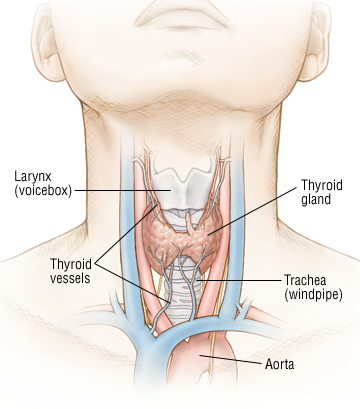
Thyroxine (T4) is a crucial hormone produced by the thyroid gland, located in the neck. It plays a vital role in regulating the body’s metabolism, traveling throughout the bloodstream to influence various bodily functions.
Hypothyroidism
Hypothyroidism occurs when the body has insufficient levels of thyroxine. This deficiency can lead to a range of symptoms, including weight gain, constipation, fatigue, and aches. The standard treatment involves medication to supplement the body’s thyroxine levels.
Common and Less Common Symptoms of Hypothyroidism
When thyroxine levels are low, the body’s metabolism slows down, resulting in various symptoms:
Common Symptoms:
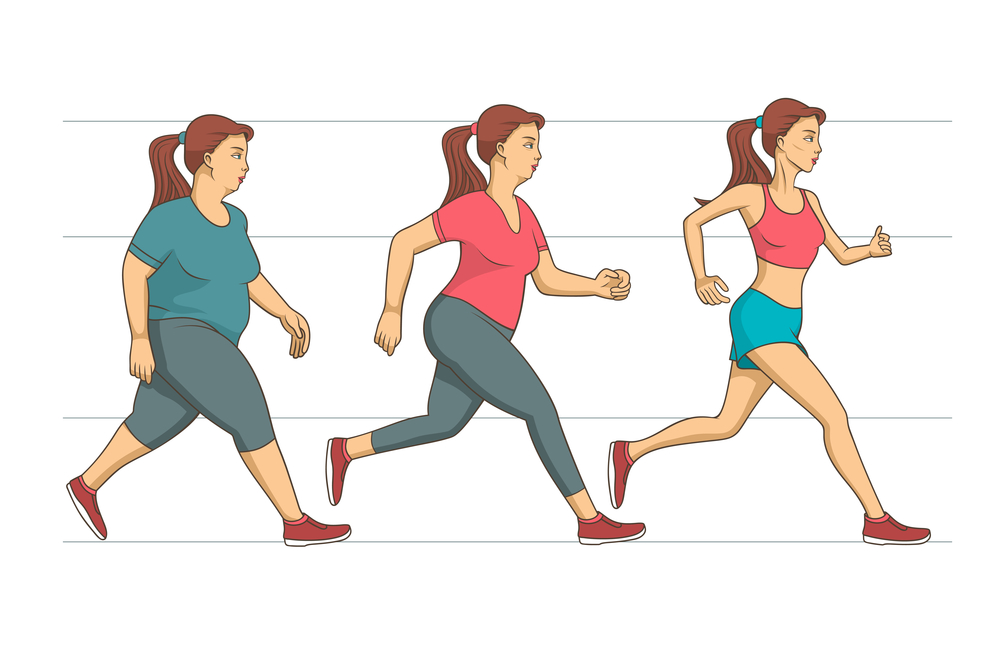
Weight gain
Constipation
Aches and pains
Feeling cold
Eczema or dry skin
Hair loss
Depression
Less Common Symptoms:
Infertility
Loss of libido
Numbness or tingling
Memory loss
Irregular menstrual periods (in women)
If you experience any of these symptoms, it is crucial to consult your doctor and undergo a blood test to check your thyroid hormone levels.
Consequences of Untreated Hypothyroidism
Leaving hypothyroidism untreated can lead to serious long-term health complications. It increases the risk of:
Heart attack or other heart-related diseases
Elevated cholesterol levels
In rare cases, coma
Early diagnosis and treatment offer an excellent chance of managing and recovering from hypothyroidism. Therefore, seeking medical attention is highly recommended.
What Causes Hypothyroidism?
While various factors can contribute to hypothyroidism, the most common cause is an autoimmune disease. In such cases, the immune system mistakenly attacks the thyroid gland, producing antibodies that damage it. The exact reason for this autoimmune response remains unclear.
Other common causes of Hypothyroidism include:
Family history of thyroid disorders
Down Syndrome
Type 1 Diabetes
Managing Hypothyroidism at Home
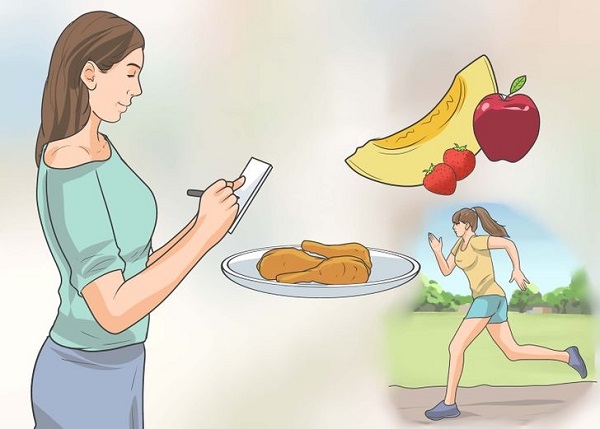
While medication is typically required to treat hypothyroidism, lifestyle adjustments can play a supportive role. Since hypothyroidism slows down metabolism, adopting a healthy diet and engaging in regular exercise can be beneficial.
Consider these tips:
A balanced diet rich in fruits, vegetables, and lean protein can help support overall health.
Regular physical activity helps boost metabolism.
Disclaimer: This article provides general information and should not be considered medical advice. Always consult with a qualified healthcare professional for diagnosis and treatment of any medical condition.
This website uses cookies to improve your experience. We'll assume you're ok with this, but you can opt-out if you wish.AcceptRejectRead More
Privacy & Cookies Policy
Privacy Overview
This website uses cookies to improve your experience while you navigate through the website. Out of these cookies, the cookies that are categorized as necessary are stored on your browser as they are essential for the working of basic functionalities of the website. We also use third-party cookies that help us analyze and understand how you use this website. These cookies will be stored in your browser only with your consent. You also have the option to opt-out of these cookies. But opting out of some of these cookies may have an effect on your browsing experience.