HealthSurgeon - Healthy Living and Fitness - Purium Coupon
Primary Navigation Menu
Can Nutrition Support Schizophrenia Management? What Science Actually Says
Can Nutrition Support Schizophrenia Management? What Science Actually Says
Schizophrenia is a serious mental health condition that affects approximately 1 in 100 people worldwide. If you or someone you love lives with schizophrenia, you’re likely looking for every possible tool that might support the treatment plan your healthcare team has put together.
Let’s be clear about something important right from the start: schizophrenia is a complex neurological condition that requires professional medical treatment. Antipsychotic medications like olanzapine, quetiapine, risperidone, and aripiprazole are the cornerstone of management. No food or supplement can replace these treatments.
But could something as simple as flax seed play a supportive role in overall brain health alongside your prescribed treatment plan? That’s an interesting question worth exploring with actual scientific evidence behind it.
The Flax Seed Connection to Brain Health
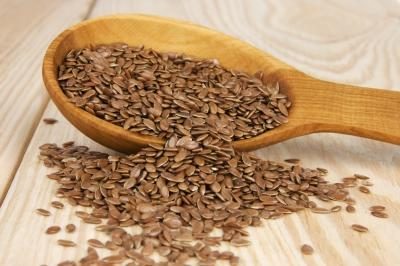
Flax seeds are packed with alpha-linolenic acid (ALA), a type of omega-3 fatty acid. The relationship between omega-3s and brain health has been studied extensively, though much of the research has focused on EPA and DHA omega-3s found in fish oil rather than ALA specifically.
What does the research actually tell us? According to the National Institute of Mental Health, while research into nutritional approaches for schizophrenia is ongoing, nutrition is best understood as a supportive element of overall health management rather than a standalone treatment. The evidence suggests that a nutritious diet may complement conventional treatment — but it doesn’t replace it.
A Harvard Nutrition Source article notes that dietary patterns emphasizing whole foods, healthy fats, and adequate nutrition are associated with better overall health outcomes. The connection between diet and mental health is an active area of research, but conclusions remain preliminary.
What This Means in Practice
If you’re curious about incorporating flax seed into your diet, here’s what’s reasonable: 1-2 tablespoons of ground flax seed daily as part of a balanced diet. You can add it to smoothies, yogurt, oatmeal, or baked goods. It’s a nutritious addition to any meal plan — just not a treatment for schizophrenia.
For brain health specifically, some people find supplementing with essential nutrients helpful. Products like the AAD Essential Mushroom Blend support general cognitive wellness as part of a comprehensive approach to health.
What the Evidence Actually Shows
Several points are worth keeping in mind:
Omega-3 fatty acids from fish have shown more promising results in mental health research than ALA from flax seed.
The studies on nutrition and schizophrenia are limited and mostly explore diet as a complementary approach, not a primary treatment.
No single food or supplement has been shown to treat schizophrenia on its own.
Medication adherence, therapy, and professional care remain the most important factors in managing the condition.
Broadening the Nutritional Picture
While flax seed has its place in a healthy diet, overall nutrition matters far more than any single food. A diet rich in fruits, vegetables, whole grains, and quality proteins provides the nutrients your brain needs to function well.
For those looking to fill nutritional gaps in their daily diet, something like the AAD More Greens supplement can help ensure you’re getting a broad spectrum of micronutrients that support everything from immune function to cognitive health.
The Bottom Line
If you live with schizophrenia or care for someone who does, the most important things you can do are: take prescribed medications as directed, keep regular appointments with your healthcare team, and maintain a healthy lifestyle that includes good nutrition, exercise, and quality sleep.
Flax seed? It’s a healthy food. But it’s not a treatment. The idea that any single food can “treat” schizophrenia is not supported by evidence and could be dangerously misleading.
Nutrition is a piece of the puzzle — an important one, but just one piece. Professional medical care, medication when needed, and a comprehensive approach to health are what make the real difference.
Always discuss any dietary changes or supplements with your healthcare provider, especially if you’re managing a serious condition like schizophrenia. They can help you make informed decisions that work alongside your treatment plan.
This website uses cookies to improve your experience. We'll assume you're ok with this, but you can opt-out if you wish.AcceptRejectRead More
Privacy & Cookies Policy
Privacy Overview
This website uses cookies to improve your experience while you navigate through the website. Out of these cookies, the cookies that are categorized as necessary are stored on your browser as they are essential for the working of basic functionalities of the website. We also use third-party cookies that help us analyze and understand how you use this website. These cookies will be stored in your browser only with your consent. You also have the option to opt-out of these cookies. But opting out of some of these cookies may have an effect on your browsing experience.