HealthSurgeon - Healthy Living and Fitness - Purium Coupon
Primary Navigation Menu
Cancer is Pure Strike of Bad Luck Studies Suggest
Understanding Cancer Risk: The Role of Random Mutations
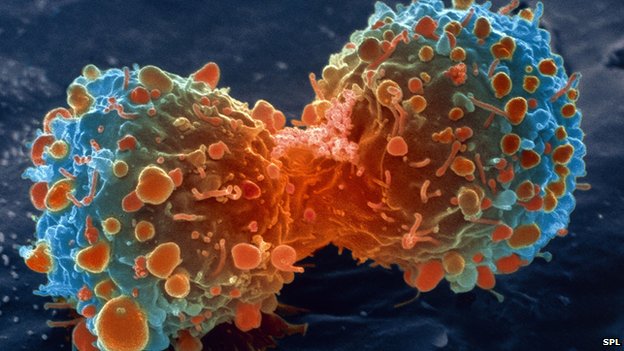
Recent research has challenged conventional wisdom about cancer development, revealing that random DNA mutations play a far larger role than previously understood. While lifestyle factors like diet and smoking do matter, studies suggest that approximately two-thirds of cancer cases may be attributed to unavoidable random mutations during normal cell division.
This groundbreaking study examined tissue samples across multiple cancer types and found that the number of stem cell divisions in a given tissue strongly correlates with cancer risk in that tissue. The findings don’t diminish the importance of healthy lifestyle choices, but they do provide context for why some people develop cancer despite doing everything “right.”
What the Research Shows
The study analyzed cancer incidence rates across different tissue types in the United States. Results showed that 6.9% of people will develop lung cancer during their lifetime, 0.6% will develop brain cancer, and a small fraction (0.00072%) will develop tumors in their laryngeal cartilage. Smoking cessation remains critical for lung cancer prevention, as tobacco toxins directly damage DNA.
However, the research revealed that many cancer types—including brain, pancreatic, and bone cancers—occur primarily due to random errors when DNA copies itself during normal cell division. These “bad luck” mutations accumulate over time regardless of environmental exposures or dietary habits.
The One-Third You Can Control
While two-thirds of cancer risk may be unavoidable, the remaining third is still significantly influenced by modifiable factors. Obesity, tobacco use, excessive alcohol consumption, and poor nutrition all increase cancer risk. A nutrient-dense diet rich in antioxidants and phytonutrients supports cellular health and DNA repair mechanisms.
Maintaining a healthy body weight, staying physically active, and consuming plenty of vegetables and fruits can reduce inflammation and oxidative stress—two key drivers of cancer development. Even though we can’t eliminate all risk, optimizing these controllable factors provides meaningful protection.
Practical Steps for Cancer Prevention
Understanding the role of random mutations shouldn’t lead to fatalism. Instead, focus on what you can control: avoid tobacco, limit alcohol, maintain a healthy weight through regular exercise, and eat a balanced diet rich in whole foods. These strategies not only reduce your one-third of controllable cancer risk but also protect against heart disease, diabetes, and other chronic conditions.
Regular cancer screenings remain essential for early detection, when treatment is most effective. Discuss appropriate screening schedules with your healthcare provider based on your age, family history, and individual risk factors.
This website uses cookies to improve your experience. We'll assume you're ok with this, but you can opt-out if you wish.AcceptRejectRead More
Privacy & Cookies Policy
Privacy Overview
This website uses cookies to improve your experience while you navigate through the website. Out of these cookies, the cookies that are categorized as necessary are stored on your browser as they are essential for the working of basic functionalities of the website. We also use third-party cookies that help us analyze and understand how you use this website. These cookies will be stored in your browser only with your consent. You also have the option to opt-out of these cookies. But opting out of some of these cookies may have an effect on your browsing experience.